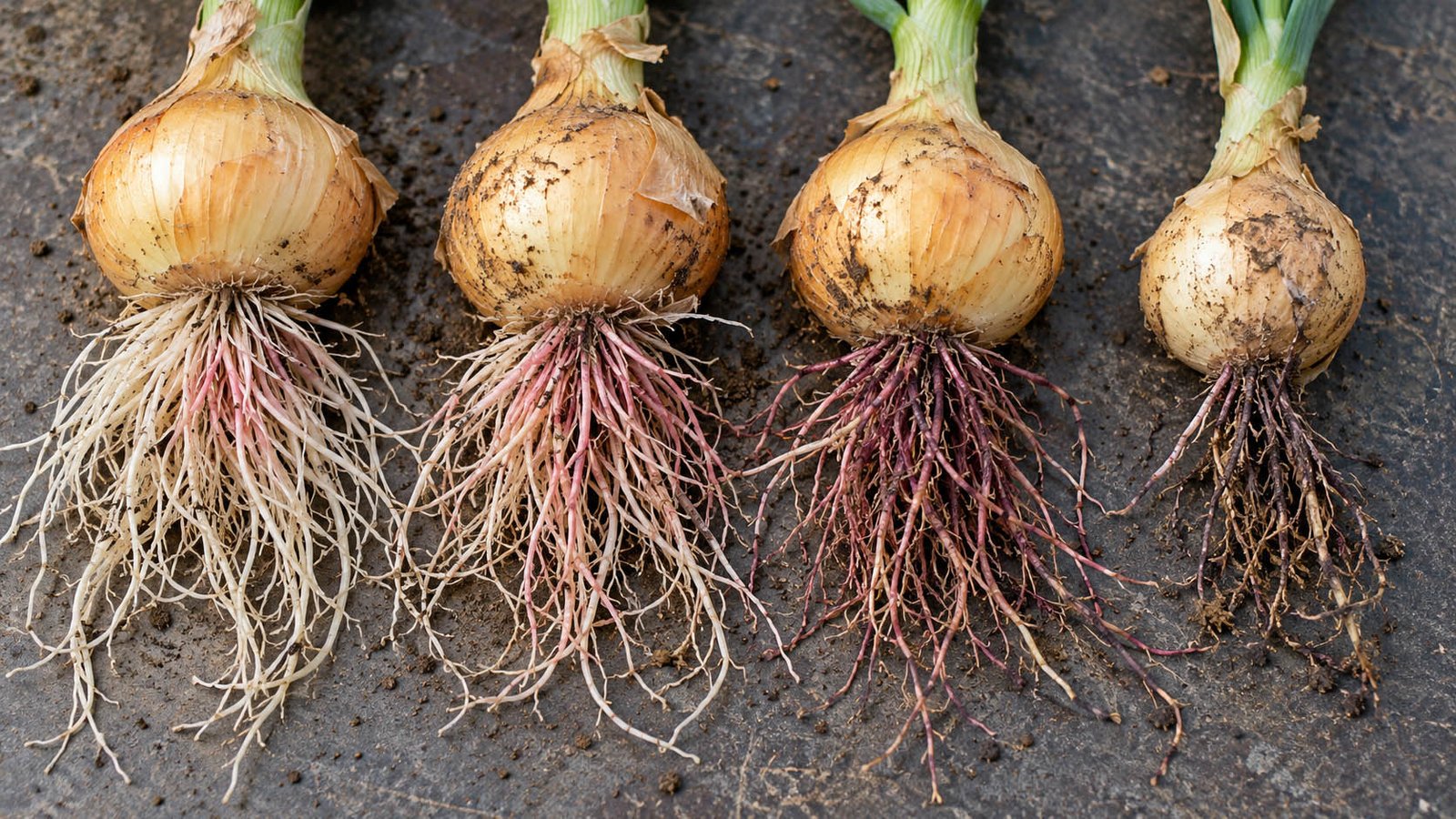
Finding pink roots on an onion crop is frustrating, especially when you have already invested in a long rotation and careful crop management. The practical concern is the crop above them: uneven growth, disappointing bulb size and the time spent getting onions to harvest.
A useful starting point is to look at the whole growing system, including previous crops, establishment, irrigation and soil condition. Conversations with one UK vegetable grower during the 2026 season show how closely these decisions are connected.
Understanding the problem below ground
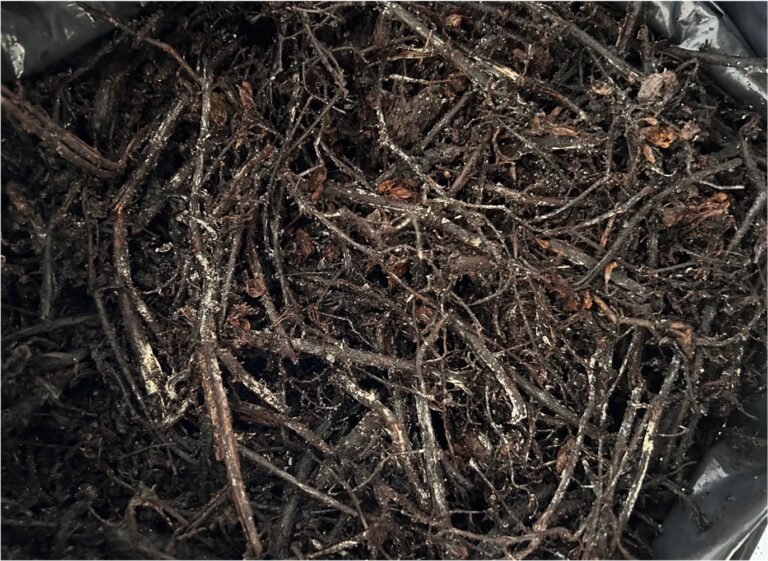
Pink root is associated with the soilborne fungus Setophoma terrestris, also known as Phoma terrestris. Affected roots develop pink to purple discolouration and they can shrivel and die. Newly formed roots may also become affected, limiting bulb development. The pathogen can survive for years in soil and can persist in plant debris. [1]
Warm soil favours disease development. Drought can add a separate source of stress, so a struggling root system does not tell the whole story by itself. Some other fungi can also cause pink discolouration; uncertain symptoms deserve a proper diagnosis. [2]
Why the crops between onion crops matter
The grower who contacted us in June was already working with an eight-year rotation. His concern was that sweetcorn, another crop in his system, could host the pink-root pathogen even when onions were absent.
That concern has an agronomic basis. University of California guidance identifies sweetcorn and some cereals as crops that can increase pink-root risk for following onions. A long gap between onion crops is therefore only part of the picture; the host status of the intervening crops matters too. [2]
Cover crops also need to suit the rotation. AHDB notes that some can maintain pathogens between cash crops. Check the proposed species against the particular problem in your field rather than assuming that every cover crop provides a disease break. [4]
Practical priorities for onion growers
Before changing an input programme, review the conditions your onions are growing in:
- Confirm the diagnosis. Check roots on actively growing plants and seek specialist advice if the symptoms are uncertain. Keep photographs and record which beds or parts of the field are affected. [2]
- Review establishment and irrigation. Consider planting date, soil condition and whether water is reaching the rooting area consistently. Adequate nutrition and irrigation remain central to crop growth. [1]
- Discuss variety choice. Pink-root resistance is available in some onions, but suitability depends on the variety, local conditions and market requirements. [1], [2]
- Limit movement of affected soil. Clean soil from tools and machinery before moving between growing areas; the pathogen can spread with contaminated soil and water. [2]
These checks help identify what needs attention now and what can be changed before the next onion crop.
Lessons from a demanding growing season
Our grower raises his alliums in modules and soil blocks. During the onion season he made two applications of BactoSoil Balance. His September and October emails also described late planting, hot and dry conditions, and substantial irrigation – a combination he considered particularly favourable to fungal growth in the soil.
Those details matter when interpreting a season. Planting date, weather and field history can all complicate a simple comparison with previous years. His correspondence is a useful account of practical growing conditions, but it does not provide a controlled comparison that establishes a product effect.
For the following season, he planned to explore earlier applications around the plug stage. After harvesting the onions, he also reported applying BactoSoil Balance before broadcasting buckwheat and lightly cultivating. This describes his approach; it is not a standard programme for every farm. Application choices should follow current product instructions and advice for the particular crop and growing system.
The role of BactoSoil Balance in soil management
BactoSoil Balance is a microbial soil product containing Bacillus subtilis and Bacillus amyloliquefaciens. Its intended role is to support microbial activity in the soil and around the root zone, including processes involved in nutrient cycling. It is not a fungicide or a treatment for pink root. [5]
Soil biology is relevant to growers because microorganisms help process organic matter and recycle nutrients. AHDB places organic inputs, rotational diversity and appropriate cultivation among the practical foundations of soil biological health. A microbial input should be considered alongside those foundations. [3]
For a grower considering BactoSoil Balance, the useful conversation is about the soil, crop establishment and how an application would fit existing operations. Share your soil type, irrigation arrangements and whether you raise transplants or sow directly. Follow the current label, avoid mixing with bactericidal products and confirm compatibility with other inputs before use. [5]
If you evaluate a microbial input on your holding, keep clear records. Comparable areas receiving the same management, with and without the additional input, can help you assess establishment, root development and marketable yield. Avoid drawing firm conclusions from a few selected plants or a comparison with a very different season.
After harvest and the role of BactoRol Plus
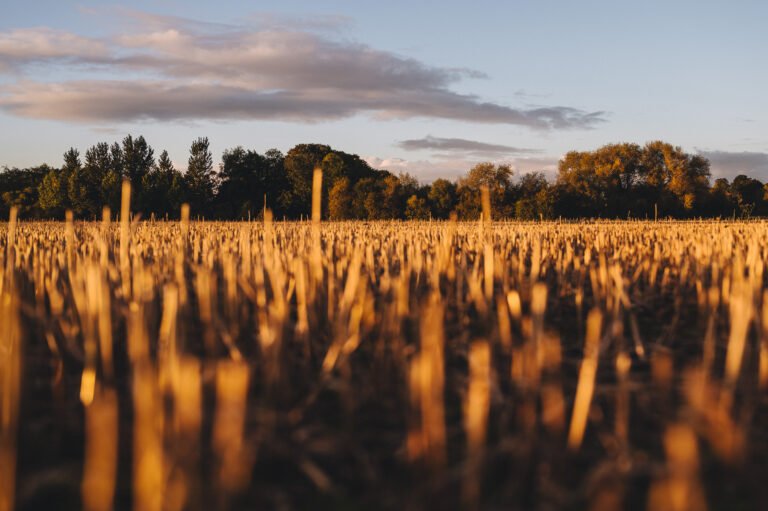
The same grower also asked about sweetcorn residues. His plan was to flail-mow the stalks before drilling broad beans into the stubble. This raised a separate soil-management question: how to handle the material left behind and return it to the soil nutrient cycle.
Crop residues are a source of organic matter for soil organisms, and decomposition helps recycle the nutrients they contain. Residues can also carry some crop pathogens. For pink root specifically, however, the fungus can persist in the soil as well as plant debris, so residue breakdown cannot be taken to mean that the pathogen has been removed. [1], [3]
BactoRol Plus is formulated to accelerate the decomposition of organic materials such as crop residues and cover-crop biomass. That is its role in a post-harvest discussion: residue breakdown and nutrient recycling. We have not established that it reduces pink-root pressure, and we do not recommend it as a disease-control treatment. [6]
If you would like to discuss microbial soil management for your onions, contact BactoTech UK with your crop sequence, soil conditions and planting plans. We can help you consider where BactoSoil Balance or BactoRol Plus may fit your soil-management objectives. Questions about diagnosing and controlling pink root should form part of a separate discussion with your crop adviser.
[1] Pacific Northwest Pest Management Handbooks. Onion pink root
[2] University of California IPM. Pink root in onion and garlic
[3] AHDB. Principles to improve soil health – Biological
[4] AHDB. Cover crops for integrated weed, pest and disease management