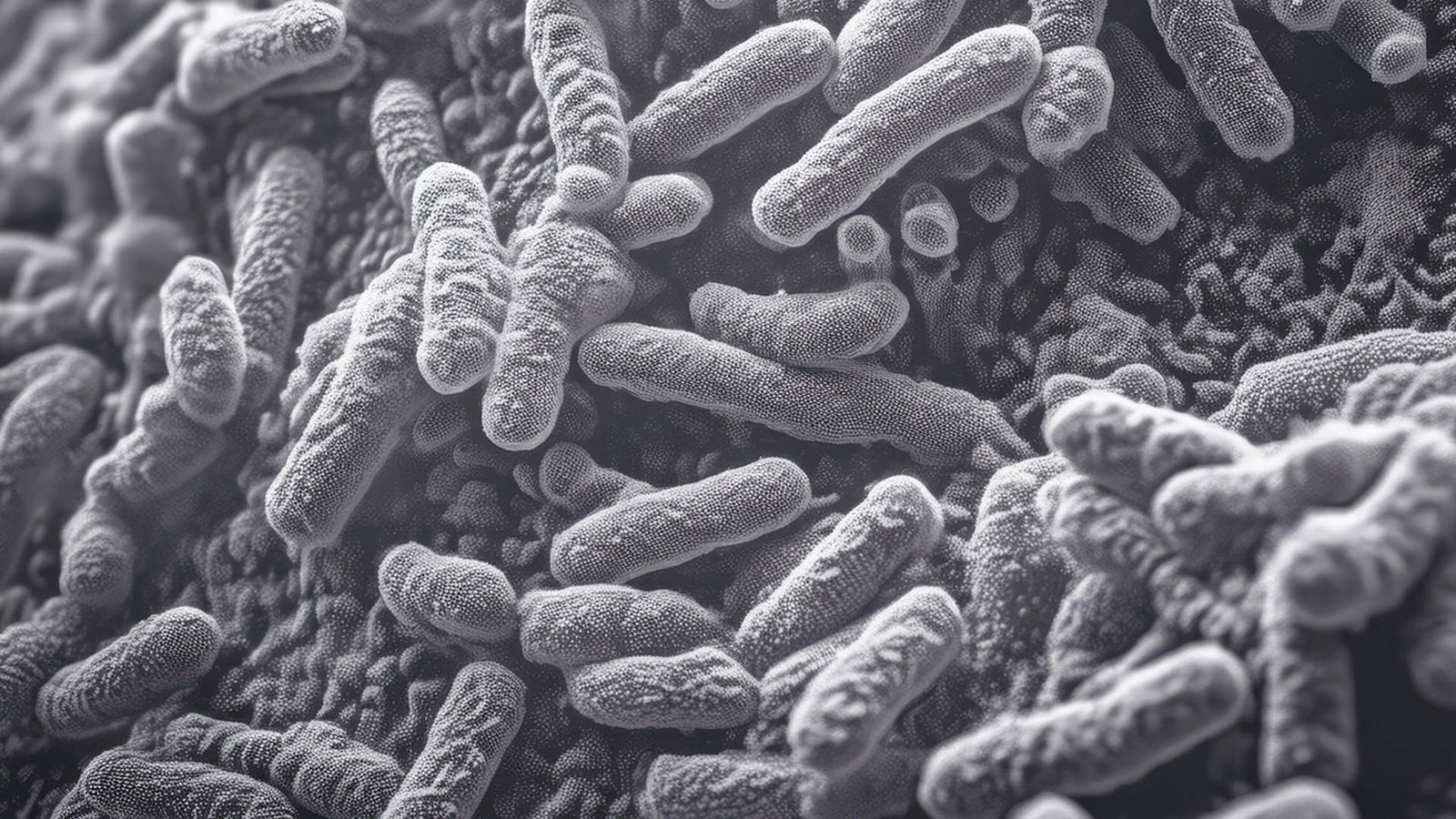
Meet Bacillus mojavensis – A Natural Ally in Your Soil
In the search for healthier soils and stronger crops, Bacillus mojavensis is earning attention for all the right reasons. This hardy, soil-dwelling bacterium doesn’t just survive harsh conditions, it actively supports plant growth and fights disease. Farmers around the world are now turning to B. mojavensis as a safe, natural alternative to chemical treatments.
Looking for a natural way to boost your crops, and thrive in tough soils?
Bacillus mojavensis is your farm’s secret weapon.
A hardy microbe that not only protects plants but also helps them grow stronger, even under stress.
Let’s dig into how this unsung hero of the soil is making a big difference on real farms.
Unlike synthetic fertilisers, B. mojavensis works in harmony with your crops. It lives quietly in the root zone or even inside the plant itself. There, it boosts nutrient uptake, strengthens roots, and produces natural compounds that protect against stress.
In this article, we’ll explore how Bacillus mojavensis works, where it thrives, and why it may be the next must-have tool in sustainable arable farming.
What is Bacillus mojavensis?
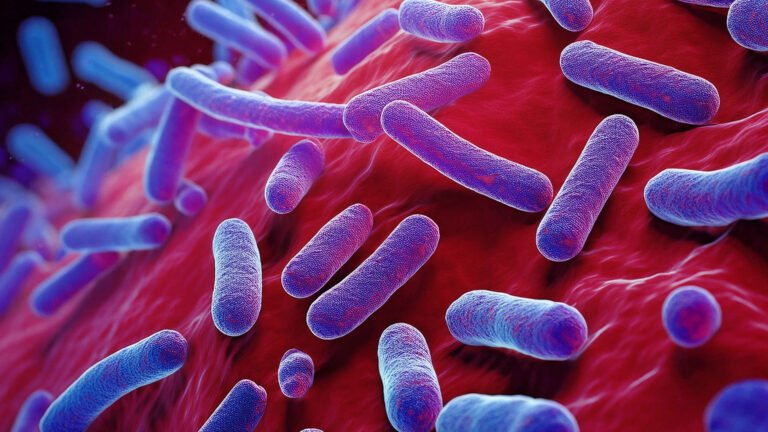
Bacillus mojavensis is a plant-friendly bacterium found in soil, especially in dry or saline environments like deserts. First isolated from the Mojave Desert, this microbe is known for its ability to survive tough conditions. But more importantly, it helps plants grow stronger and stay healthier.
It belongs to the Bacillus subtilis group, which means it shares many traits with other well-known biofertilising bacteria. However, B. mojavensis stands out thanks to its natural tolerance to environmental stress.
Unlike some bacteria that live only in the soil, B. mojavensis can also live inside plant tissues as an endophyte. This gives it a unique advantage: it protects crops from the inside out, boosting growth.
Key Facts about Bacillus mojavensis
Promotes plant growth via auxin and gibberellin production
Solubilises phosphorus for better nutrient uptake
Enhances drought and salinity tolerance in crops
Forms biofilms to improve soil microbiology
Proven to increase yields in wheat, maize, tomatoes, and more
Fully compatible with sustainable and organic farming systems
Key Characteristics:
- Endophytic behaviour – Lives inside plant roots, stems, or leaves.
- Stress tolerance – Survives high salinity, drought, and heat, helping crops do the same.
- Promotes plant health – Improves nutrient uptake, especially under stress.
Thanks to these traits, Bacillus mojavensis is gaining interest in sustainable and organic farming practices, especially where soil conditions are less than ideal.
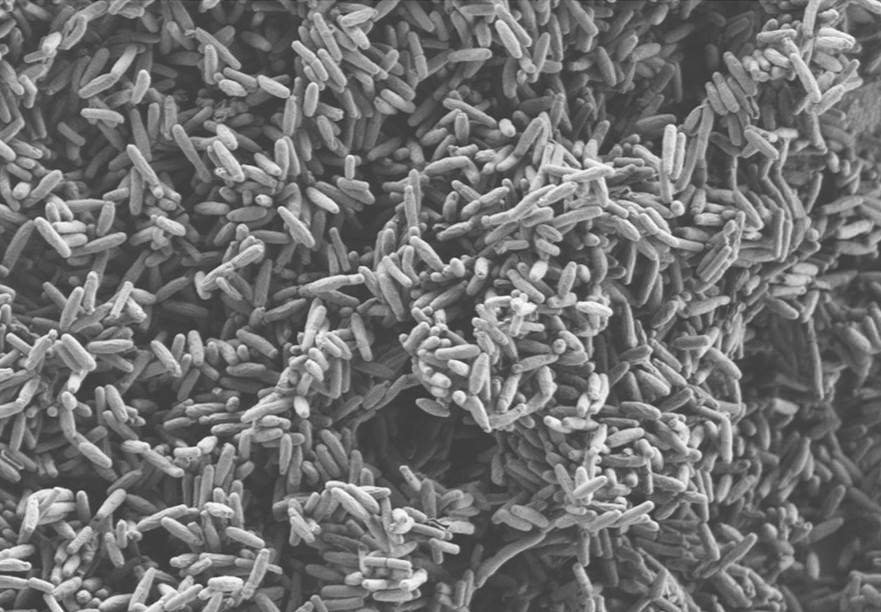
Powerful VOCs for Soil and Plant Health
One of the standout qualities of Bacillus mojavensis is its ability to produce volatile organic compounds (VOCs). These are tiny, airborne molecules that can boost plant health, and improve soil function, all without direct contact.
What Are VOCs and Why Do They Matter?
VOCs act like chemical messengers in the soil. When released by B. mojavensis, they can:
- Stimulate plant root growth, helping crops take in more water and nutrients.
- Change the behaviour of surrounding microbes, encouraging a healthier microbial balance in the rhizosphere (the soil around the roots).
For example, B. mojavensis releases compounds like 2,3-butanediol, acetoin, and dimethyl disulfide, which are known to:
- Improve photosynthesis and chlorophyll production in crops.
- Increase plant resistance to drought and salt stress.
- Boost the uptake of key nutrients like phosphorus and nitrogen.
A Natural Boost for the Entire Field
What makes VOCs so special is their mobility. Unlike many biofertilisers that act only at the point of application, these compounds can travel through the soil and air, helping nearby plants as well.
Moreover, because VOCs don’t leave chemical residues, they’re safe for pollinators, animals, and the environment. This makes B. mojavensis a perfect fit for regenerative and organic farming systems.
Supports Post-Harvest Crop Quality
While many beneficial bacteria help plants grow, Bacillus mojavensis goes a step further. It doesn’t just improve crop health during the season, it also helps maintain quality after harvest.
Healthier Produce for Consumers
In addition to reducing waste, B. mojavensis can also enhance nutritional quality. Some trials suggest it may help boost antioxidant levels and improve flavour in treated crops.
This makes it not only good for the planet but also better for customers, especially when selling at farmers markets or into high-end supply chains.
Salinity & Stress Tolerance
Modern farming is no stranger to tough conditions, whether it’s salty soils, drought, or nutrient-poor fields. This is where Bacillus mojavensis truly shines.
Thrives Where Others Struggle
Unlike many microbes that lose effectiveness under stress, B. mojavensis actually performs better in challenging environments. It has been shown to improve plant performance in:
- Saline soils, where high salt levels normally restrict growth
- Drought-prone regions, by supporting stronger root systems
- Heat-stressed areas, helping plants stay green and productive
How Does It Work?
This powerful bacterium produces osmoprotectants, molecules that help plants retain water and stay hydrated under dry or salty conditions. At the same time, it stimulates the production of antioxidant enzymes, which protect cells from stress damage.
As a result, crops treated with B. mojavensis are more likely to:
- Survive in harsh soil environments
- Produce stable yields despite water shortages
- Bounce back faster after environmental stress
A Natural Stress Shield
In simple terms, using B. mojavensis gives your crops a kind of “natural armour” against the most common stressors in the field. That means fewer losses and more reliable harvests, even in unpredictable weather.
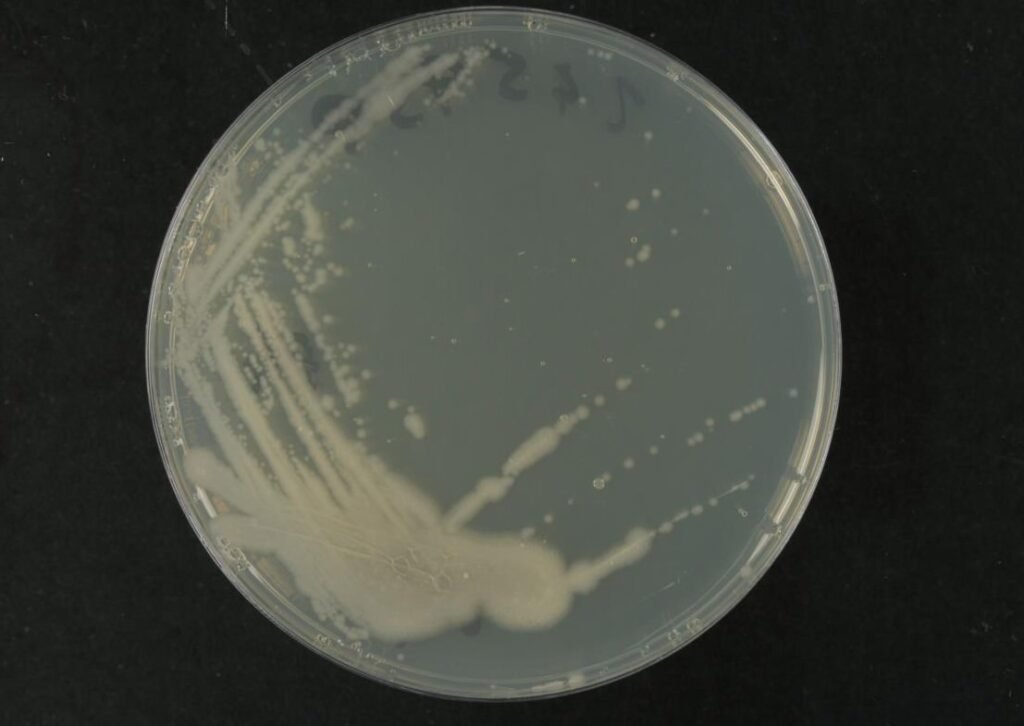
Adaptable & Farmer-Friendly
One of the biggest advantages of Bacillus mojavensis is how easy it is to work with. Whether you’re running a large-scale arable operation or a small regenerative plot, this bacterium fits right in.
Works in Many Systems
Unlike some microbes that only perform well in specific soils or climates, B. mojavensis is highly adaptable. It thrives in a wide range of conditions, including:
- Sandy or clay-rich soils
- High or low pH environments
- Conventional, organic, or no-till systems
Thanks to its spore-forming ability, it can survive long storage and harsh conditions, making it ideal for use in commercial formulations.
Easy to Apply
B. mojavensis can be applied through:
- Seed treatments
- Soil drenches
- Foliar sprays
- Drip irrigation systems
This flexibility makes it practical for everyday use. Farmers don’t need specialised equipment, and it integrates well into existing routines.
Safe and Sustainable
Importantly, this bacterium is non-toxic, GMO-free, and considered safe for humans, animals, and pollinators. That means you can boost your yields without compromising the environment, or your peace of mind.
Summary
Bacillus mojavensis is a powerful plant growth-promoting bacterium (PGPB) known for its ability to support healthy crops through multiple mechanisms. It improves root development, and enhances stress tolerance. Farmers using B. mojavensis have seen increased yields, and stronger root systems, all without relying on synthetic chemicals.
Its versatility is backed by research showing it works in a wide range of crops, from wheat to maize and tomatoes. Whether you’re aiming to reduce inputs, improve soil health, or adopt regenerative practices, this microbe offers a proven, farmer-friendly tool for sustainable agriculture.
Call to Action
Ready to boost your soil and crop health with nature’s own solution?
Try BactoTech’s Bacillus-powered bioformulations today.
Explore our full range of certified, farmer-tested products designed for arable crops, organic systems, and regenerative practices.
📩 Get in touch | 📍 Find us at Groundswell!
Scientific References & Further Reading
To support everything shared in this blog, we’ve drawn from a wide body of peer-reviewed research and scientific publications on Bacillus mojavensis and its agricultural potential. If you’d like to explore the science in more detail, here are the key sources: