Biofertiliser for peppers is not only about growing bigger plants. It can also affect fruit quality, colour, and nutritional value. In our pepper trial, we looked at what happened when bacterial biofertiliser was used and whether it could improve crop quality without hurting yield. As a result, this guide focuses on what changed, what stayed the same, and what the findings may mean for growers.
Quick Answer
Biofertiliser for peppers may do more than support plant growth. In our trial, bacterial treatment was linked with higher vitamin C and carotenoid content, while key yield traits stayed stable. That matters because growers want quality as well as output. So, this post explains what we found, why it matters, and how to read the results in a practical way.
Key Facts
Main topic – Biofertiliser for peppers and its effect on fruit quality and yield
What we looked at – Vitamin C, carotenoids, and key yield traits
Main finding – Vitamin C and carotenoid content increased
What stayed stable – Core yield traits did not show a negative trade-off
Why this matters – Better fruit quality is valuable, especially when yield stays steady
Best takeaway – Biofertiliser for peppers may support both crop quality and a more natural growing approach
This was one trial, so results should guide decisions, not replace local testing
Trial at a glance
| Trial point | What we looked at |
|---|
| Crop | Peppers |
| Main aim | To see whether bacterial biofertiliser could improve fruit quality without harming yield |
| What we measured | Vitamin C, carotenoids, and key yield traits |
| Main result | Vitamin C and carotenoid levels increased |
| What stayed stable | Core yield traits stayed steady |
| Why it matters | Better fruit quality matters even more when yield does not drop |
| Practical message | Biofertiliser for peppers may support crop quality as well as growth |
What we tested
In this pepper trial, we looked at how bacterial biofertiliser affected fruit quality and key crop results. More specifically, we wanted to see whether it could improve nutritional quality without creating a trade-off in yield. So, we focused on two main questions. First, did the biofertiliser improve quality markers such as vitamin C and carotenoids? Second, did the crop keep its core yield performance at the same time? That matters because growers do not want to gain quality in one area only to lose value in another.
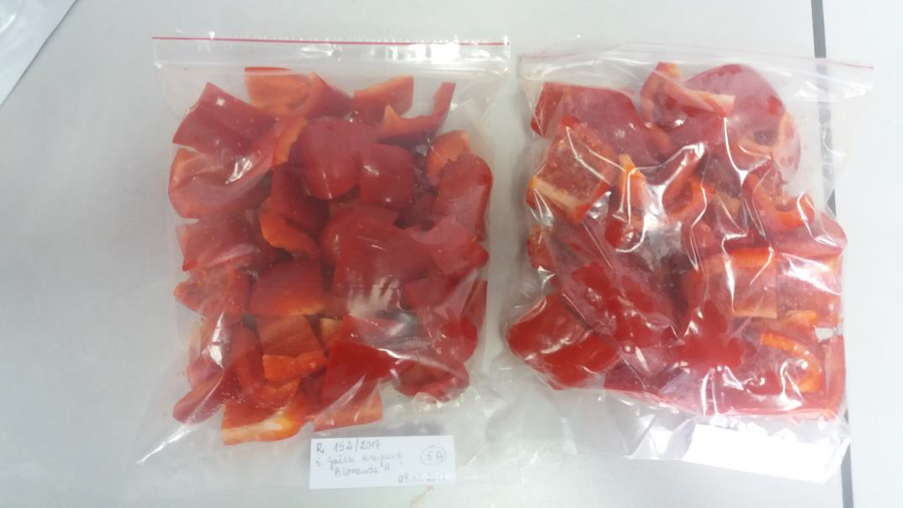
In our trial, we compared standard fertiliser practice with three BactoTech bacterial biofertiliser programmes on two commercial pepper farms. We then measured key fruit-quality markers in the harvested peppers, including vitamin C and total carotenoids. This gave us a side-by-side view of how the biofertiliser programmes performed under real growing conditions.
What increased
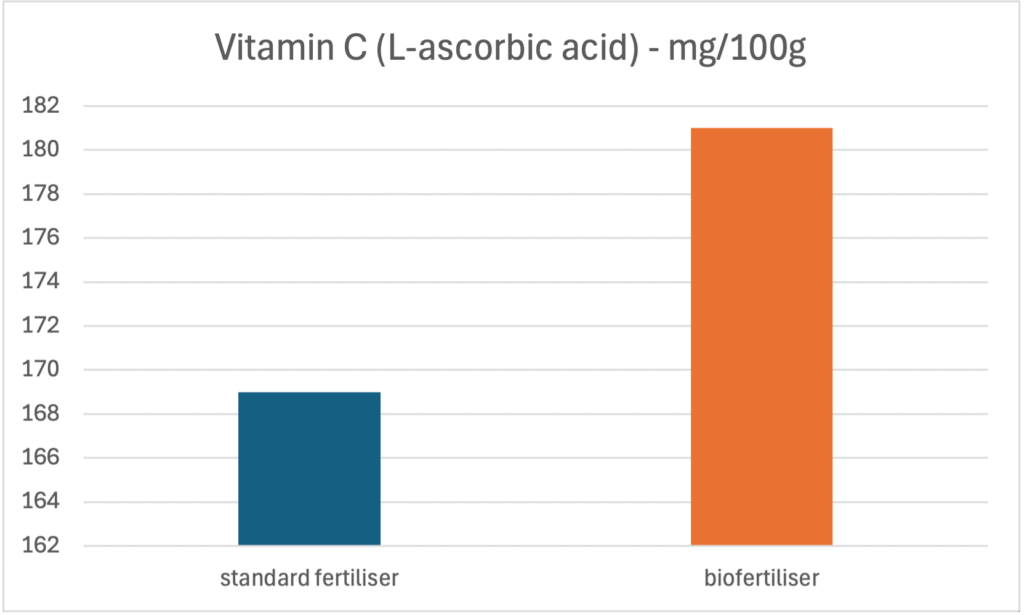
The clearest result was the increase in vitamin C and carotenoid content. In other words, the peppers did not just grow – their nutritional and visual quality improved as well. That matters for two reasons. First, vitamin C is one of the most valued nutritional traits in peppers. Second, carotenoids play a big role in colour and overall fruit quality. So, when both of these increase, the result becomes more interesting for growers who care about quality as well as quantity.
What stayed stable
Just as importantly, the main yield traits stayed stable. In other words, the trial did not show a quality gain at the cost of weaker crop performance. That is a key point because many growers worry about trade-offs. However, in this case, the results suggest that bacterial biofertiliser supported better fruit quality while keeping the main crop output steady. As a result, biofertiliser for peppers looks more useful as a practical growing tool, not just an interesting lab result.
Key findings at a glance
Vitamin C went up. The average rose from 169 to 181 mg/100 g. In the best case, it reached 197 mg/100 g. So, shoppers get more of a nutrient they value.
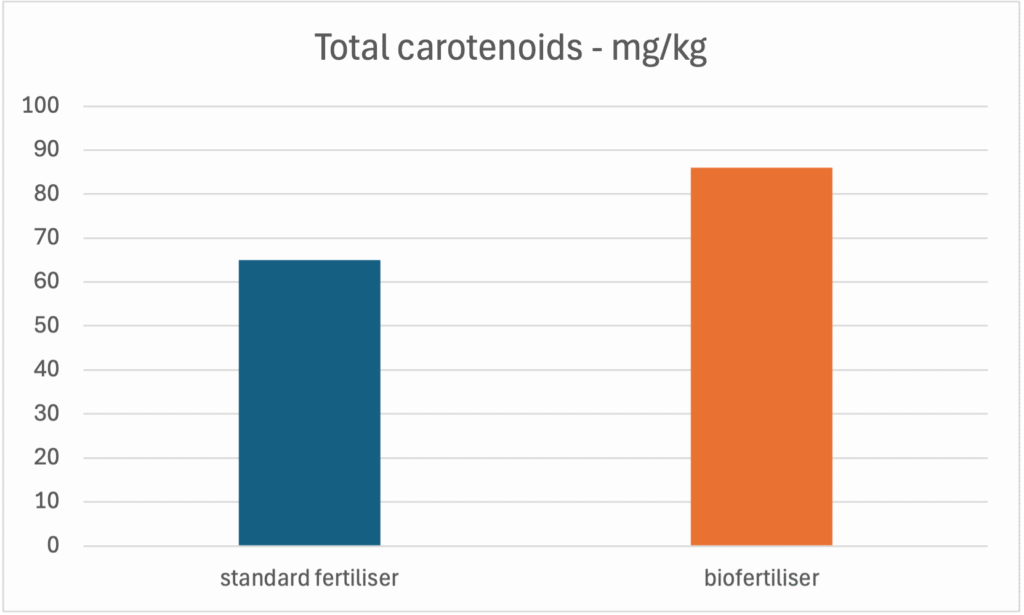
Carotenoids went up. Totals rose from ~65 to ~86 mg/kg. At peaks, two formulas hit 95 mg/kg and 90 mg/kg. Therefore, colour looked brighter and the fruit felt fresher.
Core traits stayed steady. The biofertilisers lifted nutrition, yet yield and sugars held firm. Therefore, you keep market size and taste while gaining a clear health boost.
Why vitamin C and carotenoids matter in peppers
Vitamin C and carotenoids are not minor details. On the contrary, they are two of the most important quality traits in peppers.
- Vitamin C matters because people often choose peppers as a healthy, nutrient-rich food. So, when vitamin C levels rise, the crop becomes more attractive from a nutritional point of view.
- Carotenoids matter for a different reason. They help shape fruit colour, and colour strongly affects how peppers look to buyers and consumers. In addition, carotenoids are linked with quality and visual appeal. So, when both vitamin C and carotenoids increase, the result is not only scientific. It is also practical.
These gains matter because carotenoids help shape pepper colour and visual appeal, while vitamin C adds nutritional value. So, when both rise together, the crop becomes more attractive from both a quality and a market point of view. Just as importantly, the trial showed these gains without a clear yield penalty.
A review on red pepper carotenoids explains why these compounds matter so much for colour, quality, and nutritional value, which helps put our carotenoid result into context.
What this means for growers
For growers, this trial gives a useful message. Biofertiliser for peppers may support more than plant growth alone. It may also help improve fruit quality while keeping yield stable. That matters because good crops need more than tonnes per hectare. Growers also care about quality, appearance, and market value. So, if a biological treatment helps lift vitamin C and colour without causing a yield penalty, it becomes much more interesting in practice.
In simple terms, this trial suggests that biofertiliser for peppers may help growers produce a crop that looks good and performs well at the same time.
One practical takeaway is that biological products do not always need to replace a full fertiliser plan to add value. In this trial, the most useful role was as part of a wider programme, helping lift fruit-quality traits while core crop performance stayed steady. That makes biofertiliser for peppers more relevant for growers who care about both crop quality and practical results.
If you want the simpler home-garden version of this idea, read our guide to natural fertiliser for vegetables, where we explain how beneficial soil bacteria support healthier growth with fewer chemicals. A 2023 study on soilless-grown capia pepper is also useful here because it showed that bio-fertilisers affected plant growth, yield, and fruit quality while helping reduce mineral fertiliser use.
What this trial does not prove
At the same time, it is important to stay realistic. This was one trial, so it does not prove that every pepper crop will respond in the same way. Results can change with variety, climate, soil, substrate, watering, and base nutrition. In addition, not every bacterial product will behave the same way under every growing system. So, the right way to read this trial is as useful evidence, not as a universal promise.
That is why trials like this should guide decisions rather than replace local testing. In other words, the results are encouraging, but they still need to be matched to real growing conditions.
For a simpler real-world example, our home-garden post on growing vegetables without chemicals shows how beneficial soil bacteria were linked with steadier growth and fuller starts in pots.
How this fits the wider biofertiliser evidence in peppers
This trial does not sit on its own. More broadly, pepper research often shows that biofertilisers can influence not only growth, but also fruit quality, nutrient uptake, and crop performance.
That wider pattern matters because it gives more weight to the findings here. In other words, our result fits a bigger picture rather than standing alone as a one-off observation. That does not remove the need for caution. However, it does suggest that biofertiliser for peppers deserves serious attention from growers who want a more natural and quality-focused approach.
So, when this trial is read alongside wider pepper research, the main message becomes clearer: biological inputs may help improve crop quality while still fitting into a practical growing programme.
A 2024 greenhouse study on bell pepper also found that biofertiliser treatments improved fruit quality, nutrient uptake, and in some cases yield, which helps place our pepper results in a wider evidence base. A 2019 bell pepper study also found that root inoculation with Bacillus amyloliquefaciens affected fruit biochemical composition and antioxidant capacity, which makes the quality angle especially relevant.
Biofertiliser for Peppers – FAQs:
What is a biofertiliser for peppers?
A biofertiliser for peppers uses beneficial microbes to support the crop through the root zone. In practice, growers use it to support plant growth, fruit quality, and a more natural nutrition programme.
Can biofertiliser improve pepper quality?
Yes, it can. In our trial, bacterial biofertiliser was linked with higher vitamin C and carotenoid content, while the main yield traits stayed steady.
Does biofertiliser for peppers increase vitamin C?
In our trial, yes. The treated pepper crop showed higher vitamin C levels, which makes this result especially interesting for growers who care about nutritional quality as well as output.
Can biofertiliser improve pepper colour?
It may help. In our trial, carotenoid levels increased, and carotenoids play an important role in pepper colour and visual appeal. So, this kind of treatment may support fruit quality in more than one way.
Will biofertiliser reduce pepper yield?
Our trial did not show a negative trade-off in the main yield traits. That is important because it suggests quality gains do not have to come at the cost of crop performance.
Can biofertiliser for peppers replace standard fertiliser completely?
That would be too strong a claim. A better way to see it is as part of a wider growing programme. In this trial, the most useful role was as a biological support within a practical nutrition plan.
Is biofertiliser for peppers only useful for large farms?
No. The main ideas also matter for smaller growers and home gardeners. That is because better root-zone biology and better crop quality matter at every scale, even though the exact results may differ.
Can home gardeners use the same idea for peppers?
Yes. The same principle of supporting soil biology can also help home-grown peppers. However, home growing is different from a farm trial, so it helps to read the simpler garden-based guides as well.

Related guides
- If you want the home-garden version of this topic, read our guide to natural fertiliser for vegetables and see how beneficial soil bacteria support healthier crops with fewer chemicals.
- For a simpler real-world example, our post on growing garden vegetables without chemicals shows what we noticed when we used beneficial soil bacteria in pots and trays at home.
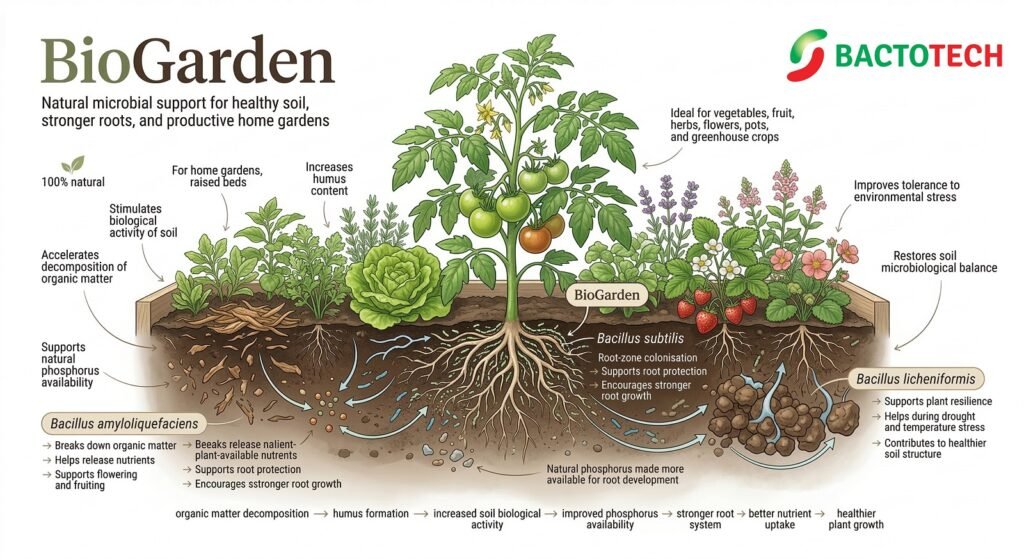
- If you want to understand the product background in more detail, visit the BioGarden page for the full overview, key benefits, and directions for use.
If you want peppers with strong quality, steady performance, and a more natural nutrition approach, talk to BactoTech UK about how bacterial biofertiliser may fit your crop plan.
Editorial note
This article shares the results of one pepper trial and explains what they may mean in practice. However, crop response can vary with variety, climate, soil, substrate, watering, and the wider nutrition programme. So, use these results as useful guidance, not as a blanket promise, and always match biological inputs to your own growing conditions.