BioGarden for Vegetables: Our Home Garden Trial (and Why the Pests Chose the Other Pots)
QUICK ANSWER
To grow garden vegetables without chemicals, support the soil first. In our home pot trial, a simple monthly watering-in routine with beneficial soil bacteria was linked with more even germination, sturdier plants, and noticeably less leaf chewing on treated pots sitting right next to untreated ones. This wasn’t a lab study, so results will vary, but it’s an easy split test you can repeat at home.
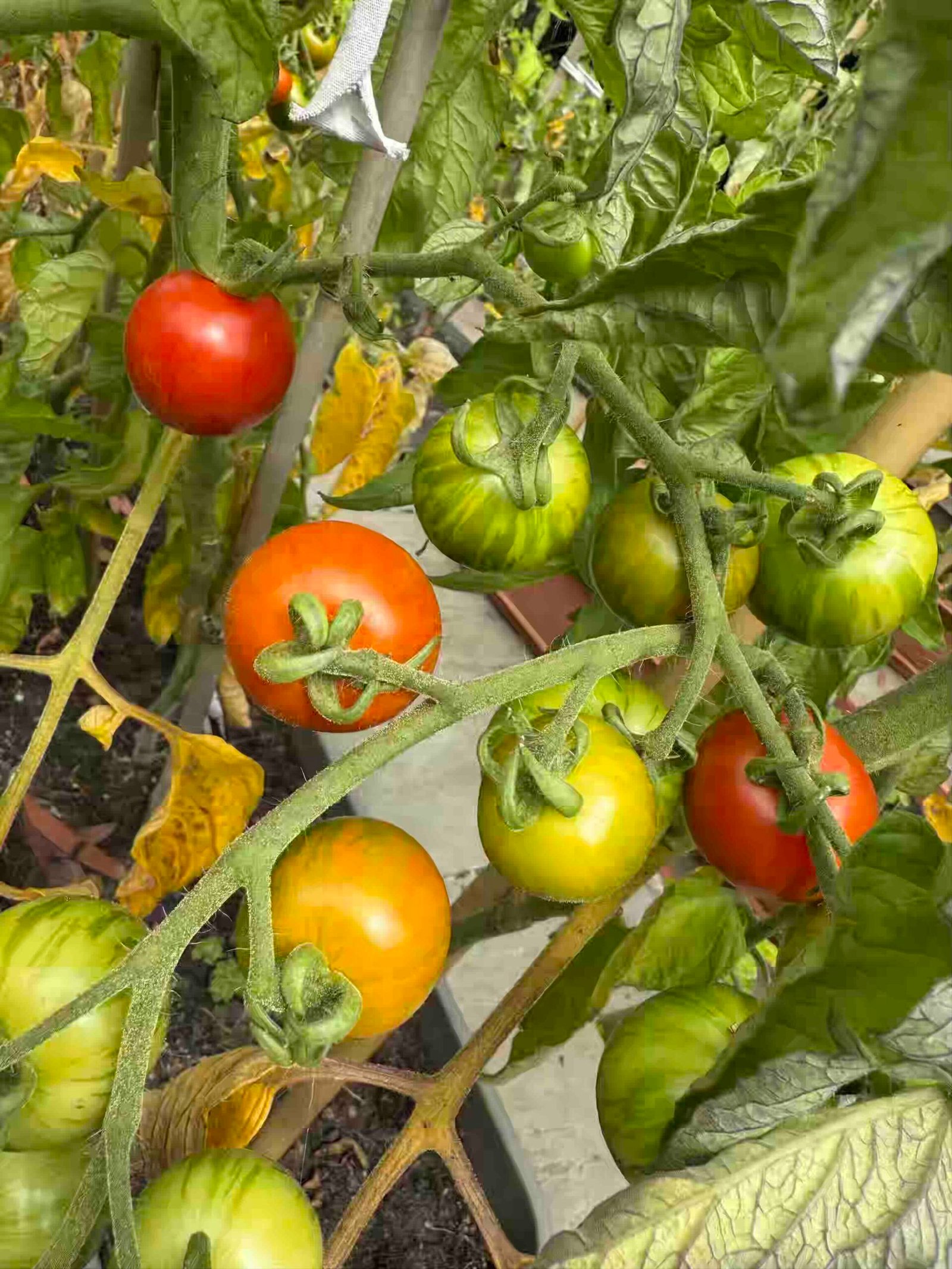
We used a beneficial bacteria blend (BioGarden) on our own pot-grown vegetables – tomatoes, radish, turnip, peppers, courgettes, and beetroot – starting at sowing and then repeating once a month.
We followed a simple routine: 10 ml in 10 litres of water for 10 m². From the start, more seeds seemed to germinate, and as the weeks passed the plants looked bigger with firmer, more upright leaves. Most surprisingly, leaf-chewing pests kept choosing the untreated pots, even when they sat right next to the treated ones.
Our story (a normal garden, not a “big experiment”)
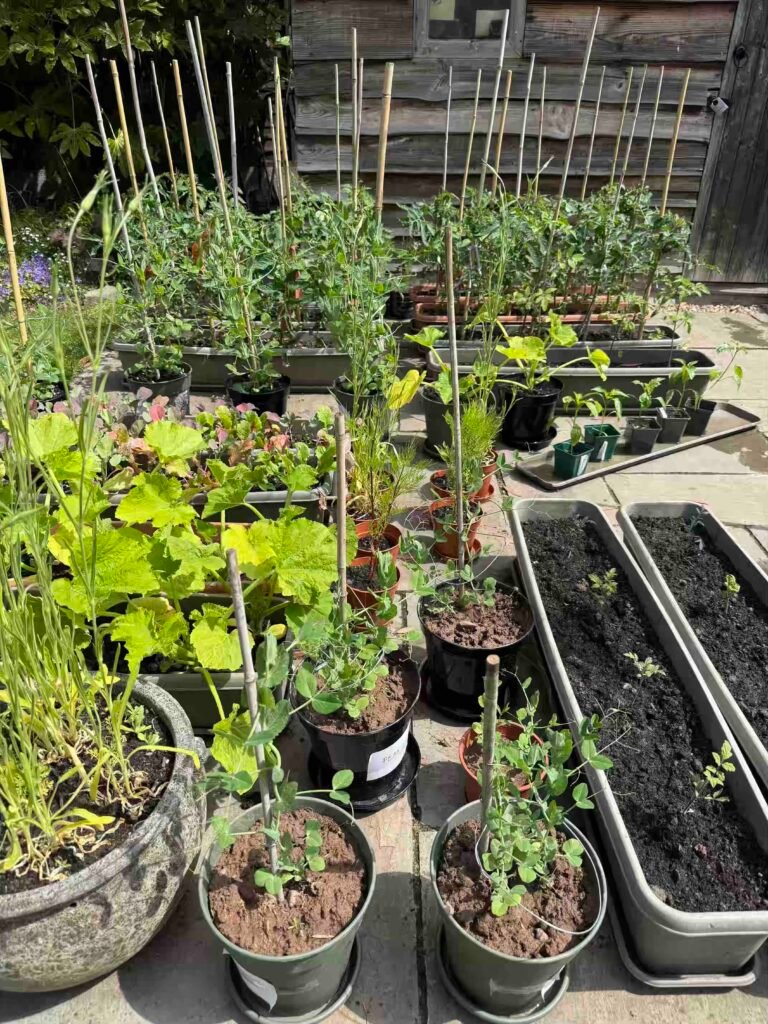
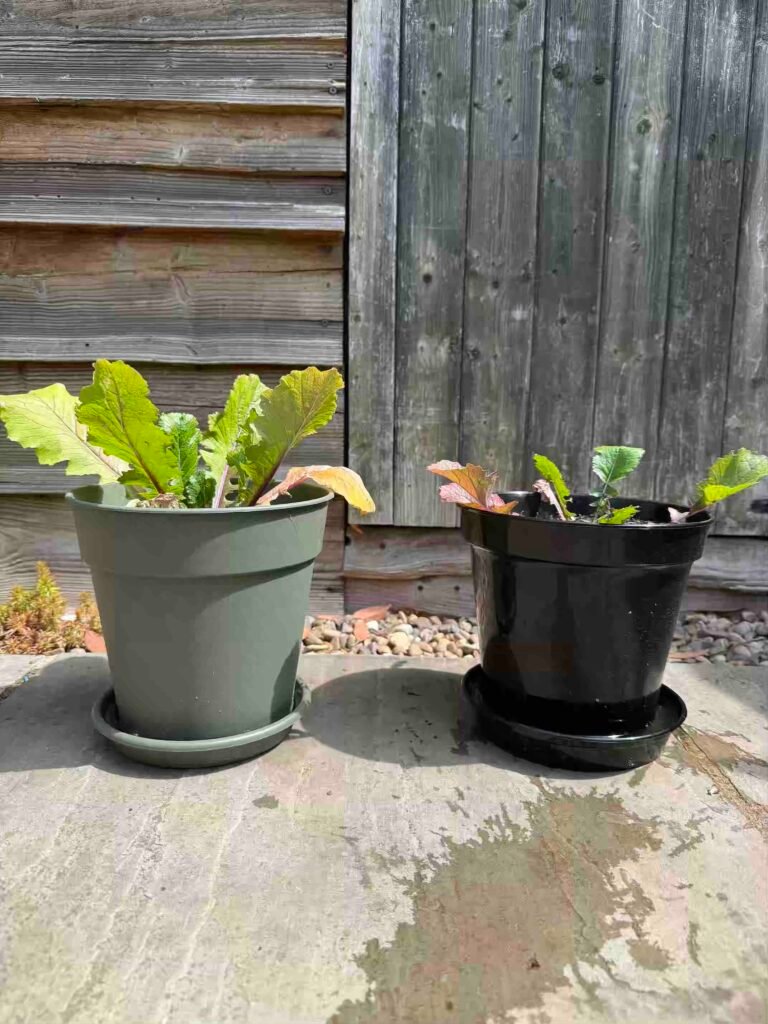
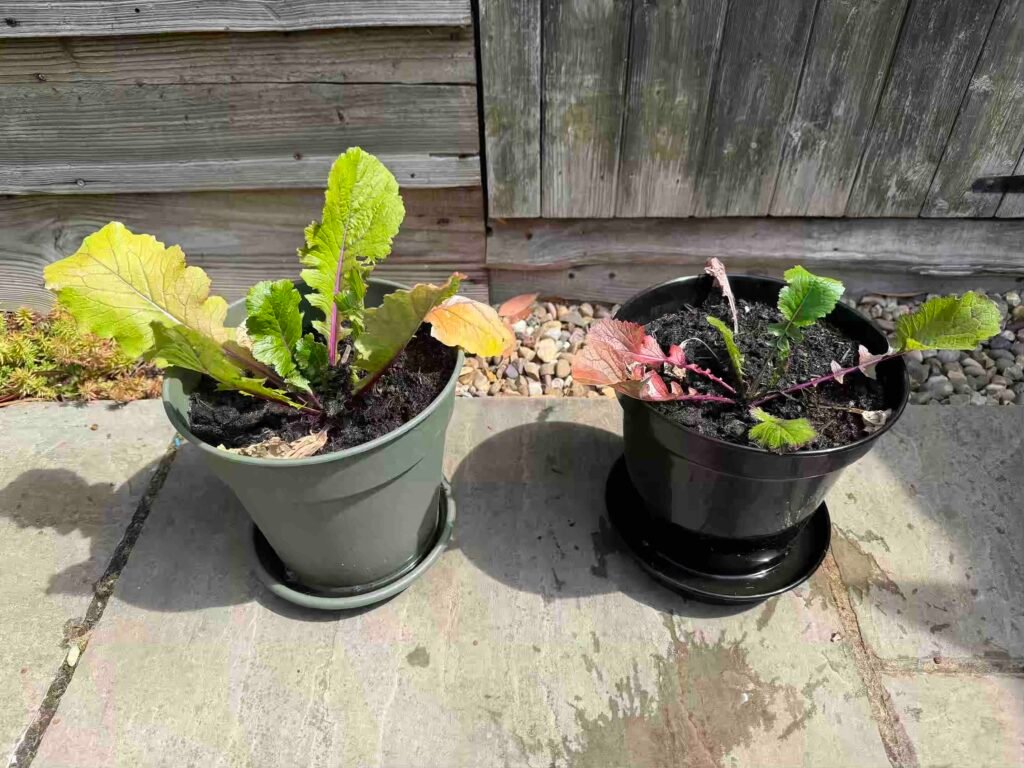
We didn’t set out to run a perfect trial. We just wanted healthier veg with less drama. So we did something simple. We treated some pots with BioGarden and left some pots untreated. Everything sat close together. We kept our usual watering and care. Then we watched what happened.
We used BioGarden right from the start, during sowing, and then kept it simple: once a month. We grew in pots, so we just scaled that down. Same idea. Same rhythm. And then… small things started happening.
KEY FACTS
Trial type: Home pot “side-by-side” split test (treated vs untreated)
Season: Last growing season (full sow-to-harvest run)
Crops: Tomatoes, radish, turnip, peppers, courgettes, beetroot
Routine: Apply at sowing/planting, then once a month
Label rate used: 10 ml in 10 L water (covers ~10 m²; we scaled down for pots)
What stayed the same: Same pots, same spot, same light, same watering habits
What we noticed most: Fuller germination + sturdier leaves + pests preferred untreated pots
Important note: BioGarden isn’t a pesticide; it supports soil and plant resilience
The two problems most gardeners recognise: patchy starts and hungry pests
If you’ve grown veg even once, you’ll know the two worries that show up early:
- Will the seeds actually come up evenly?
- Will something chew the leaves the moment you turn your back?
Because, even when you do “everything right”, nature still has its own plans. Some seeds hesitate. Some seedlings stall. Meanwhile, pests often arrive like they’ve booked a table.
That’s why we liked the idea of BioGarden. Not as a quick fix. Instead, as a way to support the soil and roots so the plant can do its job better.
Our simple BioGarden programme (what we actually did)
We kept it boring on purpose. That way, it was easy to repeat.
1) Start at sowing (or planting)
We watered BioGarden in at the beginning, so the microbes could settle around the root zone early.
2) Repeat once a month
Once a month, we repeated the same routine.
3) Keep everything else normal
Same location, same light, same general watering habits. No extra tricks.
Dose we followed (label rate):
10 ml BioGarden in 10 litres of water for ~10 m² – then scaled down for pots.
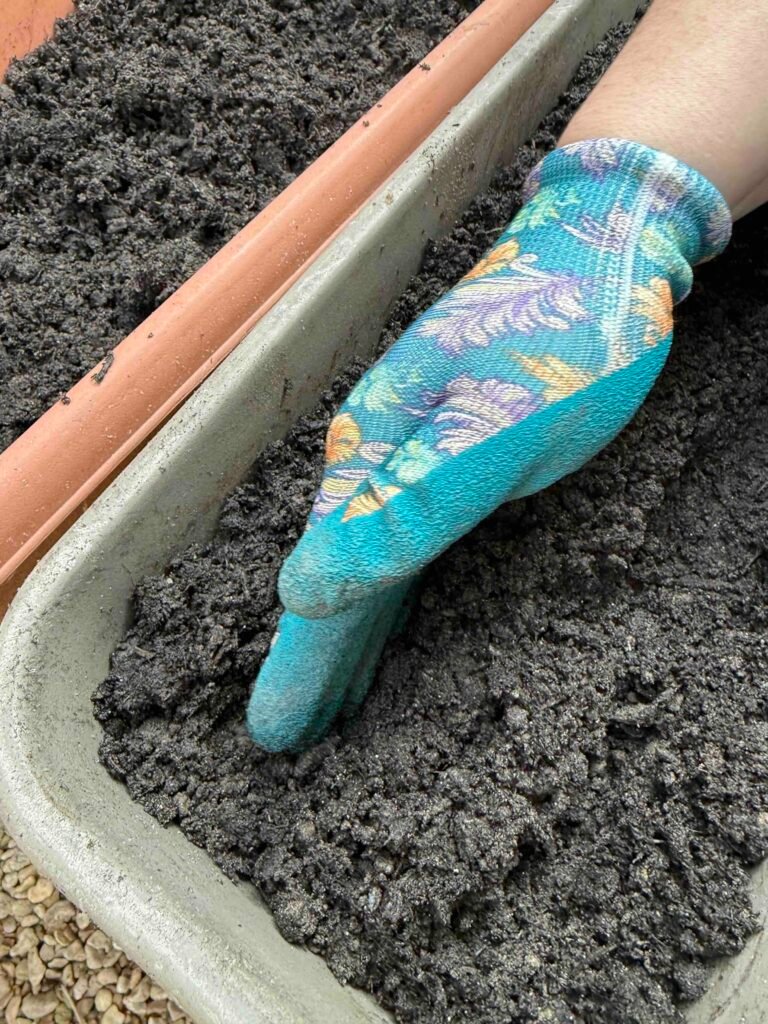
What we noticed first: stronger-looking germination
The first result wasn’t subtle.
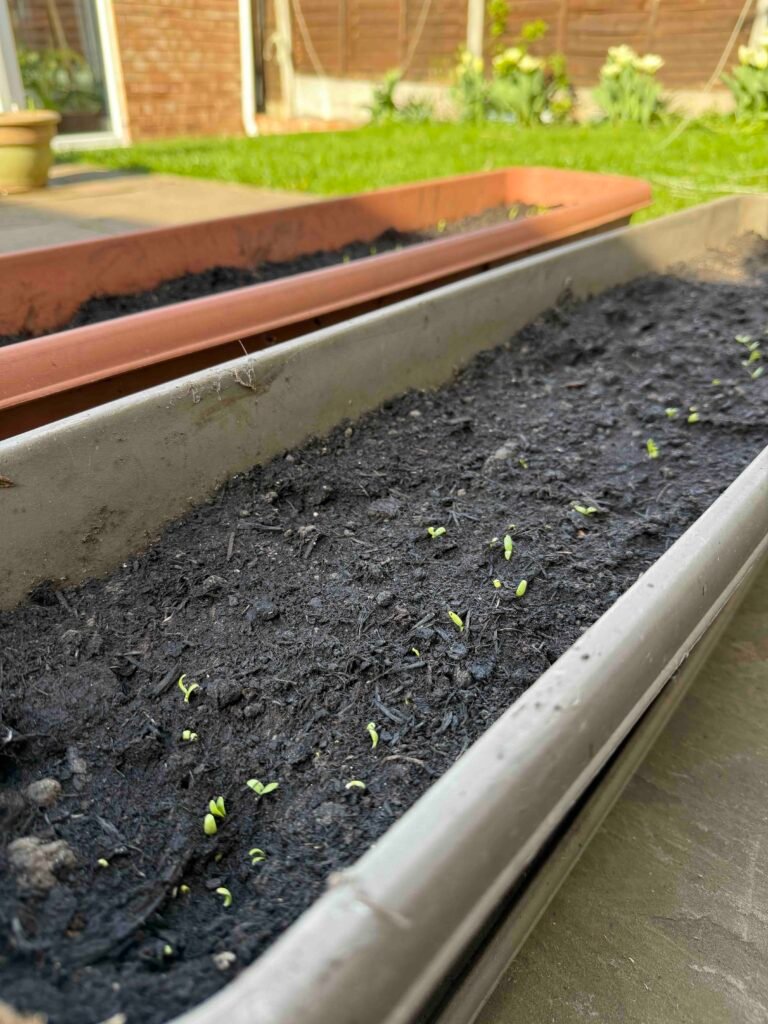
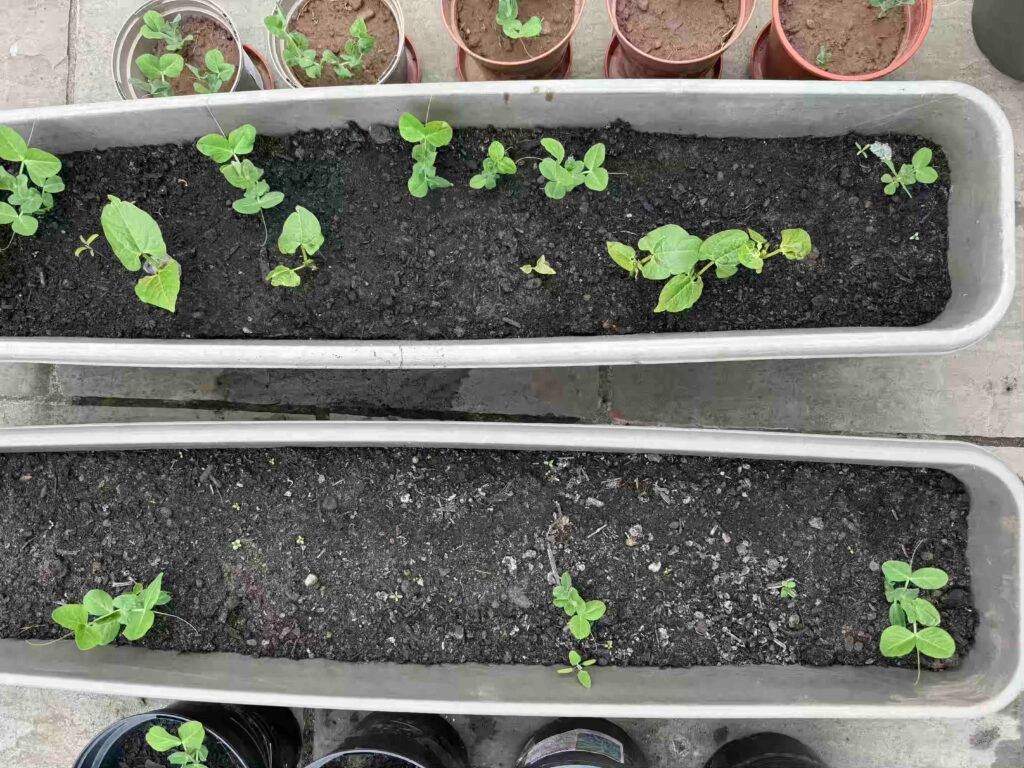
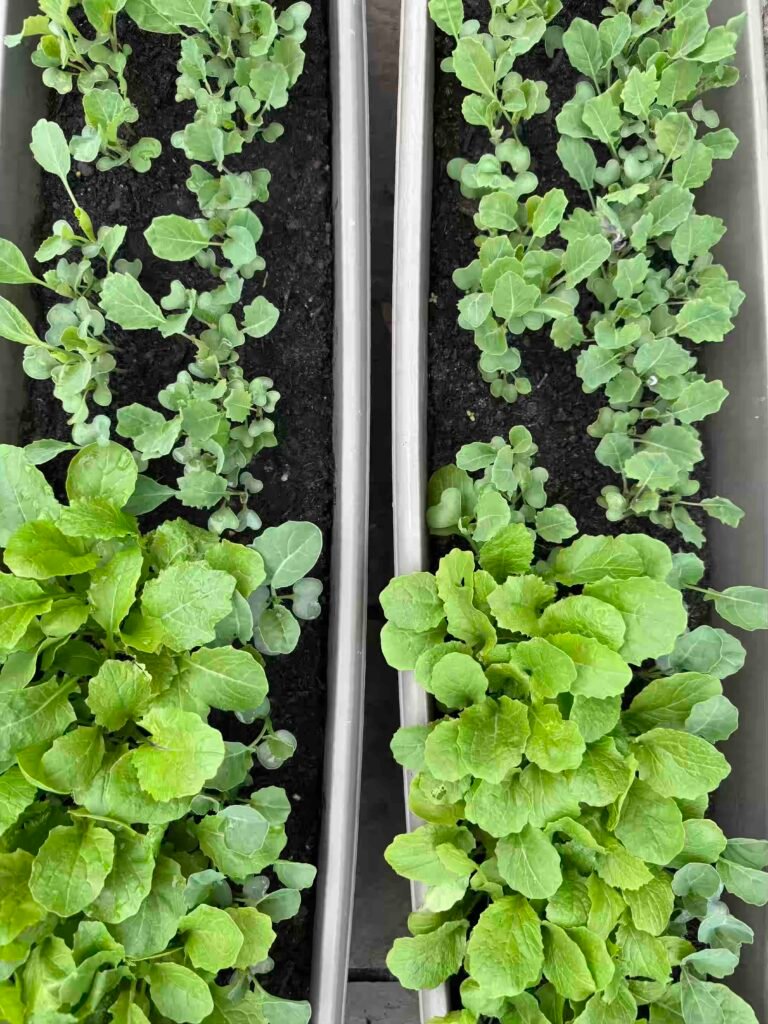
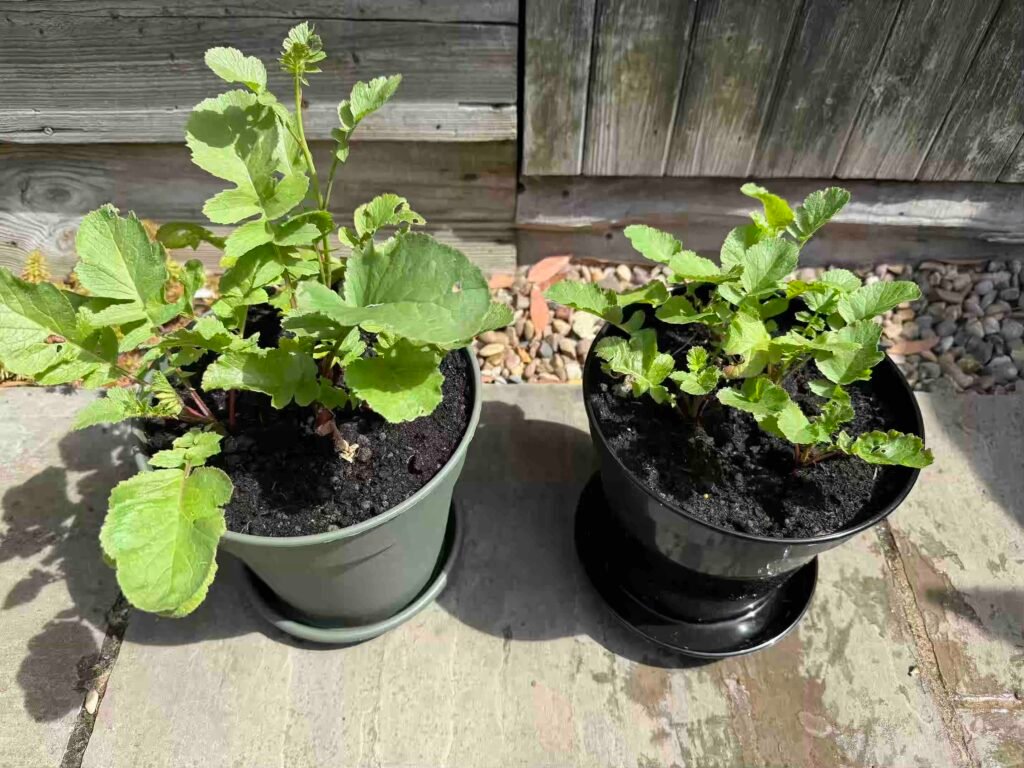
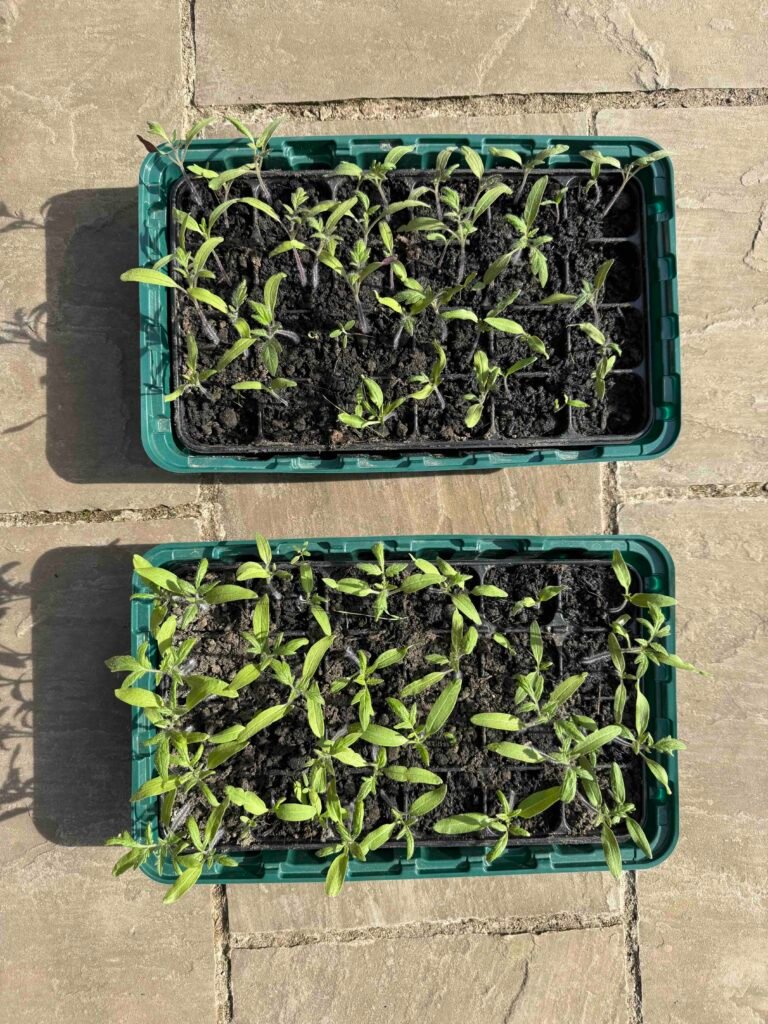
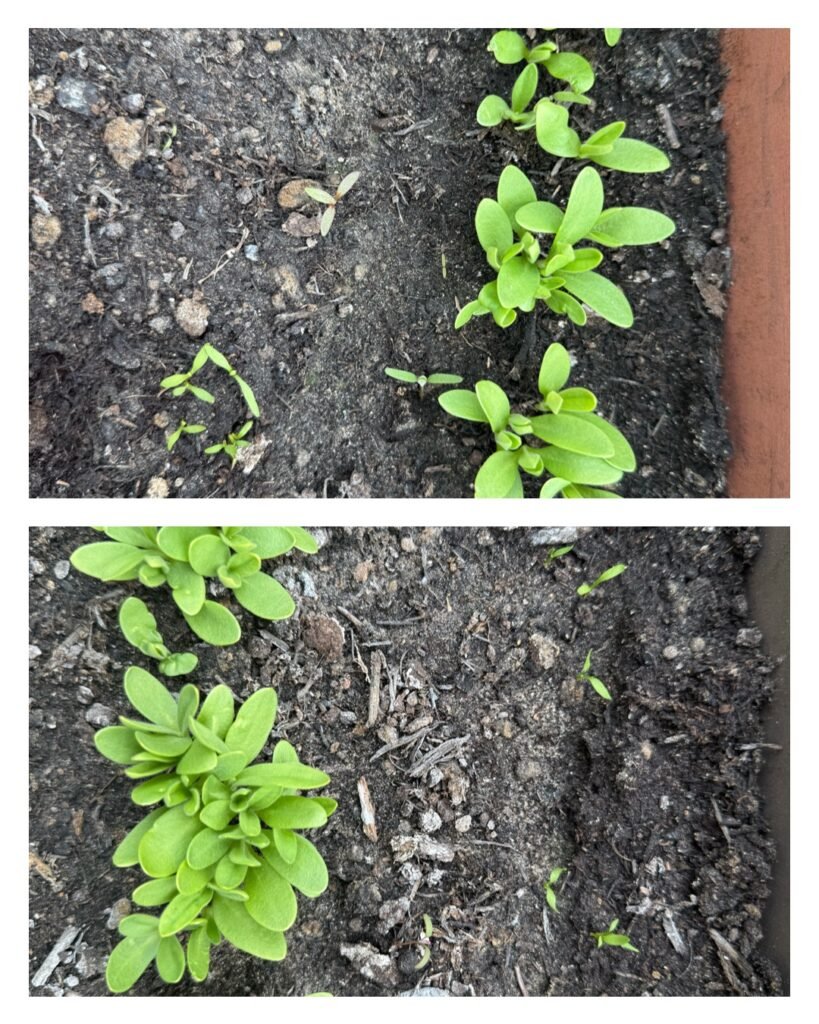
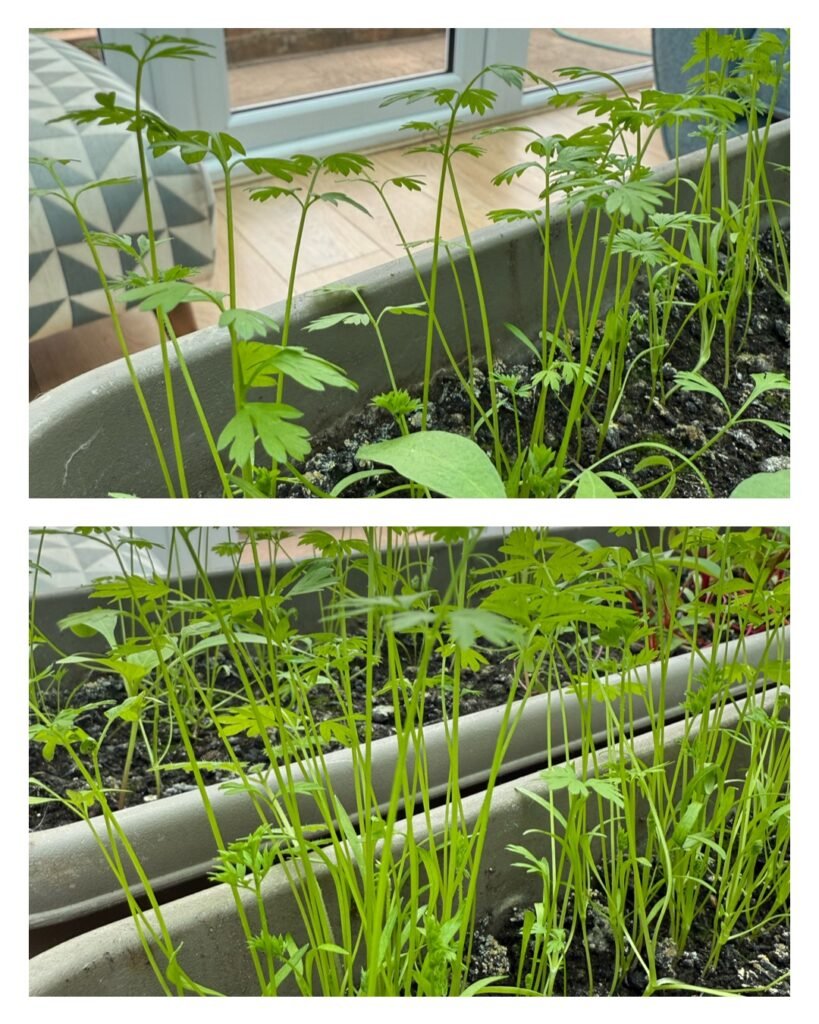
Seeds treated with BioGarden seemed to give more seedlings. The pots looked fuller. There were fewer gaps. And the difference showed up early enough that it felt hard to blame on luck.
Now, we’re not pretending this was a lab trial. However, when you see a pot come up “thicker” and more even – you notice.
And when seedlings start well, the season feels calmer from the very start.
What we noticed next: bigger plants, stiffer leaves, stronger vibe
As the weeks went on, we saw a second pattern:
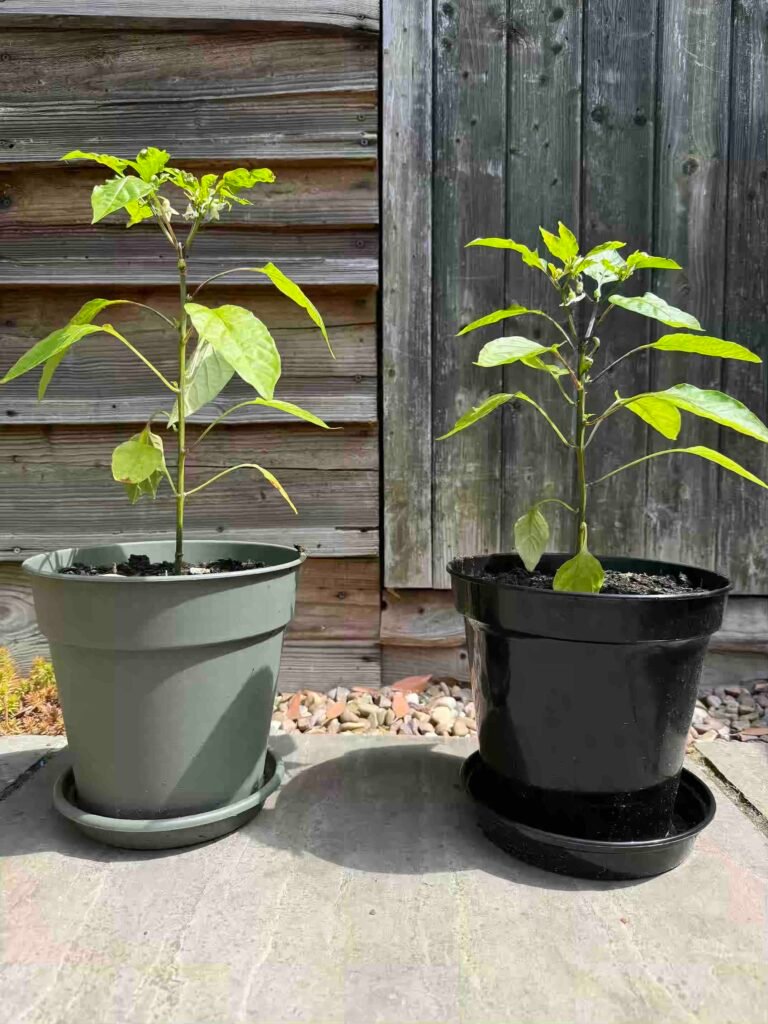
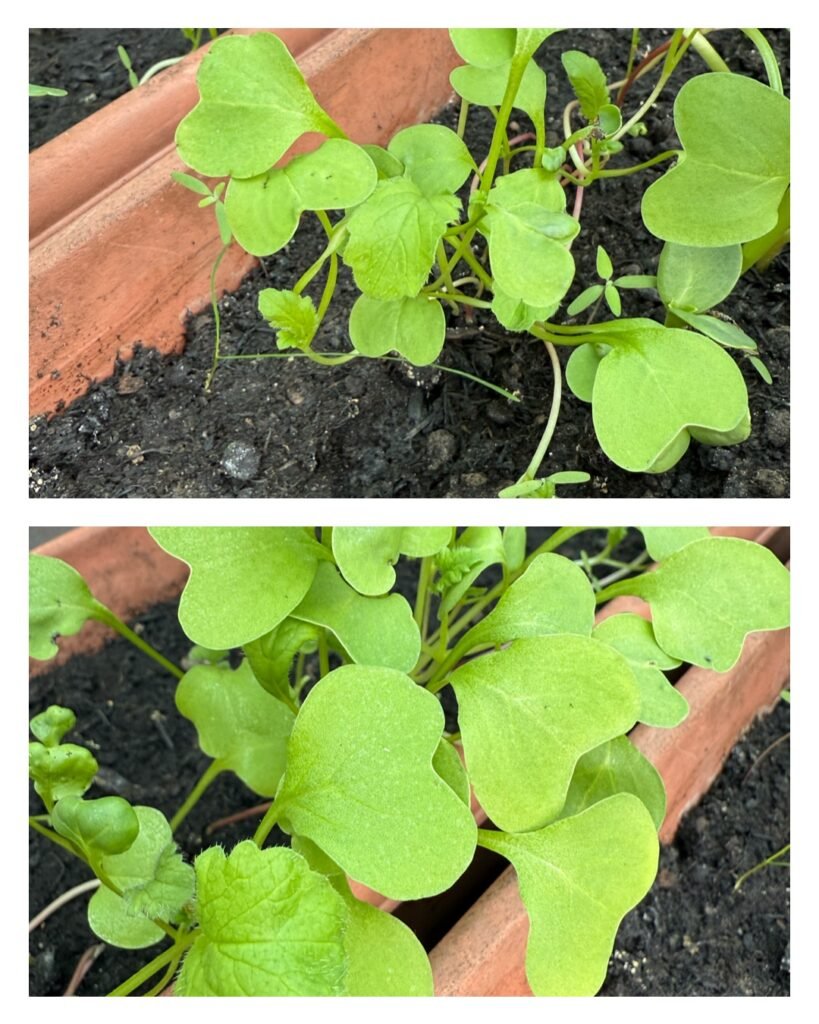
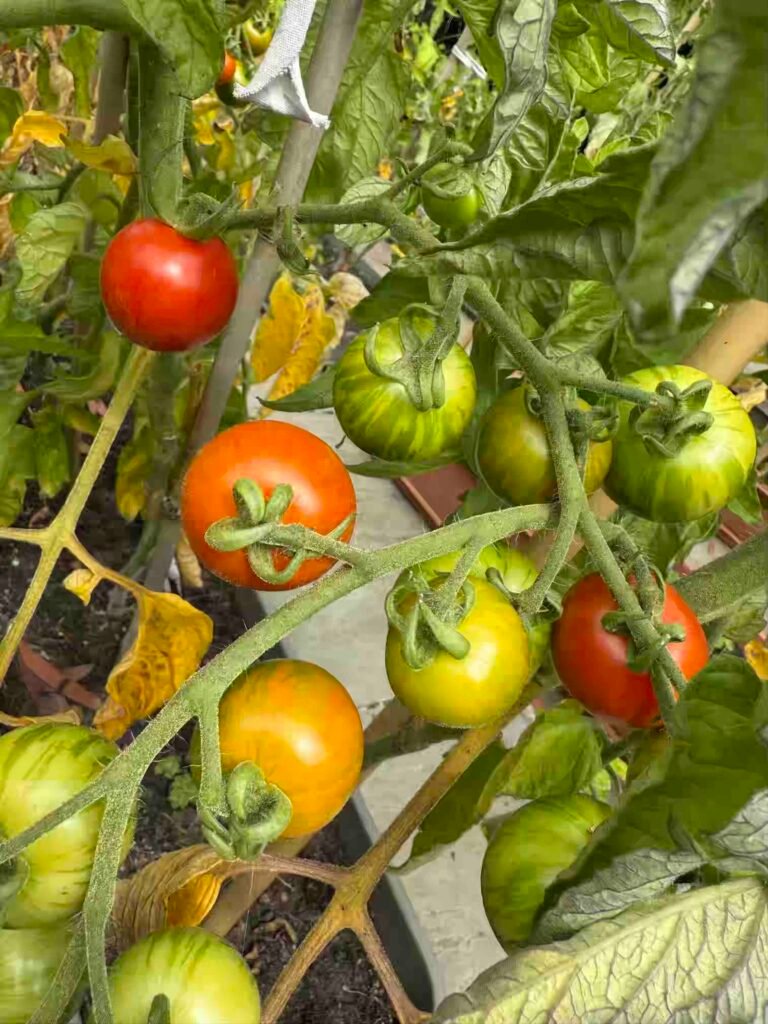
- plants looked bigger
- leaves looked stiffer and more upright
- overall growth looked more confident, not floppy
It’s hard to describe without sounding poetic, but it felt like the plants had better “structure”. Like they were building themselves from the inside out.
BioGarden is described as a soil microbiological preparation for home gardens and pot crops, designed to support soil biology and plant tolerance to stress, so what we saw matched that general direction.
The biggest surprise: pests kept choosing the other pots
This is the part that genuinely stopped us.
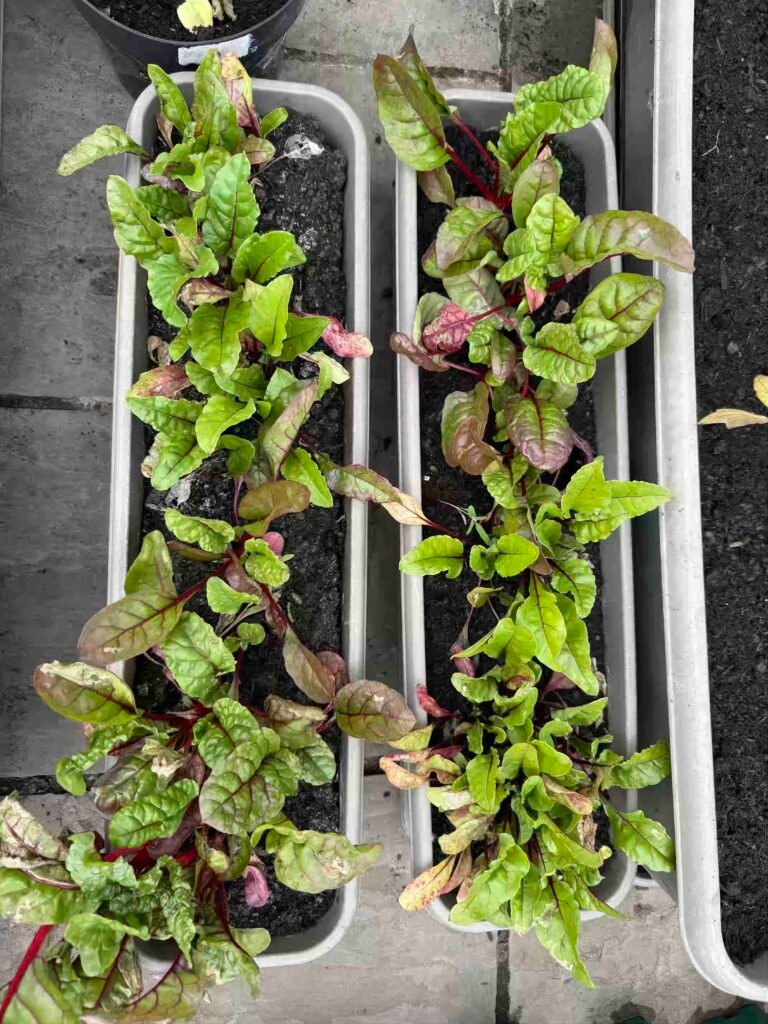
We had pots side by side. Same area. Same conditions.
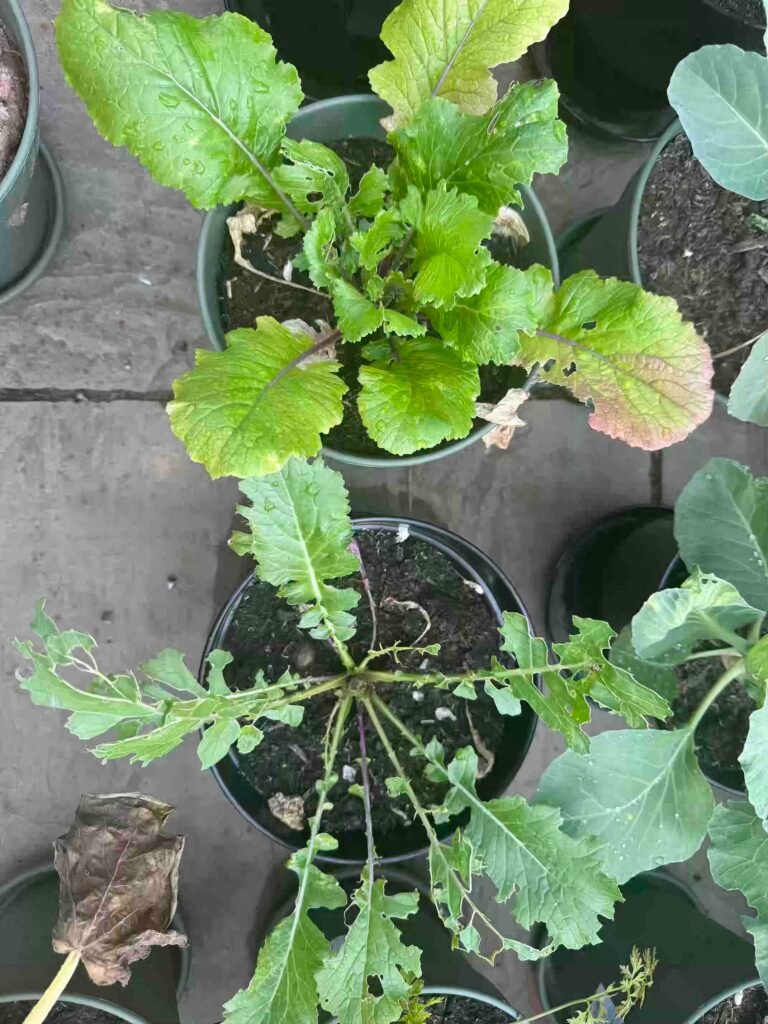
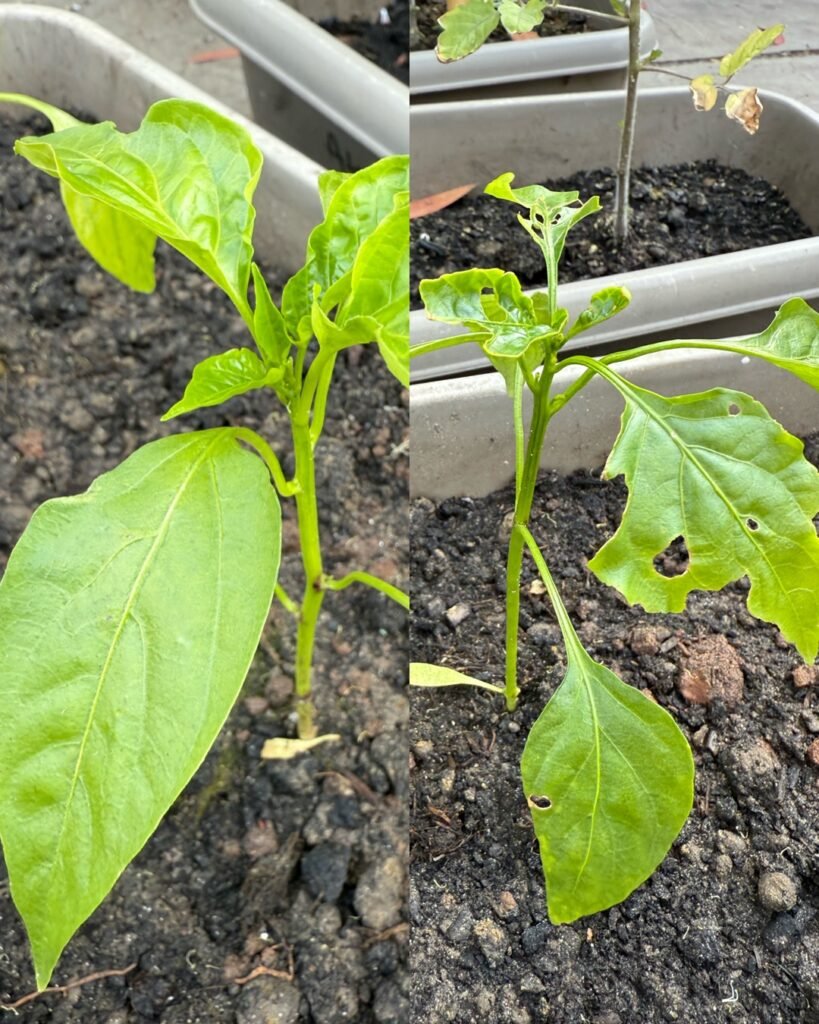
Yet the leaf-chewing pests (the usual little suspects that nibble, shred, and test your patience) seemed to prefer the plants that didn’t get BioGarden.
Even when the treated and untreated plants were neighbours, the “damage pattern” didn’t spread evenly. It often looked like the pests made a choice, and it wasn’t the BioGarden-treated leaves.
So, of course, we asked the question:
Why would pests avoid the healthier-looking plants?
We can’t prove the exact reason in our garden. However, there are a few strong, research-backed explanations for why beneficial root microbes can sometimes lead to less pest feeding or lower pest success.
Let’s keep it simple.
The science that might explain what we saw
1) Beneficial microbes can “prime” plant defences
Some helpful root bacteria (often called plant growth-promoting rhizobacteria, or PGPR) can switch on a plant-wide defensive readiness known as induced systemic resistance (ISR). In plain English: the plant can become more prepared to defend itself, even above ground.
Importantly, this has been discussed not only for diseases, but also for insect herbivores.
2) Plants can become less “tasty” to insects
In classic cucumber work, PGPR-induced resistance was linked with changes in plant chemistry that reduced a natural feeding stimulant (cucurbitacin), and beetle feeding was reduced. That’s one clear example of how a microbe-driven shift can change insect behaviour.
So, one possible explanation is simple: the treated plants may have become a less rewarding snack.
3) Microbes can influence plant smell signals (VOCs)
Plants communicate with the world using tiny chemical signals, including volatile organic compounds (VOCs). Research suggests beneficial soil microbes can alter plant traits and VOC blends, which can affect pest behaviour and natural-enemy attraction.
So, even if two pots sit next to each other, they might not “smell” the same to insects.
4) Bacillus strains have been linked with resistance effects in studies
BioGarden contains selected Bacillus strains (including Bacillus subtilis, Bacillus amyloliquefaciens, and Bacillus licheniformis), and Bacillus-based interactions with plant defence pathways are an active research area. For example, one study on Bacillus subtilis in wheat reported defence priming and increased resistance against an aphid species.
To be clear: that doesn’t prove exactly what happened in our pots. However, it supports the broader idea that beneficial bacteria can influence plant defence responses.
5) Real-world results vary (and that’s normal)
Even researchers emphasise that microbe effects on plant–insect interactions can vary depending on plant type, microbe strain, and conditions.
So, the honest take is: what we saw is believable, and there are good reasons it could happen – but gardens will always have variation.
What is BioGarden?
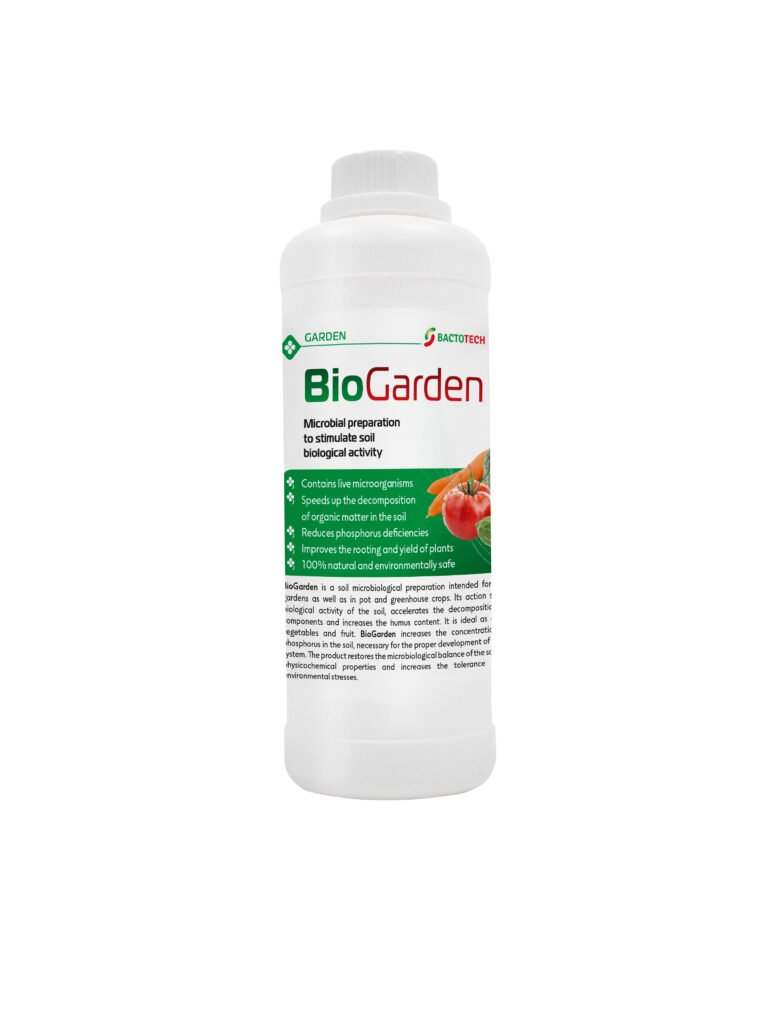
BioGarden is a soil microbiological preparation designed for home gardens and pot/greenhouse crops. The product information describes it as supporting soil biological activity, improving soil balance, and helping plants cope with stress.
It’s also positioned as a “no harsh chemicals” approach for gardeners who want healthier soil and stronger plants.
What results to realistically expect
Based on our experience, a sensible “hope list” looks like this:
- more even germination (especially visible in pots and trays)
- stronger-looking growth and leaf structure
- better resilience during everyday stress
- and sometimes, fewer pest hits on leaves (not guaranteed, but possible)
The key point is this: BioGarden is not an insecticide. It’s about plant strength and soil support, which may change how pests interact with the plant.
How to measure it in your own garden (easy version)
If you want to make this feel more “real” than vibes, do a simple split test:
- Treat half your pots with BioGarden, leave half untreated
- Keep everything else the same
- Track 3 things:
- Germination: how many seedlings appear in 7–14 days
- Plant vigour: plant height + leaf firmness once a week
- Leaf damage: count “bite marks” or damaged leaves weekly
Then you’ll have your own story, backed by your own notes.
Tips to get the best out of BioGarden
- Start early (sowing or transplanting is ideal).
- Water it into the root zone, not just onto dry soil.
- Be consistent (monthly is easy to remember).
- Don’t overcomplicate it – one good habit beats five chaotic ones.
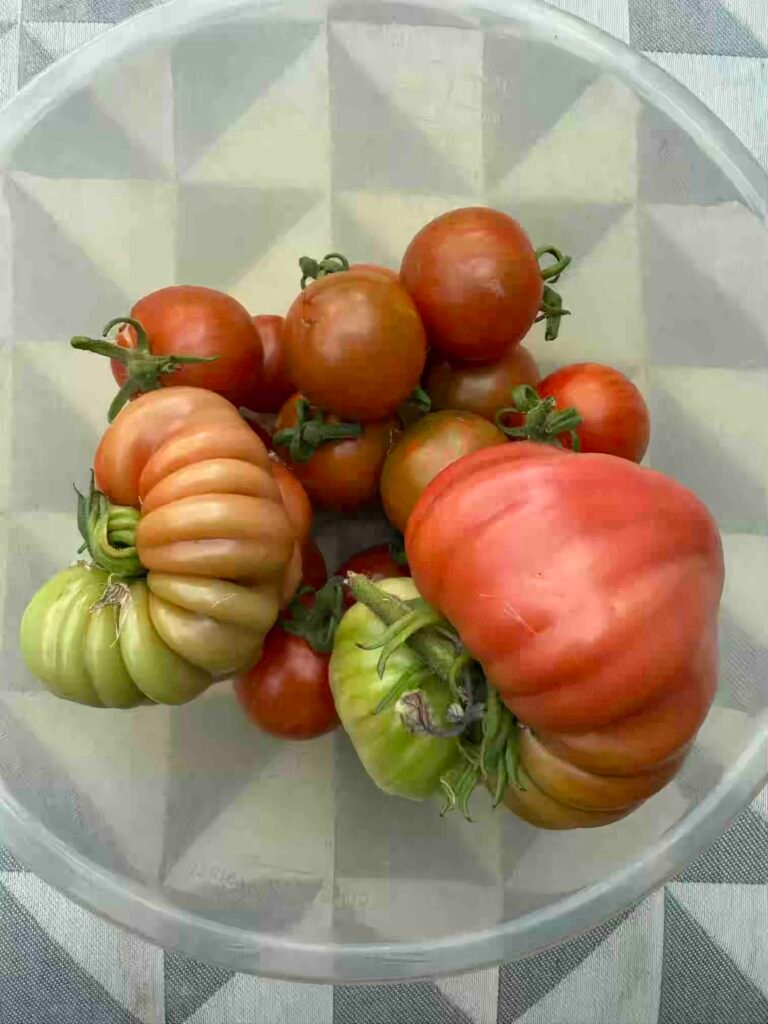
Grow Garden Vegetables without Chemicals FAQ:
Is BioGarden safe to use around kids and pets?
BioGarden is described as 100% natural and environmentally safe in the product information. Still, follow label hygiene advice, and store it safely like any garden product.
Can I use BioGarden in pots and raised beds?
Yes. It’s intended for home gardens and also for pot and greenhouse crops.
How often should I apply it?
Apply at sowing/planting, then once a month until harvest or end of fruiting (per label directions).
Will it stop pests?
It’s not a pesticide. However, healthier plants and microbe-triggered defence responses can sometimes reduce pest feeding or success, depending on conditions.
What vegetables can I use it on?
We used it on tomatoes, radish, turnip, peppers, courgettes, and beetroot. The product is positioned as suitable as a fertiliser support for vegetables and fruit in home gardens.
NEXT STEP
If you want to try the same simple routine we used, start with BioGarden at sowing, then repeat once a month at the label rate, and run a quick side-by-side test with a few untreated pots. If you’d like, MESSAGE US with what you’re growing (pots, raised beds, or allotment) and we’ll suggest a simple BioGarden plan that fits your space and season.