Nitrogen fixing bacteria help legumes turn atmospheric nitrogen into a usable form through a natural partnership in the root zone. However, this process only works well when the crop forms active nodules, the right bacteria are present, and the field does not hold the crop back with stress, poor pH, compaction, or excess available nitrogen.
That is why some legume crops look promising early on but still fail to fix nitrogen reliably. In this guide, we explain how nitrogen fixing bacteria work in legumes, what can stop them, how to check nodules in the field, and where FabaStym fits in a practical programme.
Quick Answer
Nitrogen fixing bacteria work in legumes by forming a partnership with the roots and creating nodules, where atmospheric nitrogen is converted into a plant-usable form. However, nitrogen fixation only performs well when the correct bacteria are present, nodules stay active, and the crop is not held back by stress, poor soil conditions, or too much available nitrogen early on. Therefore, if you want better results from nitrogen fixing bacteria, you need to look at inoculation, nodulation, root health, and field conditions together.

KEY FACTS
Main role: Nitrogen fixing bacteria help legumes access nitrogen through active root nodules.
Main benefit: Better natural nitrogen supply and a stronger legume effect in the rotation.
Most common failure points: Wrong bacteria, weak nodulation, poor pH, cold or dry seedbeds, compaction, excess soil nitrogen, and seed-treatment conflicts.
Fastest field check: Dig plants, find nodules, and cut them open. Pink or red nodules are usually active. White or green nodules are usually inactive.
What growers often miss: A legume crop can look acceptable above ground while nitrogen fixation stays weak below ground.
Where biology fits: Nitrogen fixing bacteria help most when early root colonisation is strong and the crop avoids stress around establishment.
Why this matters on farm: When nitrogen fixing bacteria do not perform well, the crop fixes less nitrogen and the value of the legume break drops.
How Nitrogen Fixing Bacteria Work in Legumes
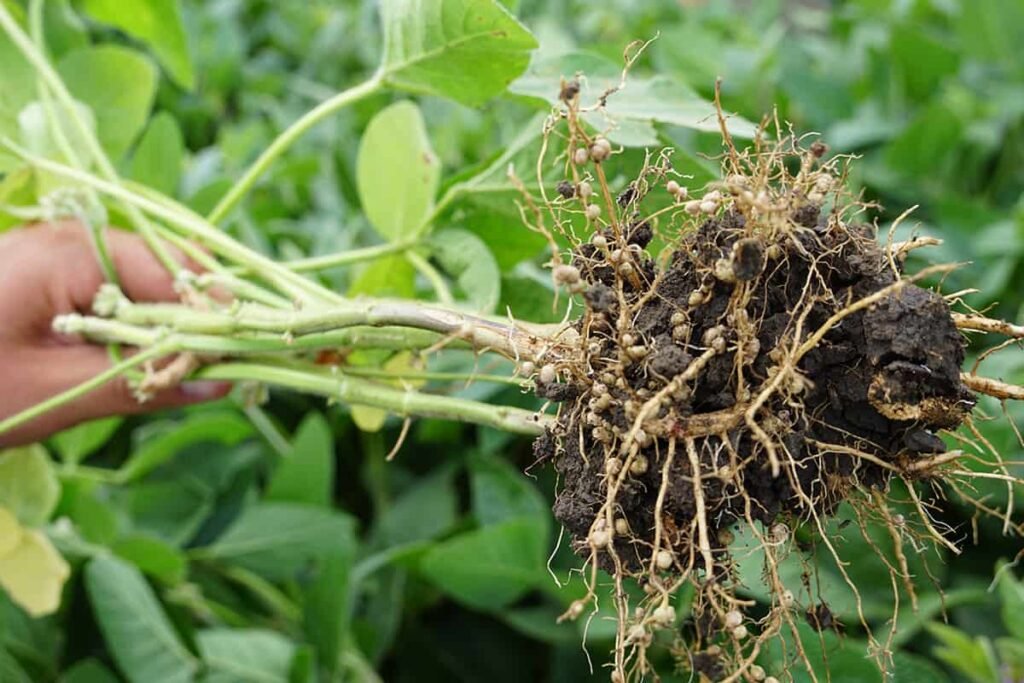
Nitrogen fixing bacteria help legumes access nitrogen through a close partnership in the root zone. First, the legume releases signals from its roots. In response, compatible rhizobium bacteria move towards the root and begin the infection process. Then, the plant forms nodules, which are small structures on the roots where the bacteria can live and work.
- Inside those nodules, nitrogen fixing bacteria convert atmospheric nitrogen into a form the plant can use. As a result, the crop relies less on bagged nitrogen and can build stronger growth more naturally. In return, the plant feeds the bacteria with sugars made through photosynthesis. So, this is not a one-way process. Instead, it is a live exchange between the crop and the microbes.
However, this partnership only works well when the right bacteria are present
Different legumes need the correct rhizobium partner. Therefore, crop choice, inoculation, and field history all matter. If the right bacteria are missing, nodules may not form properly. Likewise, if nodules form but stay inactive, the crop still will not fix nitrogen well.
- Active nodules are the real engine of the process. When they are working well, they are usually pink or red inside. That colour shows that nitrogen fixation is happening. By contrast, white or green nodules are usually inactive or weak. So, growers should not just ask whether nodules are present. They should also ask whether those nodules are actually working.
In practical terms, nitrogen fixing bacteria help legumes in three main ways. First, they support natural nitrogen supply during crop growth. Secondly, they can improve crop performance without relying only on synthetic fertiliser. Finally, they can leave a stronger nitrogen benefit for the following crop in the rotation. Because of that, good nodulation can improve both the current crop and the wider farm system.
If you want the wider biology behind this, our Soil microbes for farming guide explains what each beneficial species does and when it helps.

Why Nitrogen Fixing Bacteria Fail in the Field
Nitrogen fixing bacteria can bring real value in legumes. However, they do not perform well in every field. In most cases, failure happens because one or more conditions hold the system back. Therefore, if fixation looks weak, it is important to check the whole picture rather than blame one factor too quickly.
- One common reason is the wrong rhizobium strain. Different legumes need the right bacterial partner. So, even if bacteria are present, they may not be the right ones for that crop. As a result, nodules may be poor, patchy, or missing altogether.
- Another common issue is weak inoculation or poor bacterial survival. For example, the inoculant may have been stored badly, applied unevenly, or damaged by heat, dryness, or incompatible seed treatments. In that case, nitrogen fixing bacteria may never get a fair start. Consequently, the crop begins with less biological support than expected.
- Soil conditions also matter a great deal. If the seedbed is cold, dry, compacted, or poorly structured, root growth slows down. Then, the contact between roots and microbes becomes less reliable. In addition, low or unsuitable pH can reduce rhizobium survival and make nodulation less effective. Because of that, even a well-planned inoculation can underperform in the wrong field conditions.
Excess available nitrogen can also reduce the value of nitrogen fixing bacteria
If the crop finds plenty of easy nitrogen in the soil, it has less reason to invest in active nodules. Therefore, the plant may rely more on soil nitrogen and less on fixation. Above ground, the crop may still look acceptable at first. However, below ground, the biological system may be doing far less than hoped.
Nutrient balance is another part of the picture. Low phosphorus or potassium can limit root growth, energy transfer, and nodule performance. So, the crop may have bacteria present, yet still fail to fix nitrogen efficiently. Likewise, stress from waterlogging, drought, or pest damage can weaken the whole root zone. As a result, nitrogen fixing bacteria lose the stable environment they need.
Finally, many growers judge the crop only from the canopy. However, poor fixation is often a below-ground problem first. That is why root digs matter so much. When you dig plants, find nodules, and cut them open, the field usually tells you far more clearly what is happening. Therefore, the best way to improve results is to diagnose first, then fix the real limiting factor.
If tight layers or poor rooting are part of the problem, our Soil compaction in fields guide is worth reading too, because weak root growth often sits underneath poor nodulation.

Why the Right Inoculant Strain Matters
Nitrogen fixing bacteria only work well in legumes when the crop meets the correct rhizobium partner. In other words, legumes do not respond to just any bacteria. Instead, each crop needs the right inoculant strain if you want strong nodulation and reliable nitrogen fixation. Extension and NRCS guidance are very clear on this point: using the appropriate rhizobial inoculant for the legume species helps maximise nitrogen fixation, while using the wrong one can leave nodules weak, patchy, or missing altogether.
This matters even more where that legume has not been grown in the field recently. In that situation, the soil may not contain enough of the correct rhizobia, even if it contains plenty of other soil microbes. Therefore, growers should not assume the field already has the biology it needs. Instead, inoculation becomes a practical way to give the crop the right bacterial partner at the right time.
Choosing the right strain is only part of the job
However, choosing the right strain is only part of the job. Inoculants are living organisms, so handling also matters. For that reason, they should be stored and applied exactly as recommended, protected from heat and direct sunlight, and used while still viable. Likewise, growers should not use an inoculant if the legume species is not listed on the pack or in the manufacturer guidance. Otherwise, the crop may establish without the effective nodulation needed for strong nitrogen fixation.
So, the key message is simple: nitrogen fixing bacteria perform best when crop choice, inoculant strain, timing, and handling all line up. When they do, nodulation is more likely to be strong and active. By contrast, when the wrong inoculant is used, or the right one is handled badly, the whole system can underperform before the crop has a fair chance to fix nitrogen.
If you want the crop-specific background in more detail, our Rhizobium guide explains why legumes need the right bacterial partner, not just any bacteria.
When Inoculation Is Most Worth It
Nitrogen fixing bacteria can help legumes a great deal. However, inoculation matters most when the field may not already hold enough of the correct rhizobia. Therefore, the first question is not just “Am I growing a legume?” but also “Will this field give that legume the right bacterial partner at the right time?”
When the legume is new to the field
If you are growing that legume in the field for the first time, inoculation becomes especially important. In that situation, the soil may not contain enough of the correct rhizobia to support strong nodulation. So, rather than leave nodulation to chance, it makes sense to inoculate early and give the crop a better biological start.
When it has been several years since the last legume
Inoculation is also worth serious thought when that legume has not been grown for several years. Even if rhizobia were present in the past, their numbers may have dropped below a useful level. As a result, nodulation can become weaker and less reliable than expected.
When soils are acidic
Acidic soils can reduce rhizobium survival and make nodulation less effective. Therefore, inoculation matters even more where pH is low or where pulses already struggle to establish evenly. In those fields, good inoculation helps, although it still cannot replace the need to manage the acidity itself.
When sowing conditions are difficult
Dry seedbeds, cold starts, and tight soil conditions can all make life harder for nitrogen fixing bacteria. Because of that, inoculation becomes more valuable where establishment conditions are less forgiving. In other words, the more pressure the crop faces early on, the more important it becomes to give the biology a fair chance.
When you want more confidence in the legume break
Sometimes the main value of inoculation is not just the current crop. Instead, it is the confidence it gives you in the whole legume phase of the rotation. If nodulation works well, the crop can contribute more biological nitrogen and leave a clearer benefit for the following crop. So, inoculation often pays back through better reliability, not just through one visible response.
Diagnosis Table: What Nitrogen Fixing Bacteria Are Telling You in the Field
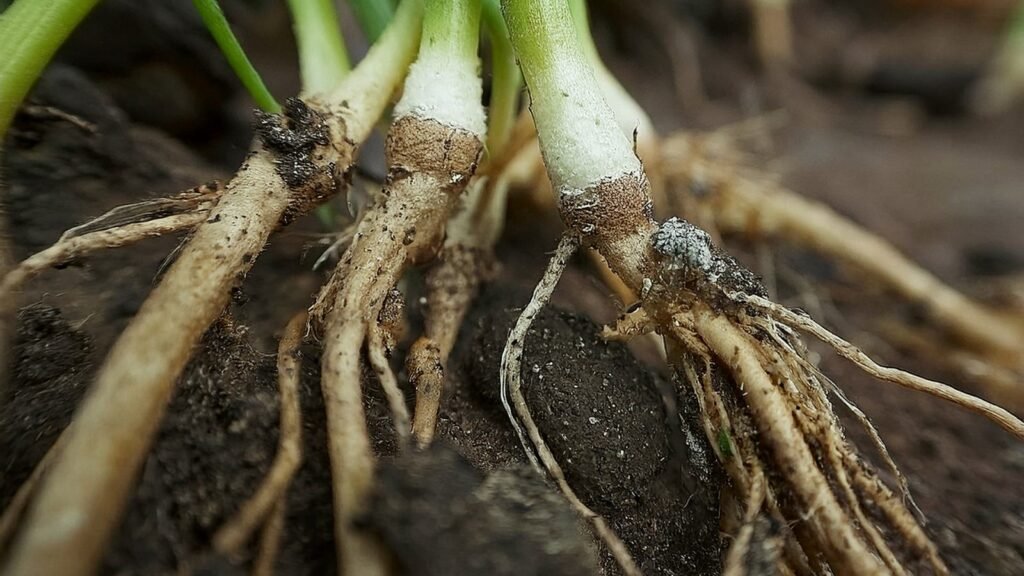
Nitrogen fixing bacteria do not usually fail for one reason alone. Instead, the pattern in the field often points to the real limiting factor. For example, active nodules are usually pink or red inside, while white, grey, or green nodules are usually inactive. Likewise, high available nitrogen can reduce nodule formation, low pH can reduce rhizobium survival, and the wrong inoculant strain can leave legumes with weak or missing nodules. Therefore, it is worth digging plants properly and comparing different areas of the field before changing the programme.
| What you see | Likely cause | What to check | Practical next step |
|---|
| Few or no nodules | Wrong rhizobium strain or weak inoculation | Crop type, inoculant choice, field history, seed coverage | Recheck that the inoculant matches the legume and review how it was applied |
| Nodules are present but white, grey, or green inside | Nodules formed, but nitrogen fixation is weak or inactive | Cut nodules open and compare colour across several plants | Investigate stress, poor rhizobium activity, or excess available nitrogen |
| Good top growth but poor nodulation | Soil nitrogen is too available, so the crop is relying less on fixation | Recent manure, fertiliser history, soil mineral N, starter N use | Avoid pushing more early N and reassess whether the crop is investing in nodules |
| Patchy nodulation across the field | Soil stress, uneven moisture, or compaction | Headlands, wheelings, wet spots, dry ridges, root depth | Dig roots across good and poor patches and compare soil structure |
| Small nodules only near the crown | Early contact happened, but nodulation did not develop strongly | Root spread, lateral roots, moisture, seedbed conditions | Improve early root-zone conditions and check whether the bacteria stayed viable |
| Yellow crop with weak growth and poor nodules | Nodulation is weak and the crop is short of usable nitrogen | Leaf colour, plant vigour, nodule number, nodule colour | Confirm whether fixation is working before reacting with more fertiliser |
| Legume was inoculated, but nodulation is still poor | Inoculant survival was reduced by heat, drying, or incompatible treatment | Storage, handling, application timing, seed-treatment compatibility | Tighten inoculant handling and avoid conditions that damage live bacteria |
| Nodulation is poor on acidic ground | Rhizobium survival and activity reduced by low pH | Soil pH, lime history, field zones with poorer growth | Test pH properly and correct acidity where needed |
| Strong crop stand but weak fixation benefit later | Nodules formed, but they are not staying active long enough | Active versus inactive nodule counts through the season | Monitor nodules at several timings, not just once |
| Crop looks mixed, with some plants fixing and others not | Uneven biology, seed placement, or soil conditions | Plant-to-plant nodulation, seed depth, moisture, residue, structure | Compare establishment quality and look for the pattern behind the inconsistency |
In other words, do not judge nitrogen fixing bacteria from canopy colour alone. Instead, dig plants, open nodules, and compare field zones, because the root system usually shows the real answer first. If fixation still looks unreliable, our Poor nodulation in legumes guide helps you separate weak inoculation, inactive nodules, pH issues, and field stress.
How to Check Nodulation in the Field
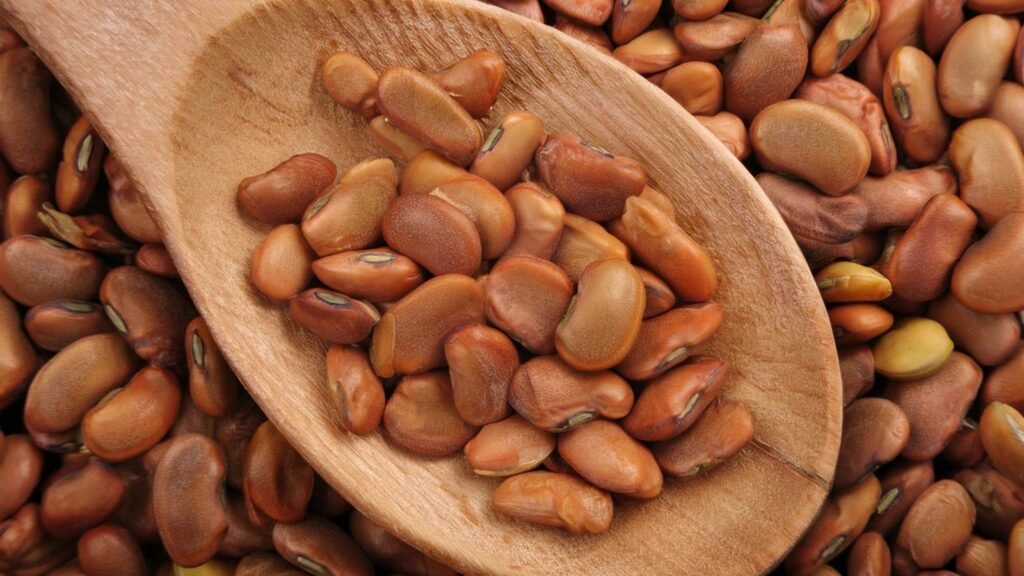
If you want to know whether nitrogen fixing bacteria are really working, you need to check the roots, not just the canopy. Although leaf colour can give a clue, it does not tell you whether nodules are present or whether they are active. Therefore, the best approach is to dig plants carefully, inspect the roots, and open a few nodules to see what is happening inside.
Start by checking more than one area
First, choose several points across the field. For example, check a stronger area, a weaker area, and any obvious patchy zone such as wheelings, wet spots, or lighter ground. This matters because one small sample rarely tells the full story. Instead, you want to compare patterns across the field.
Lift plants carefully
Then lift whole plants with a fork or spade rather than pulling them by hand, because nodules can tear off very easily. After that, shake or wash the soil away gently so you can see the crown roots and lateral roots properly. This gives you a much clearer picture of what is happening below ground.
Count nodules and cut them open
Next, count the nodules on each plant and look at where they sit. In many legumes, good nodulation means nodules are not just present near the crown, but also developing on the lateral roots. Then cut several nodules open with a knife or fingernail. If the inside is pink or red, the nodule is usually active and fixing nitrogen. By contrast, if it is white, grey, or green, fixation is usually weak or inactive.
Compare good and poor patches
However, do not stop at one plant. Instead, check several plants in each zone and compare the pattern. If one part of the field has plenty of active nodules and another has very few, that usually points to a field-condition problem such as compaction, poor moisture, acidity, or uneven inoculant survival. Likewise, if the crop looks green but nodules are weak, the plant may be relying more on available soil nitrogen than on fixation.
Record what you find
As you check the crop, record a few simple notes. Write down nodule number, nodule colour, plant vigour, field zone, and any likely pressure such as dry soil, tight ground, or recent starter N. Because of that, your next decision becomes much easier. Instead of reacting blindly, you can see whether the real issue is missing bacteria, inactive nodules, poor root conditions, or too much easy nitrogen in the system.
Focus on activity, not just presence
So, the goal is not just to ask, “Are there nodules?” The better question is, “Are the nodules active, evenly distributed, and supporting the crop properly?” Once you know that, you can judge whether nitrogen fixing bacteria are doing their job or whether something in the field is holding them back.
Where FabaStym Fits in a Practical Programme
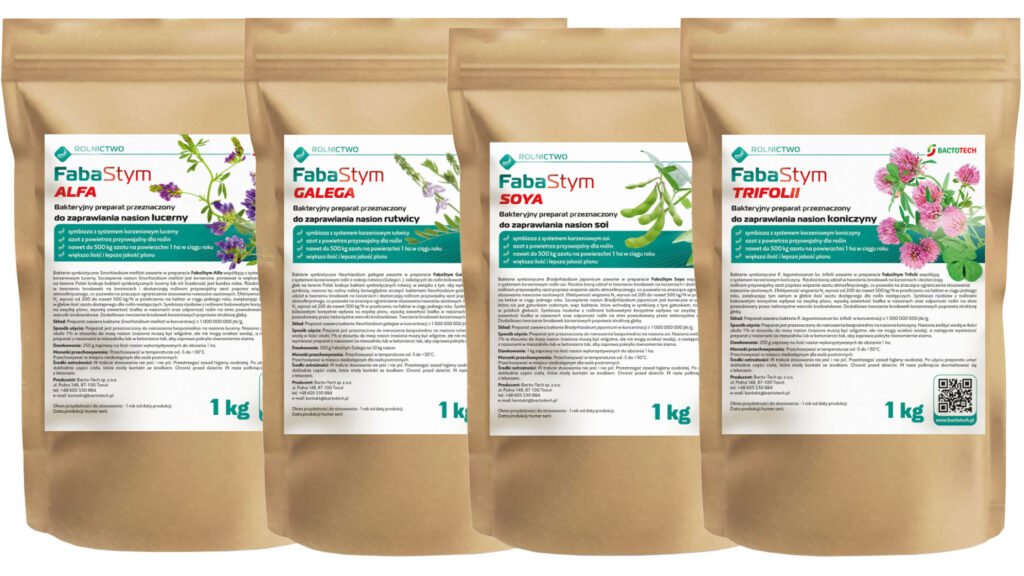
Nitrogen fixing bacteria work best when they are present early, placed correctly, and protected from avoidable stress. Therefore, FabaStym fits best at the start of the crop, not as a late rescue. On the live product page, FabaStym is presented as a microbiological biopreparation for seed and soil treatment of legume crops, with formulations for different legume groups. In addition, the guidance says it can be applied directly to seed or used for soil inoculation before sowing.
Use it early, not late
First, think about timing. If you want nitrogen fixing bacteria to support nodulation well, they need to meet the crop early. So, the most logical place for FabaStym is around sowing, when roots are just establishing and the crop is starting that symbiotic relationship. By contrast, waiting until the crop is already under pressure usually gives the biology less chance to shape the outcome.
Fit it into seed or soil preparation
FabaStym is designed to fit into practical establishment work. According to the product guidance, the range is intended for direct seed treatment or for soil inoculation before sowing. Therefore, this is not a product that should sit outside the drilling plan. Instead, it should be built into the crop establishment programme from the start.
Match the formulation to the legume
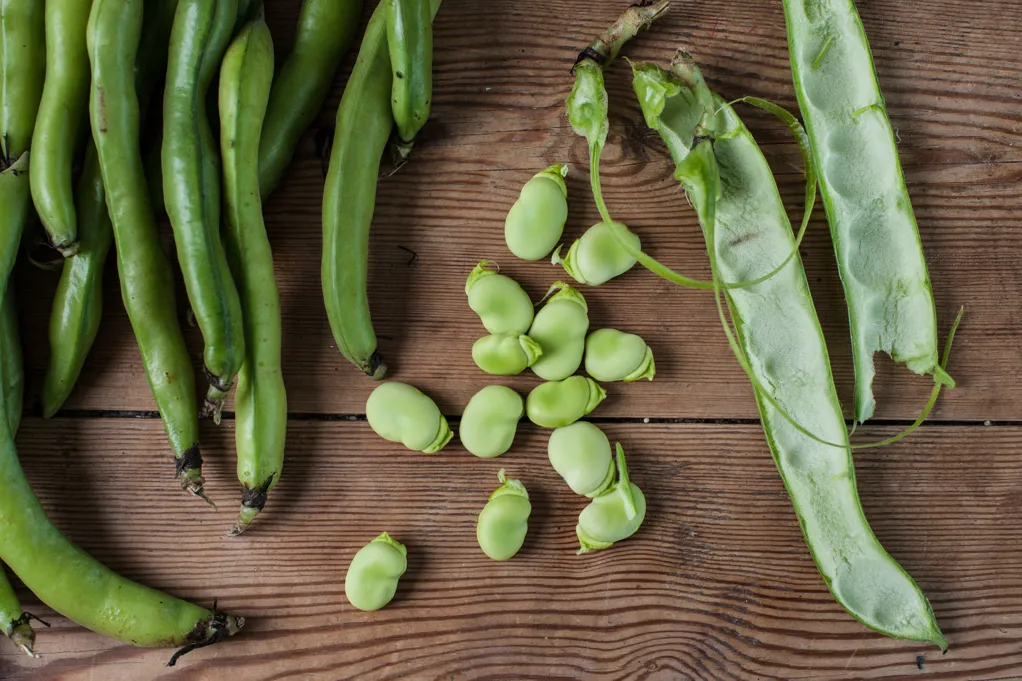
Different legumes need the right bacterial partner. Therefore, one important part of the programme is choosing the correct FabaStym formulation for the crop. The product page lists separate options for peas, field beans, broad beans, lentils and vetches, as well as versions for lupin, soy, lucerne, clover and galega. So, the practical question is not only “Should I inoculate?” but also “Am I using the right formulation for this legume?”
Build it around good establishment
However, FabaStym should not be treated like a shortcut around poor field conditions. It fits best where seed placement is sound, the seedbed is workable, and early root growth is not being held back by obvious compaction, acidity, or severe stress. In other words, biology works best when the crop has a fair start. So, if nodulation is poor, it still makes sense to check the wider system as well, not just the product choice.
Keep handling clean and practical
Because FabaStym is a live microbiological product, practical handling still matters. The product page says seed should be moistened lightly, mixed so the treatment coats evenly, and, where used as a soil inoculant, applied in water before sowing. Therefore, even a good product needs a tidy application process if you want consistent field performance.
Think of it as part of reliability, not hype
So, where does FabaStym fit best? It fits as an early biological step in a legume programme that aims to improve the chances of strong nodulation, better nitrogen fixation, and more reliable crop performance. In addition, it fits best when it is used alongside the basics that still matter: the right legume, the right formulation, decent field conditions, and a proper nodulation check later in the season. That is a much stronger farm decision than treating nitrogen fixing bacteria as a magic fix.
You can also explore the full FabaStym range for legume crops if you want to match the formulation to the legume more precisely.

Common Mistakes With Nitrogen Fixing Bacteria
Nitrogen fixing bacteria can work very well in legumes. However, small mistakes early on can weaken the whole system. Therefore, if nodulation disappoints, it is worth checking the basics before assuming the biology itself failed.
Using the wrong inoculant for the crop
One of the biggest mistakes is using the wrong inoculant group for the legume. Different legumes need different rhizobia partners. So, if the crop and the inoculant do not match, nodulation may be poor, patchy, or missing altogether.
Exposing inoculant to heat or sunlight
Rhizobia are living organisms, so rough handling can damage them quickly. For example, heat, direct sunlight, and poor storage can reduce viability before the inoculant even reaches the seed. As a result, the product may go on, but the field response may still disappoint.
Letting seed treatments damage the biology
Some seed-treatment actives can harm rhizobia if the process is not managed carefully. Therefore, it is important to check compatibility, follow the recommended order, and avoid leaving treated seed sitting too long before sowing. Otherwise, the bacteria may lose strength before they ever reach the root zone.
Waiting too long after inoculation
Timing matters as much as product choice. If inoculated seed sits too long before sowing, the bacteria can dry out or lose viability. So, once you inoculate, it usually makes sense to keep the drilling plan moving and avoid unnecessary delay.
Assuming nodules are active just because they exist
Another common mistake is seeing nodules and assuming everything is working. However, the real question is whether those nodules are active. That is why growers should cut nodules open and check the inside colour rather than relying on presence alone.
Judging the crop from the canopy only
A crop can look fairly green while nitrogen fixation still works poorly below ground. Therefore, canopy colour should never be the only guide. Instead, root digs, nodule checks, and field comparisons usually tell the real story much earlier.

Nitrogen Fixing Bacteria – FAQs
What are nitrogen fixing bacteria?
Nitrogen fixing bacteria are microbes that help legumes use atmospheric nitrogen through a partnership in root nodules. In legumes, this job is mainly done by rhizobia, which live inside the nodules and convert nitrogen into a plant-usable form.
Do all legumes need inoculation?
Not always. However, inoculation is often important when the correct rhizobia are absent, low in number, or not reliable enough in the field. This matters especially where that legume has not been grown recently, because the soil may not hold the right bacterial partner in useful numbers.
How do I know if nitrogen fixing bacteria are working?
The best way is to dig plants, inspect the roots, and cut nodules open. Although canopy colour can give a clue, it does not prove that fixation is working. Therefore, root checks are far more useful than visual guesses alone.
What colour should active nodules be?
Active nodules are usually pink or red inside. By contrast, white, grey, or green nodules are usually inactive or weak. So, if you want to judge whether nitrogen fixing bacteria are doing their job, nodule colour is one of the quickest checks in the field.
Can too much nitrogen reduce nodulation?
Yes, it can. If the crop finds plenty of easy nitrogen in the soil, it often invests less in nodules and fixation. As a result, the crop may look acceptable above ground while the biological nitrogen-fixing system is doing less than expected.
Does soil pH affect nitrogen fixing bacteria?
Yes. Soil pH can affect rhizobium survival, nodulation, and overall nitrogen fixation. Therefore, if the field is too acidic or otherwise chemically restrictive, the crop may struggle to form strong, active nodules even when inoculation was done correctly.
Can nitrogen fixing bacteria replace nitrogen fertiliser completely?
Not in every situation. Under the right crop and field conditions, legumes can contribute large amounts of biologically fixed nitrogen. However, the result still depends on the correct bacteria, active nodules, suitable soil conditions, and low enough stress for the system to keep working well.
Where does FabaStym fit in the programme?
FabaStym is designed for seed treatment or soil inoculation before sowing legume crops, so it fits best as an early biological step rather than a late rescue treatment. In addition, the product range includes different formulations for different legume groups, which matters because nitrogen fixing bacteria work best when the crop matches the right bacterial partner.
Can I judge nitrogen fixation from crop colour alone?
No, not reliably. A crop can look fairly green while nodulation is still weak, especially if soil nitrogen is masking the problem. Therefore, it is much safer to dig plants and check nodules properly before making conclusions about how well nitrogen fixing bacteria are performing.
What is the biggest mistake growers make with nitrogen fixing bacteria?
One of the biggest mistakes is assuming that nodules are working just because they are present. Another is assuming that any inoculant will do for any legume. In practice, activity, crop fit, field conditions, and handling all matter, so a quick below-ground check usually tells you more than a quick look across the canopy.
What FabaStym Can Help You Support on Farm
When you match nitrogen fixing bacteria to the right legume and use them well, they can help you build more reliable nodulation. Therefore, FabaStym does more than add another input. Instead, it gives the crop a better chance to build an active partnership with the right rhizobia early in the season.
1) Support stronger early nodulation
Use FabaStym at the start of the crop, when legumes need the right bacteria in the right place. As a result, you can support earlier and more reliable nodulation when crop fit, handling, and field conditions all line up.
2) Support biological nitrogen fixation more reliably
When nodules form well and stay active, legumes can rely more on biologically fixed nitrogen. However, the crop still needs the right inoculant, active nodules, and field conditions that do not hold it back with stress, acidity, or excess available nitrogen. So, FabaStym works best as part of a system that supports that process, not as a replacement for the basics.
3) Strengthen the legume phase of the rotation
A well-nodulated legume crop can do more than support itself. In addition, it can leave a stronger nitrogen benefit for the following crop. That is one reason inoculation matters even when the crop still looks reasonably healthy above ground.
4) Fit biology into establishment
FabaStym fits most naturally into seed or soil treatment before sowing. Therefore, build it into establishment rather than adding it later as a rescue. That also makes the programme easier to assess, because you can follow up with proper nodulation checks in the field.
5) Take a more biological approach with realistic expectations
When you use FabaStym well, you can support a more biological approach to legume establishment. However, it will not fix poor seedbeds, the wrong inoculant choice, or weak nodulation checks on its own. The strongest results still come when biology, field conditions, and practical management all line up.
Conclusion: Nitrogen Fixing Bacteria Work Best When You Get the Basics Right
Nitrogen fixing bacteria can bring real value to legume crops. However, they only perform well when the crop meets the correct rhizobium partner, forms active nodules, and grows in conditions that do not hold the system back. Therefore, the best results usually come when you get the basics right first: crop fit, inoculant choice, timing, handling, seedbed conditions, and proper nodulation checks.
That is where FabaStym fits. Use it as an early biological step in a practical legume programme, especially when you want to improve the chances of strong nodulation and more reliable nitrogen fixation. In other words, let it support good agronomy rather than replace it.
If you want better results from nitrogen fixing bacteria, do not stop at canopy colour alone. Instead, dig roots, cut nodules open, compare field zones, and build decisions from what the crop actually shows you below ground. Ready to trial FabaStym in your legume programme? Contact BactoTech UK for crop-specific advice, product guidance, and help setting up a practical on-farm comparison.
If your main goal is to cut bagged nitrogen more confidently, our Reduce nitrogen fertiliser use guide is the next practical read.