
If cold snap crop damage and dry start crops keep stalling fields after drilling, you’re not alone. However, you can change how plants react. By buffering stress early and supporting soil biology, you can prevent slow crop growth after drilling, protect tillers and keep canopies moving when the weather won’t.
Quick Answer
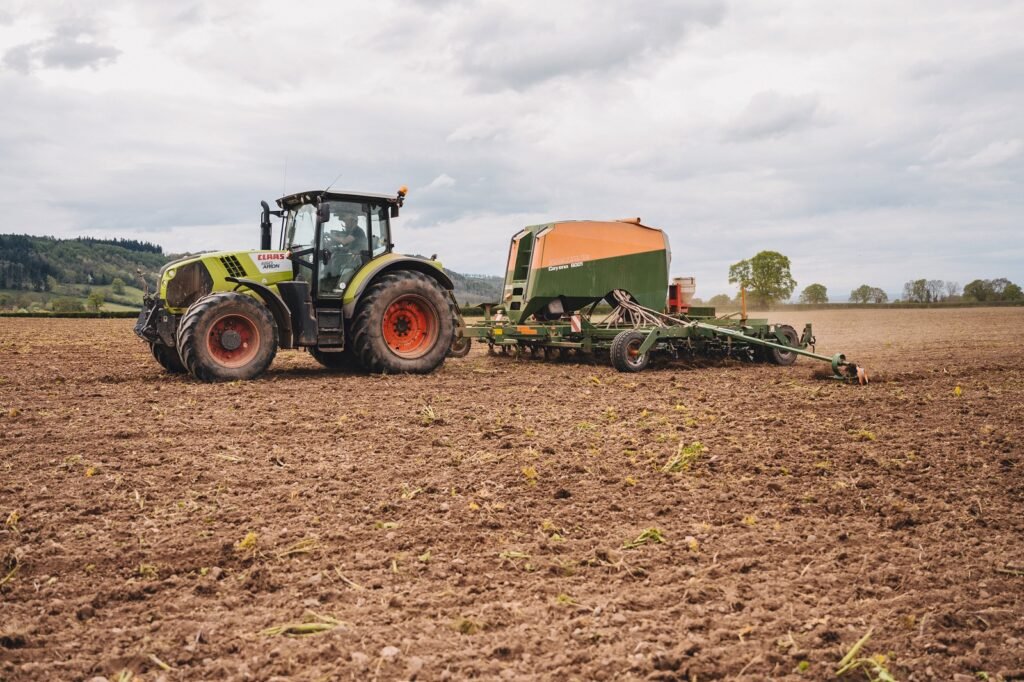
Cold snap crop damage is often a growth stall, not a crop failure. When soils turn cold (and seedbeds are dry), roots slow down, nutrient uptake drops, and the canopy stops moving. Therefore, check the growing point 3–5 days after the frost, then focus on rooting, moisture access, and steady recovery rather than chasing symptoms with extra nitrogen.
Cold Snap Crop Damage – KEY FACTS
Main sign: Growth “sticks” after drilling and the canopy stops building.
Most common drivers: Cold soils + dry seedbeds → slow roots and weak uptake.
First decision: Is the growing point/crown alive (green, firm), or damaged (brown, soft)?
Best timing: Assess properly 3–5 days after the frost, then look for green regrowth.
What to measure: Live plants/m², tillers/plant, root depth and root hairs, plus canopy “catch-up” over 7–14 days.
Cold Snap Crop Damage – check the growing point before you change the plan
Cold snap crop damage can look worse than it is. Leaves can bleach, scorch, or curl, and the crop can seem to stop overnight. However, leaf damage alone doesn’t tell you if the plant is finished. What matters is whether the growing point (or crown) is still alive.
For a reliable read, don’t assess too soon. Instead, check fields 3–5 days after the frost because symptoms need time to show properly. If the growing point is green and firm, the plant will usually recover. If it is brown, soft, or water-soaked, that plant is unlikely to come back. Use this quick field routine (10–15 minutes):
- Pick 3 zones: a “good” area, a cold bank/headland, and a lighter/drier patch.
- Lift plants: take a spade slice so you keep roots intact.
- Check survival: find the crown/growing point and look for firm, healthy tissue.
- Count live plants: do at least 5 checks for plants/m² (and note tillers if cereals).
- Check roots: look for fresh white tips and fine root hairs. Shallow, blunt roots usually mean uptake has stalled.
This step prevents two expensive mistakes. First, throwing inputs at a stand that is already too thin. Second, masking a cold-root problem with extra nitrogen when uptake is the real limiter. Once you confirm the crop is alive, the job is simple: remove what keeps it stuck, so growth can restart evenly across the field.
| What you see | Likely cause | What to check |
|---|
| Yellow/bleached leaves but plants still standing | Leaf scorch, not plant death | Split plants and check the growing point/crown 3–5 days later |
| Stuck growth in light land / banks | Cold + dry seedbed, shallow roots | Root depth, root hairs, and moisture at drilling depth |
| Patchy leaf stages across the bout | Uneven drilling depth/contact, variable moisture | Check seed depth across the bout + emergence counts (plants/m²) |
| Plants collapse or pull out easily | Crown/growing point damage | Split the crown: brown/soft tissue usually won’t recover |
| Crop “looks hungry” but fertiliser is on | Uptake limitation (cold roots) | Check root activity + look for new green regrowth within 7–14 days |
Further reading (trusted sources):
For crop growth stages and the most stress-sensitive phases, see the AHDB guide on key development stages in wheat. In addition, for practical ways to judge whether the crop is catching up, use AHDB’s cereal growth benchmarking guidance. Finally, for a clear “wait, then assess” approach after frost or chilling, use the CropWatch checklist on evaluating freeze injury.
Survival check (10 minutes)
1) Wait 3–5 days after the frost where possible.
2) Split plants and find the growing point/crown.
3) Green + firm = alive. Brown/soft = likely dead.
4) Count live plants/m² in 5–10 spots and note which zones are worst.
IF THIS SOUNDS FAMILIAR, YOU’RE IN THE RIGHT PLACE
If cold snap crop damage hits just as you drill into a dry start, the season can feel stuck early. However, you usually did not “do everything wrong”. In many cases, the weather simply turns a tidy plan into a messy one. Moreover, the crop can look stressed even when plant loss is low. As a result, timings drift and confidence drops.
Typically, it shows up like this:
• The crop emerges, but then it “sits still” and the canopy stays thin.
• Tillering is slow, so the field never quite fills out.
• Seedlings look drought-stressed, even when it is mainly wind and dry air.
• Leaves yellow or bleach after a frost, especially on exposed banks.
• Leaf stages spread out, therefore spray windows become awkward.
• Jobs bunch up, and you end up reacting rather than steering.
If you recognise that pattern, this guide will help you regain control. Next, we’ll break down what early cold and dryness do to roots and uptake, and why the crop often stalls before it ever “fails”.
Related guides (next reads):
→ Patchy emergence in crops: win the first 10 days
→ Shallow roots in crops: extend the root system for drier spells
→ Soil compaction in fields: rebuild structure and aggregation with biology
→ Reduce nitrogen fertiliser use: steadier supply, lower waste
→ Soil microbes for farming: what each species does and when it helps
Why early stress hurts (and what happens if you ignore it)
When soils run cold or dry, seedlings switch from growth to survival. Therefore, energy goes away from roots and leaves, and you lose tillers, leaf area and timing. As a result, nutrient use efficiency wobbles, spray windows narrow and yield potential slips.
If you try to ride it out without support, you risk:
- Fewer tillers and thinner canopies that never catch up.
- Shallow roots, weaker uptake and poorer drought tolerance.
- Stop–start growth, awkward spray windows and extra rework.
- Yield drag that only shows itself at harvest.

The fix: keep growth ticking with biology
Cold snap crop damage and dry starts are hard to “manage” with fertiliser alone, because the bottleneck is often slow roots and slow uptake. Therefore, the practical aim is simple: help the crop restart steady metabolism, balance root: shoot growth, and keep development moving when conditions dip.
A Bacillus-based biostimulant can support early stress buffering and recovery, so plants keep building roots instead of stalling. In addition, a soil biology boost can support structure and background nutrient cycling, so roots are less likely to hover in the dry surface layer or stop at a cap. As a result, the crop often regains momentum sooner and evens up across the drill width. On farm, this typically shows as:
• Faster “pick-up” after frost, wind, or a dry spell.
• Deeper, more active roots that reach moisture and scavengable phosphorus.
• More even leaf stages across the field, therefore spray timings are cleaner.
• A steadier canopy build with fewer nasty surprises later on.
Simple programme (drilling → 2–4 leaf → pre-stress)
1) At drilling / early emergence
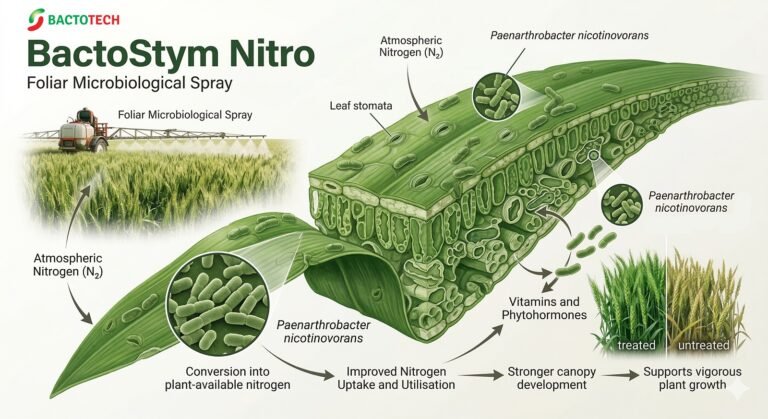
- BactoStym (foliar): first pass as soon as there’s leaf to hit.
- Aim for even coverage; follow the label (typ. 0.1% solution).
- Purpose: jump-start metabolism and root growth so drought stress seedlings are less likely.
2) 2–4 leaf (consolidate vigour)
- BactoStym (foliar): repeat ahead of a forecast cold snap or after visible check-stress.
- Keep bactericides out of the tank (e.g., copper products); consequently, biology stays active.
3) Background soil biology (optional but helpful)
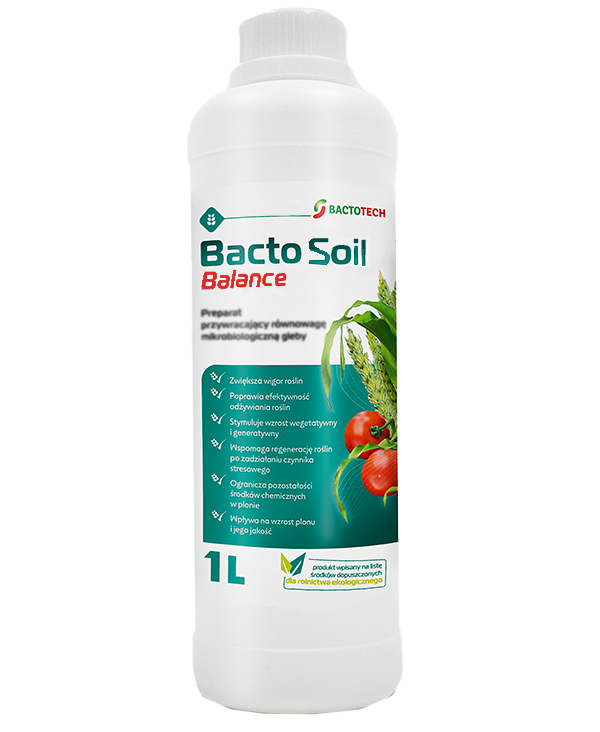
- BactoSoil Balance (soil): 1 L/ha in 200–400 L/ha water, 1–3×/season when moisture is present.
- Purpose: improve aggregation, microbial activity and nutrient cycling so roots keep pushing rather than hovering near the surface.
Good habits (these make the programme work)
- Small, regular doses beat occasional “rescues”.
- Time passes around showers where possible; therefore uptake improves.
- Check tank pH, water quality, and label compatibility.
- If in doubt, split the pass rather than forcing a risky tank mix.
What you should expect (typical reports)
- Establishment more even and tiller counts higher.
- Faster recovery after cold snap crop damage or a dry spell.
- Cleaner spray timings because growth is steadier.
- Calmer nutrition with fewer peaks and troughs.
Because every field differs, run a strip or block trial so the before/after is obvious and low-risk.
MEASURE IT (TURN “FEEL” INTO PROOF)
You can’t manage cold snap crop damage by guesswork. However, you can measure recovery in a simple way. Track the same checks for 4–8 weeks, therefore you can see whether growth is genuinely moving again.
Set it up (5 minutes)
Pick 5–10 fixed spots across the field (include a bank/headland and a “good” area).
Use the same meter-square method each time, and take photos from the same angle.
What to track (simple, farmer-proof)
• Live plants/m² and tillers/plant (same points every time).
• Root depth and root hairs (lift a few plants after each pass and compare).
• Leaf size and leaf feel (photo against a card/marker so it’s comparable).
• Canopy “catch-up” rate (how quickly leaf stages even up across the width).
• Canopy temperature with a handheld IR thermometer (note wind and sun, because both affect readings).
• NDVI/drone stills if you have them, to see canopy pace and patchiness over time.
• Rework minutes (retimed sprays, extra passes, and chasing growth-stage spread).
What good recovery looks like
Within 7–14 days you should see new green growth and tighter leaf stages.
Within 2–4 weeks you should see more active roots and a steadier canopy build.
If those markers do not move, then the limiter is still there, so you can target the real cause rather than adding inputs blindly.
Field tips: do’s & don’ts
Do
• Spray in decent conditions for leaf uptake. Moreover, aim for even coverage across the full bout.
• Keep water quality sensible (pH and salts), because biology performs best in a friendly tank.
• Pair with balanced nutrition, so a recovering crop is not forced to “run on empty”.
• Watch dry-start crops closely and time the second pass before stress lands, therefore growth does not stall again.
• Treat banks, headlands, and light soils as higher risk zones, and check them first.
Don’t
• Tank-mix with bactericides (for example copper-based products) or very hot, harsh mixes, because they can knock biology back.
• Assume one pass fixes everything. Stress often comes in waves, so timing matters.
• Chase leaf colour with extra nitrogen if roots are cold or shallow. Instead, fix the uptake limitation first.
• Skip measuring. Proof builds confidence and stops wasted spend on “hope” passes.

The products behind this programme
- BactoStym – microbial biostimulant (Bacillus ≥ 1×10⁹ CFU/ml in an amino-acid-rich carrier) that buffers cold snap crop damage, drought stress seedlings and early stress, supporting even emergence and strong tillering. Certified for organic use (IUNG-PIB).
- BactoSoil Balance – probiotic soil revitaliser (Bacillus ≥ 2×10⁹ CFU/ml), used 1–3×/season to support aggregation, biodiversity and steadier nutrient cycling so roots can push deeper. Certified for organic use (IUNG-PIB).
Compatibility & safety: Natural, non-GMO and free from animal-derived ingredients. Always follow labels and safety data; moreover, avoid close sequencing with bactericides.
Cold Snap Crop Damage FAQs:
Will this replace good drilling conditions?
No. Start right whenever you can. However, biology helps when conditions turn against you and recovery is slow.
How do I know if cold snap crop damage has actually killed the crop?
Check the growing point. If it is green and firm, the plant can regrow. If it is brown, soft, or water-soaked, it is unlikely to recover.
When should I assess frost damage properly?
Wait 3–5 days after the cold event if you can. Therefore, symptoms have time to show clearly and you avoid wrong decisions.
Can I mix this with liquid fertiliser?
Often yes. Nevertheless, check pH and salt load, and avoid bactericides in the same tank. When in doubt, split the pass.
Can I tank-mix with fungicides or herbicides?
Often yes, but be cautious with “hot” mixes. In addition, avoid bactericides (for example copper products), because they can reduce microbial performance.
Does it work on cereals and OSR?
Yes. The timings above suit cereals. Additionally, OSR often benefits at early true-leaf stages.
How soon will I see a difference?
Commonly within days to two weeks in leaf feel and root activity. Subsequently, canopy evenness shows as growth stages roll.
Should I add more nitrogen to push the crop on?
Not automatically. If roots are cold or shallow, uptake is the limiter. Therefore, focus on recovery and rooting first, then feed for growth once the crop is moving again.
What if the field is uneven, with one side moving and the other stuck?
Treat it as a diagnosis clue. Usually the “stuck” zones have colder soils, tighter structure, or less moisture. As a result, targeted checks and a simple trial strip are worth doing before changing the whole plan.
Can cold snap crop damage reduce yield even if the crop survives?
Yes. Even when plants survive, cold can stall roots and uptake, so the crop loses momentum. As a result, you can see fewer tillers, slower canopy build, and delayed development, which can still drag yield. The biggest yield hits usually happen when frost damages the developing ear/head around booting to heading/flowering, rather than just scorching leaves.
What should I check first: leaf colour, plant counts, or roots?
Start with survival, then move to counts and roots:
Growing point / crown first (green + firm = alive; brown/soft = trouble).
Plant counts next (plants/m² across good areas + banks/headlands).
Roots third (depth, white tips, root hairs, and whether roots are stuck in the dry surface).
Leaf colour comes last because it’s often cosmetic and can mislead you.
When is frost risk highest in cereals (by growth stage)?
Frost risk to yield is highest once the crop shifts into reproductive development – from stem elongation (around GS30/31) through booting (GS40s) and ear/head emergence (GS50s), peaking around heading/flowering (about GS61 in wheat) and shortly after. Earlier frosts can burn leaves, however they usually matter far less unless they damage the growing point.
Ready to keep growth ticking through stress?
Cold snap crop damage and dry starts are easier to manage when you have a simple plan and clear measurements. Therefore, tell us your soil type, drilling date, crop, and the field that worries you most.
→ Get your plan: Contact BactoTech UK
→ Learn more: BactoStym · BactoSoil Balance and SOIL COMPACTION IN FIELDS that those two products also help tackle.
Editorial note: This article provides general guidance. Always follow your product labels and local regulations. Last updated: March 2026.