If poor nodulation in legumes keeps turning a good legume crop into a near-miss, you’re not alone. However, the cause is usually easier to find than many growers think. In most fields, poor nodulation comes from a stacked problem rather than one single issue. Therefore, the best results come from checking the roots first, then fixing the pressure points in a practical order.
Quick Answer
Poor nodulation in legumes usually comes from one or more stacked issues: the wrong or weak rhizobium population, cold or dry seedbeds, compaction, low or unsuitable pH, nutrient imbalance, or too much available nitrogen early on. Therefore, the first job is to dig plants, cut nodules open, and check whether they are active before changing the fertiliser plan. Once the cause is clear, you can improve nodulation by protecting the right biology, reducing early stress, and avoiding practices that suppress fixation.
Key Facts
Main issue: Nodules are few, small, patchy, or pale, so nitrogen fixation is unreliable.
Most common causes: Poor rhizobium survival, low pH, dry or compacted seedbeds, seed-treatment incompatibility, low P or K, and excess available N.
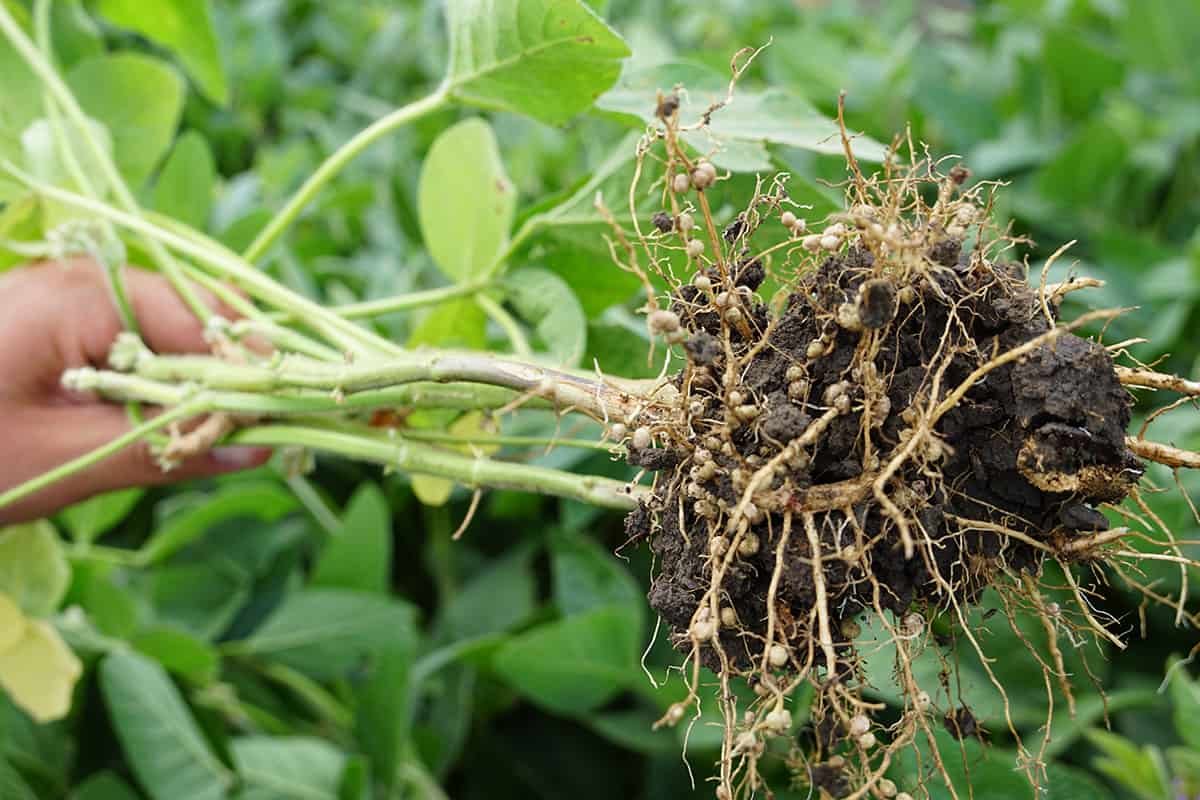
Fastest field check: Dig plants carefully and cut nodules open. Pink or red nodules are usually active. White or green nodules are usually inactive.
What poor nodulation costs: Uneven canopies, more guesswork on top-up N, and a weaker rotation benefit for the next crop.
Where biology fits: Biology helps most when you protect compatible microbes early and reduce root-zone stress.
If this sounds familiar, you’re in the right place
Before finding the real cause, many growers feel:
- Frustrated by plants with few, small or pale nodules, while others look fine.
- Tired of thin, yellowish patches that never quite catch up.
- Unsure whether to top up with N and risk dulling fixation further.
- Pressed for time when seed treatments, weather and drilling windows collide.
Meanwhile, the promise of “free N” becomes guesswork. As a result, the crop underperforms, the following cereal benefits less, and confidence slips.
Why poor nodulation in legumes happens
Several issues often stack up at once.
1) Weak or missing rhizobium population
Without the right rhizobium partner, roots and bacteria do not pair properly. Therefore, nodules stay small, patchy, or absent. This is more likely where inoculation is missing, poorly matched, poorly stored, or badly timed. If you want the species-level background behind this, see our Rhizobium guide and our Soil microbes for farming guide.
2) Cold, dry or compacted starts
Under stress, roots signal less effectively. Consequently, infection threads form more slowly and nodulation becomes uneven. This is why cold snaps, dry seedbeds and tight layers often sit behind patchy results. If wheelings or tight ground are involved, our Soil compaction in fields guide is worth reading too.
3) Seed treatment compatibility
Some fungicides, copper products or bactericidal actives can knock back rhizobia on the seed. As a result, early colonisation stalls before the crop has a fair start. That does not mean seed treatment is always wrong. It means compatibility and sequencing matter.
4) Soil pH
At low pH, rhizobium survival and infection suffer. Meanwhile, high pH can limit phosphorus and some trace elements that support nodulation. Therefore, a pH issue can reduce fixation directly and indirectly at the same time.
5) Nutrient context
Low phosphorus or potassium can limit nodulation even when the seedbed looks decent. Nodules need energy, roots need to explore, and the crop needs a balanced base. If you suspect nutrient availability is part of the problem, our Phosphorus lock-up in soil guide helps connect the dots.
6) Residual or early nitrogen
High available N tells the plant it does not need to invest as much in fixation. Therefore, nodules may stay inactive or underdeveloped. This is one reason a legume can look greener than expected at first, yet still fail to deliver a strong fixation benefit later.
7) Pest pressure
Pea and bean weevil larvae can feed on nodules. Consequently, fixation drops in patches and the crop can lose momentum quickly.

Poor nodulation in legumes – diagnosis table: what the field is telling you
| What you see | Likely cause | What to check |
|---|
| Few nodules across the field | Weak or missing rhizobium population | Inoculant choice, handling, expiry date, seed coverage |
| Nodules only near the crown, not on laterals | Early inoculation worked, but field biology stayed weak | Root distribution, moisture, soil structure |
| White or green nodules | Inactive fixation | Cut nodules open and compare active vs inactive |
| Yellow, uneven patches | Stress or nutrient limitation | Soil pH, P, K, compaction, moisture |
| Good top growth but poor nodulation | Residual or early N too high | Recent N history, manure, starter N, soil mineral N |
| Patchy nodulation on headlands or wheelings | Compaction or poor seedbed conditions | Root digs, smearing, sidewall compaction |
| Nodules damaged or hollowed | Pest pressure | Pea and bean weevil monitoring and field history |
In other words, do not assume every pale legume crop has the same problem. The field pattern usually tells you where to start.
How to check nodulation properly
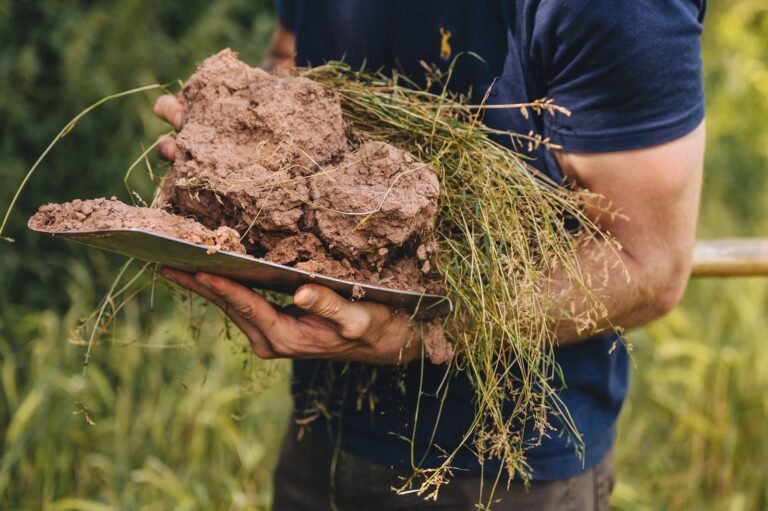
Lift plants with a fork or spade rather than pulling them, because fine roots and nodules tear off easily. Wash soil away gently if needed. Then count nodules on both the crown and lateral roots. Cut several open with a knife. Pink or red nodules are usually active, while white or green nodules are usually inactive. Record what you find at three to five points across the field so you can compare good and poor patches properly.
The fix: The fix: protect early biology, reduce stress, verify on farm
Two steps make nodulation more reliable.
- First, protect the right biology early so compatible microbes meet the seedling quickly.
- Second, reduce the conditions that suppress fixation, especially stress, pH problems, poor seedbed structure, and excess available N.
On farm, this usually shows up as more plants with active nodules, a more even canopy, fewer mid-season fire-fighting decisions, and a clearer rotation benefit for the following crop.
Simple programme (seed/early root → in-season → checks)
1) Seed / early root support
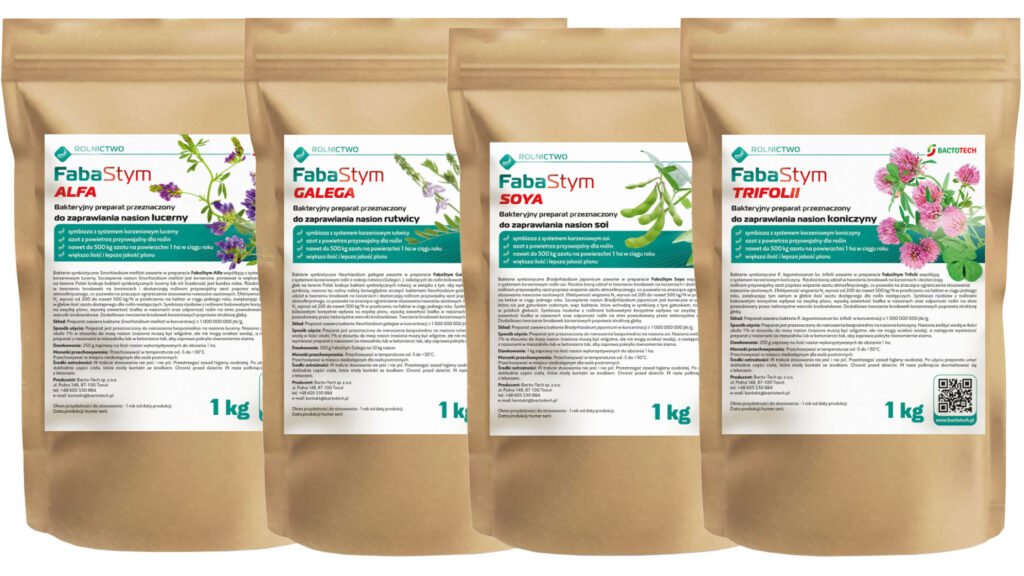
- Use FabaStym at seed or in-furrow to support early root activity and early microbial colonisation.
- Aim for even coverage of the seed or seed zone.
- Check seed-treatment compatibility before mixing or sequencing passes.
- Where bactericides or copper products are involved, leave a sensible buffer so beneficial microbes are not knocked back immediately.
2) In-season support
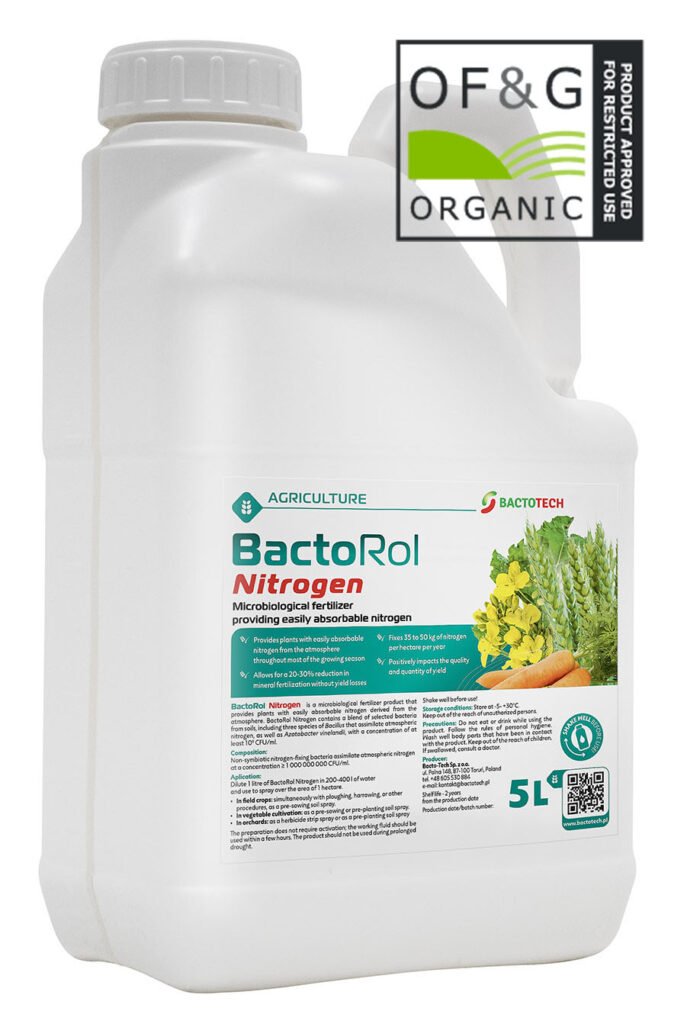
- Use BactoRol Nitrogen at the key growth stages where you want steadier background nitrogen dynamics around the root zone.
- The aim is not to replace strain-specific rhizobium inoculation. The aim is to support crop performance without leaning too hard on bagged N that can dull fixation.
- Check water quality, especially pH and salts, and keep bactericidal products out of the tank.
3) Field checks and simple records
- Count nodules per plant on both the crown and laterals.
- Cut a few nodules open. Pink or red usually means active. White or green usually means inactive.
- Note leaf tone, plant height, patchiness, and whether poor nodulation follows headlands, wheelings, wet spots or dry ridges.
- Keep a one-page log with date, product, rate, weather and observations.
Always follow product labels and safety data.
What to expect
Typical field reports are simple and practical:
- More nodules, and more active nodules.
- A more even canopy, with fewer thin yellow patches.
- Better hold through cold or dry dips.
- Less pressure for emergency nitrogen decisions.
- A clearer rotation benefit for the following cereal.
As a result, planning gets easier and the crop becomes less reactive to setbacks.
Measure it: turn “feel” into proof
- Track the crop for six to ten weeks and at the main growth stages.
- Count nodules per plant using 10 plants per point and three to five points per field.
- Record the percentage of active nodules.
- Check leaf colour at fixed points.
- Track plant counts and plant height for uniformity.
- Use tissue N if useful, and note any top-up N that was applied.
- Take root and canopy photos from the same points each time.
This turns a vague impression into something you can compare, repeat and improve next season.
Field tips: dos and don’ts
Do
- Drill into a decent seedbed, because roots come first.
- Time biology when some moisture is present.
- Use the right rhizobium inoculant where it is needed.
- Keep pH sensible and support P and K if they are low.
- Dig plants before reacting with more nitrogen.
Don’t
- Smother the crop with high early N, because residual N can suppress nodulation.
- Mix biology with bactericides or strong oxidisers.
- Assume nodules are active without cutting them open.
- Ignore compaction patterns across the field.
- Skip records, because evidence saves time and money.

The products behind this programme
- FabaStym supports nodulation and legume performance by helping roots and early microbial colonisation get off to a cleaner start.
- BactoRol Nitrogen combines Azotobacter vinelandii and Bacillus subtilis to support background nitrogen dynamics and rooting around the crop without relying only on heavy bagged N.
This programme supports reliability. It does not replace the need for the right strain-specific rhizobium inoculant where your crop and soil require one. If you want the broader legume-fixation context, also read our guide How Nitrogen Fixing Bacteria Boost Legume Yields Naturally.
Poor Nodulation in Legumes – FAQs
Are white nodules fixing?
Usually not. Cut a few open. Pink or red inside usually means active fixation. White or green usually means fixation is weak or inactive.
Should I still inoculate the seed with rhizobium?
Yes, where your crop and field require it. Rhizobium inoculation remains important. This programme is about making nodulation more reliable, not replacing crop-specific inoculants.
Can too much nitrogen reduce nodulation?
Yes. High available N can reduce the plant’s incentive to invest in nodules. As a result, fixation can become less reliable.
Does soil pH matter?
Absolutely. Low pH can reduce rhizobium survival and infection. In addition, pH problems can affect nutrient availability that supports nodulation.
Can this help on heavy clays?
Yes. However, timing around moisture matters even more on heavy land. A decent seedbed pays back twice.
What about phosphorus and potassium?
Both matter. Low P or K can limit root activity and nodulation even when the crop looks only mildly stressed.
Do I need to dig plants up?
Yes. A healthy-looking canopy does not always mean fixation is working well. Digging plants is usually the fastest way to separate a true nodulation problem from a visual guess.
How soon will I see changes?
Often within weeks on root digs and leaf tone. Then, as the crop develops, canopy pace and uniformity become easier to judge.
Can poor nodulation still happen when inoculation was done?
Yes. Inoculation can be correct, but nodulation can still fail if pH is wrong, the seedbed is dry or compacted, nutrients are limiting, or seed treatments harm the bacteria.
Related links
- Saskatchewan nodulation and nitrogen fixation field assessment guide.
- NSW DPI soil acidity and liming guide.
- South Australia legume nodulation guide.
- New Mexico State University legume nitrogen fixation guide.
Ready to make nodulation more reliable?
Tell us your legume crop, drilling window and any seed treatments you plan to use. We’ll help you build a simple nodulation checklist, suggest product rates, and map out a clean, low-risk trial. Get in touch with BactoTech UK to discuss FabaStym, BactoRol Nitrogen, and the best way to set up a practical on-farm comparison.
Editorial note: General guidance only. Always follow product labels and local regulations. Last updated: March 2026.