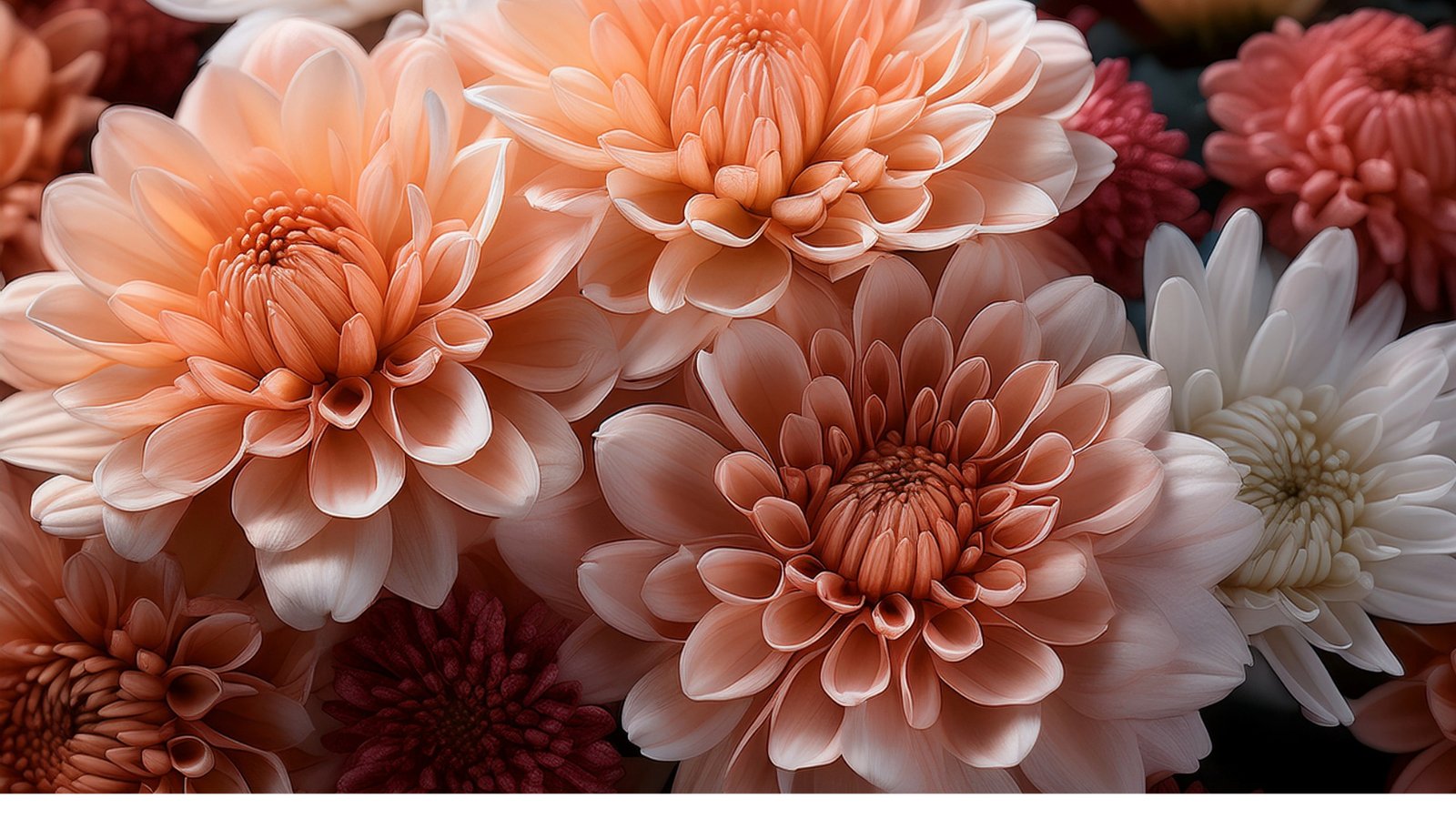
Bacillus biostimulant for chrysanthemums helps roots grow, lifts leaf chlorophyll, and improves plant health. In recent greenhouse tests on Chrysanthemum ‘Zembla White’, BactoRol, a Bacillus-based product, showed clear gains. As a result, growers get a reliable way to improve flower production without changing their routine. Overall, the plants looked stronger and more even.
Key findings (at a glance)
Roots got stronger. BactoRol helped plants grow bigger root systems (more mass, more tips, more surface).
Leaves stayed greener. The chlorophyll index was higher, so plants kept good colour and photosynthesis later in the cycle.
Top growth held steady. Height, fresh mass and flower count matched the lime control, so you keep market size and blooms.
Tissue was firmer. Dry mass went up, which points to stronger, more resilient plants for handling and transport.
As a result, crops were sale-ready. Plants looked even and healthy, with good roots and colour at market time.
Overall, growers gain a simple win. Add a Bacillus biostimulant for chrysanthemums (BactoRol) to support roots, colour, and resilience, without changing your normal routine.
Why roots matter in chrysanthemum production
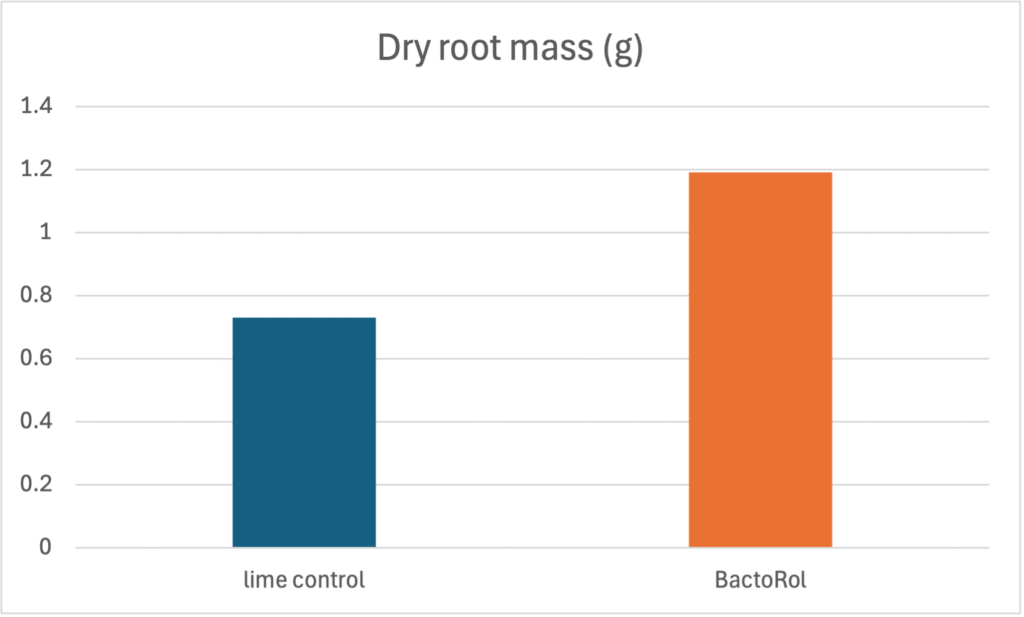
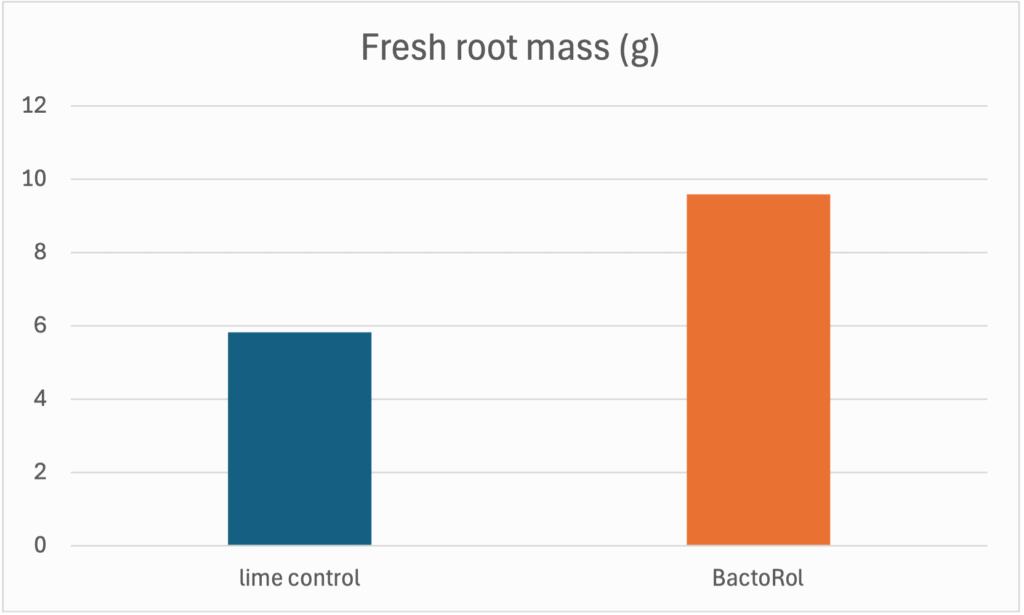
Healthy roots are the foundation of a strong chrysanthemum. In this study, rooted cuttings grown in acidic peat with 8 g/L of BactoRol formed a much stronger root system than the standard lime control. Specifically:
- Fresh root mass rose from 5.83 g (control) to 9.60 g with BactoRol.
- Dry root mass increased from 0.73 g to 1.19 g.
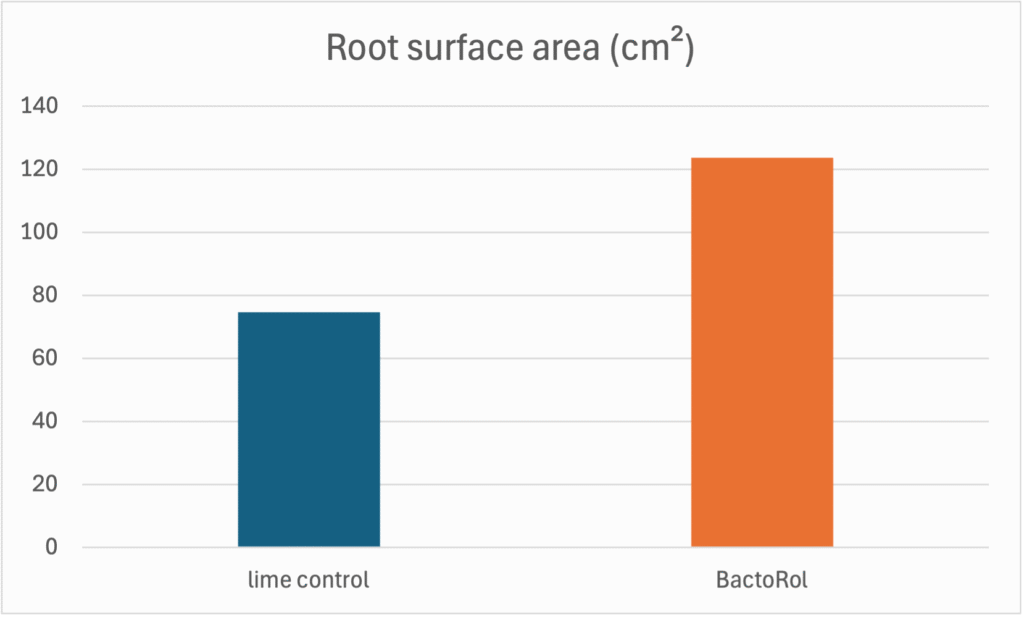
- Root surface area expanded from 74.7 cm² to 123.7 cm².
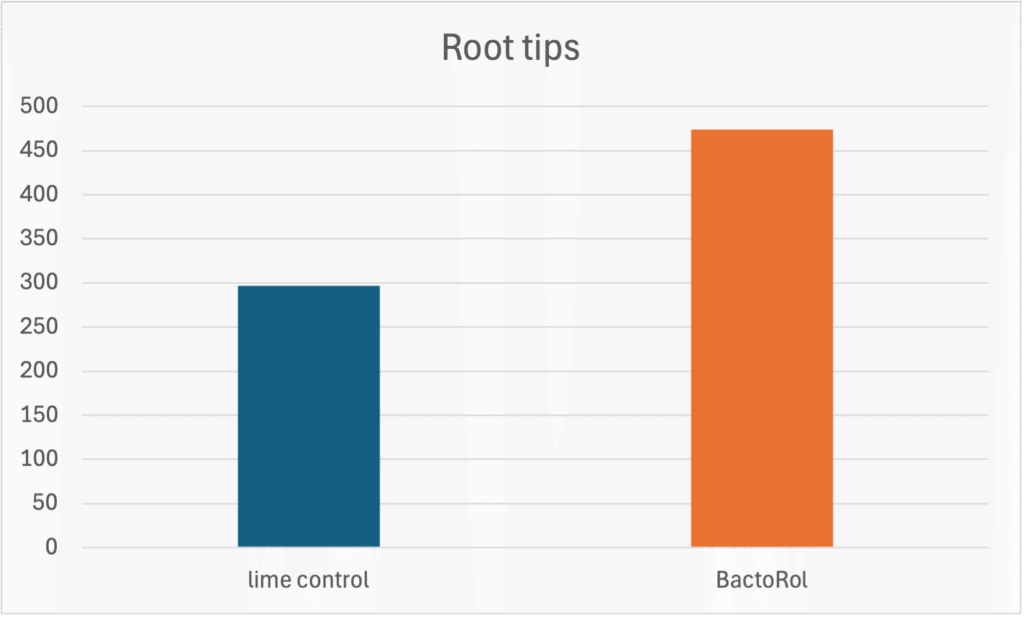
- Root tips went up from 297 to 474, which suggests better soil foraging.
Because of these gains, plants can reach more nutrients and water. Therefore, they perform more consistently when growing conditions change.
Greener leaves with higher chlorophyll
Leaf colour improved. By week 12, chrysanthemums treated with BactoRol reached a chlorophyll index of 64.4, whereas the limed control was 62.2 and the commercial peat control was only 42.7. Since higher chlorophyll points to stronger photosynthesis, these results show better energy capture and steadier vigour late in the cycle. In short, leaves stayed greener for longer.
Marketable plants with improved resilience
Roots and leaves improved without hurting top growth. Plants with BactoRol matched the standard lime treatment for height, fresh mass, and flower number. They also showed higher dry mass, which means firmer, more resilient tissue. Therefore, you keep marketable size and bloom count and gain extra strength for handling and transport. Overall, BactoRol supports quality and durability at the same time.
Why choose a Bacillus biostimulant?
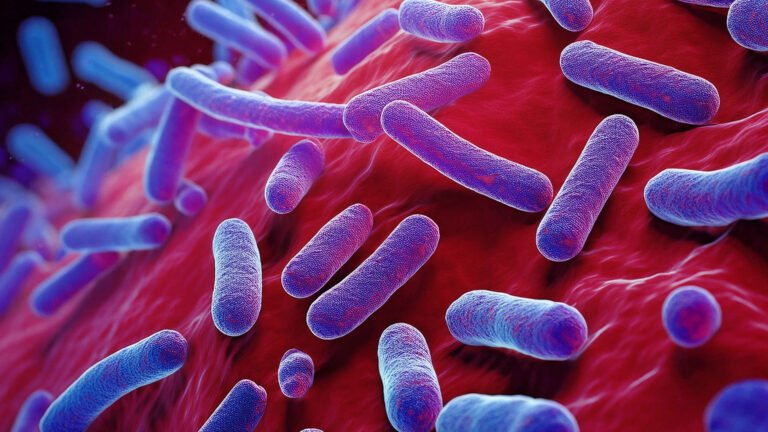
Bacillus-based biostimulants are natural microbes that work with the plant. As a result, they support growth rather than fight it. In practice, they:
- Strengthen roots, so plants take up water and nutrients more easily.
- Support photosynthesis, because greener, healthier leaves capture more light.
- Boost resilience, helping plants cope with drought and tricky substrates.
- You can offer a sustainable option, so you rely less on purely chemical inputs in floriculture.
Conclusion
Bacillus biostimulant for chrysanthemums, BactoRol, improves root structure, raises chlorophyll, and keeps plants market-ready. In our trial, treated plants grew stronger roots and greener leaves, so they held quality to the end of the cycle. As a result, growers get healthier crops, better resilience, and more consistent performance throughout the season.
Want healthier, stronger chrysanthemums? Get in touch with us today to learn how BactoRol and our other microbial solutions can support your floriculture production. Growing peppers? Learn how our biostimulants can boost Vitamin C and colour!