Natural Fertiliser for Vegetables: Feed Your Veg Patch Without Chemical Fertilisers
Spring brings fresh energy to the garden. However, it also brings a familiar question. How do you feed vegetables well without relying on chemical fertilisers? Many gardeners want healthy crops and healthy soil. At the same time, they want a natural option that actually works. That is exactly where BioGarden fits in.
Instead of pushing plants with a harsh chemical feed, BioGarden helps the soil first. As a result, the soil can support the plant in a steadier and more natural way. So, for gardeners who want stronger roots, better growth, and fewer chemicals, this approach makes a lot of sense.
Quick Answer
A natural fertiliser for vegetables does not have to mean pellets, powders, or homemade feeds. It can also mean supporting the soil with beneficial bacteria. BioGarden helps in that way. It supports the root zone, improves soil life, and helps vegetables grow in a more natural system.
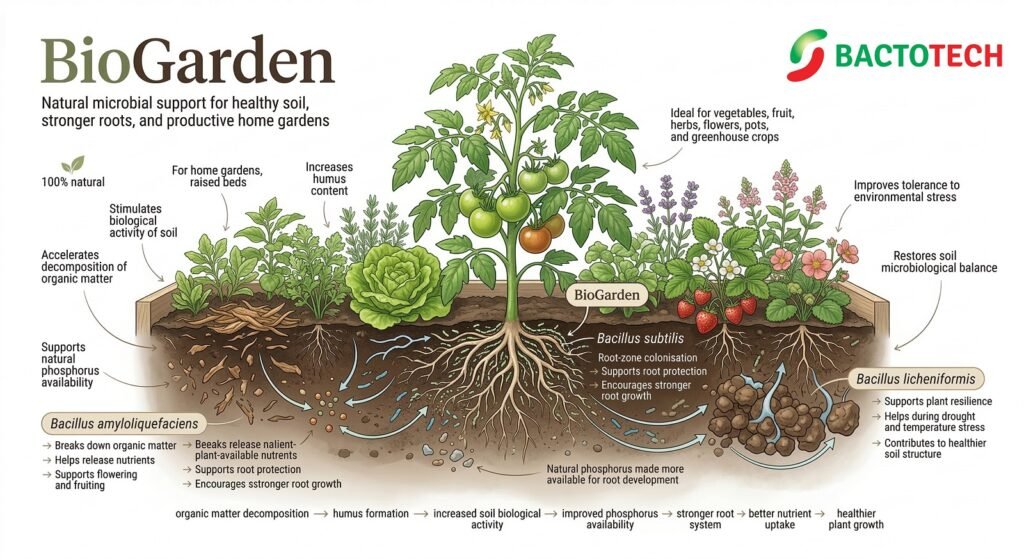
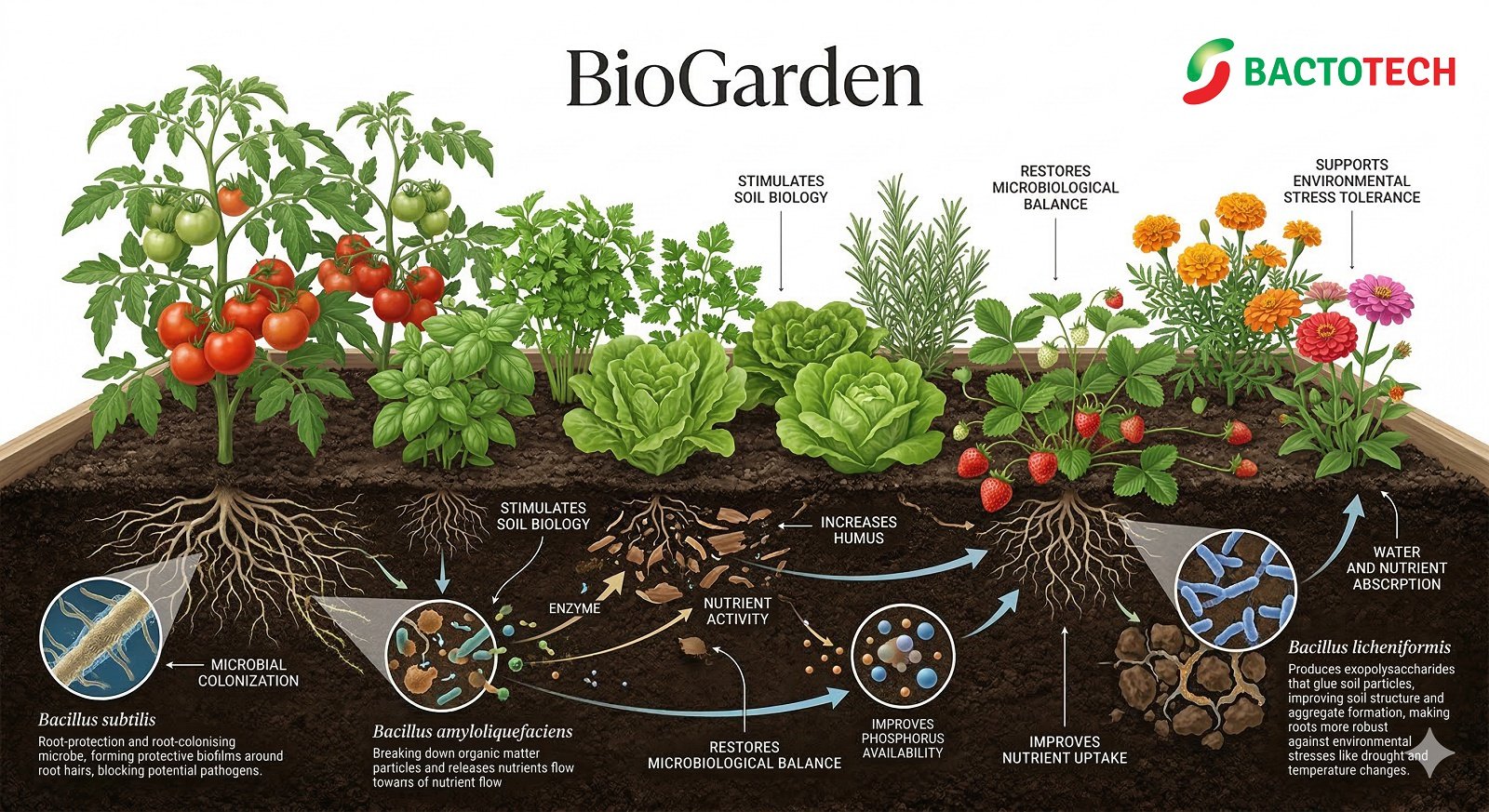
This BioGarden illustration shows how the product works in a home garden setting, from the soil up. It highlights the three beneficial Bacillus species in the formula and explains how they help break down organic matter, improve humus, support natural phosphorus availability, strengthen roots, restore soil microbiological balance, and help plants cope better with environmental stress. The image also shows that BioGarden is suitable for vegetables, fruit, herbs, flowers, pots, raised beds, and greenhouse crops.
Key Facts
Main aim – support the soil so vegetables grow better
Best for – pots, raised beds, greenhouses, herbs, fruit, and veg patches
What makes it different – it works through soil biology, not a harsh chemical push
What it may help with – roots, soil balance, nutrient access, and plant strength
How to use – apply at sowing or planting, then repeat monthly
Label rate – 10 ml in 10 litres of water for about 10 m²
What is a natural fertiliser for vegetables?
Most gardeners think of compost, manure, or seaweed first. Of course, those all have their place. However, natural feeding can also include living soil biology. That matters because healthy soil is alive. It contains bacteria, fungi, organic matter, air, and water. When that system works well, roots grow better and plants cope better too. So, a natural fertiliser does not always mean feeding the plant directly. Sometimes, it means helping the soil do its job better first. In the long run, that often leads to healthier growth and a more balanced garden.
If you want a real-life example, our post on how to grow garden vegetables without chemicals shows what we noticed when we used BioGarden in pots and trays at home.
RHS advice on organic gardening explains that the aim is to avoid synthetic fertilisers and build a healthy, balanced garden ecosystem. RHS soil guidance is also useful because it shows why healthy soil, composting, and mulching matter so much in natural gardening.
How beneficial soil bacteria help vegetables grow
BioGarden uses three Bacillus species, and each one supports the root zone in a different way. Together, they help boost soil life, support root growth, and improve nutrient access. In addition, they help break down organic matter, which can build humus and improve soil structure over time. As the soil improves, roots can move more easily and explore a bigger area. As a result, plants can access water and nutrients more effectively. That matters in real gardens because vegetables grow best when the soil stays active, balanced, and full of life. In other words, healthier soil helps create healthier, stronger plants.

This garden cross-section shows how BioGarden supports plants from the soil up. It explains the role of the three Bacillus species in the product, including root colonisation, organic matter breakdown, improved phosphorus availability, stronger nutrient uptake, better soil balance, and improved tolerance to environmental stress. In simple terms, the image helps show why healthier soil biology can lead to healthier vegetables, herbs, fruit, and flowers.
You can also visit the BioGarden product page for the full product overview, key benefits, and simple directions for use in home gardens, pots, and greenhouse crops.
RHS explains that organic matter helps improve soil structure, supports plant growth, and releases nutrients slowly over time. RHS also has a practical guide on how to use organic matter in the garden, including mulch and soil-improving materials.
Why this matters if you dislike chemical fertilisers
Chemical fertilisers can push fast top growth. However, many gardeners want a gentler approach. They want to grow food in a way that feels cleaner, calmer, and more natural. That is where BioGarden fits in well.
Instead of pushing the plant too hard from above, BioGarden works with the soil from below. As a result, it suits gardeners who want to build soil health over time rather than chase quick results. In other words, it supports a more balanced way to grow. This matters because healthy growth starts below the surface. So, you are not only feeding leaves. You are also supporting the whole growing space, starting with the root zone.
The Wildlife Trusts encourage chemical-free organic gardening as a way to protect wildlife and build a healthier garden.
Where this helps most in a home garden
BioGarden works best in the places where roots matter most. For example, it fits seed trays, pots, raised beds, greenhouse crops, and tired veg patches very well. It also makes sense around tomatoes, peppers, courgettes, cucumbers, beans, herbs, and salad crops. After all, these plants all rely on a healthy root zone. In addition, they need steady support through the season.
BioGarden also suits small-space growing very well. Pots and containers dry out faster, and they can lose balance more quickly too. Because of that, a product that supports soil life can make a real difference in those settings. In other words, when space is tight and the root zone matters even more, healthy soil biology becomes even more important.
What results can gardeners realistically expect?
Start with realistic hopes. In other words, do not expect miracles overnight. Instead, look for steadier, healthier growth over time. That might mean more even germination, sturdier seedlings, better roots, and stronger leaves. It may also mean plants that cope better with everyday stress.
That is exactly why this kind of product feels different. Rather than acting like a quick chemical jolt, it helps create better growing conditions from the ground up. As a result, the garden can develop in a steadier and more balanced way.
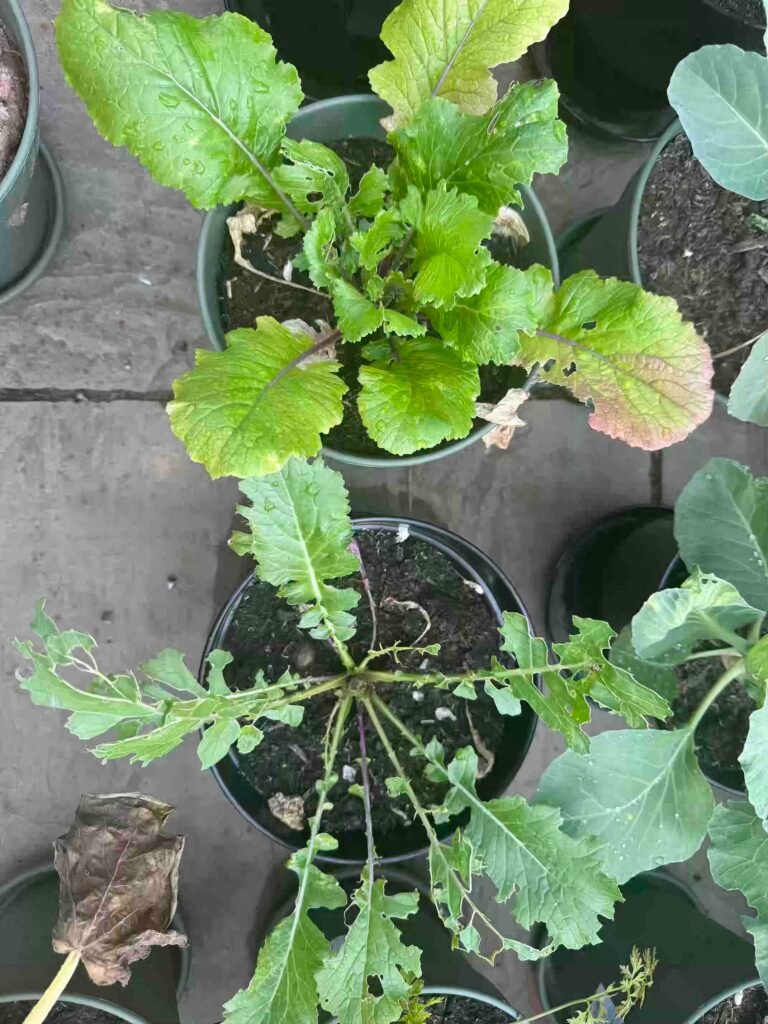
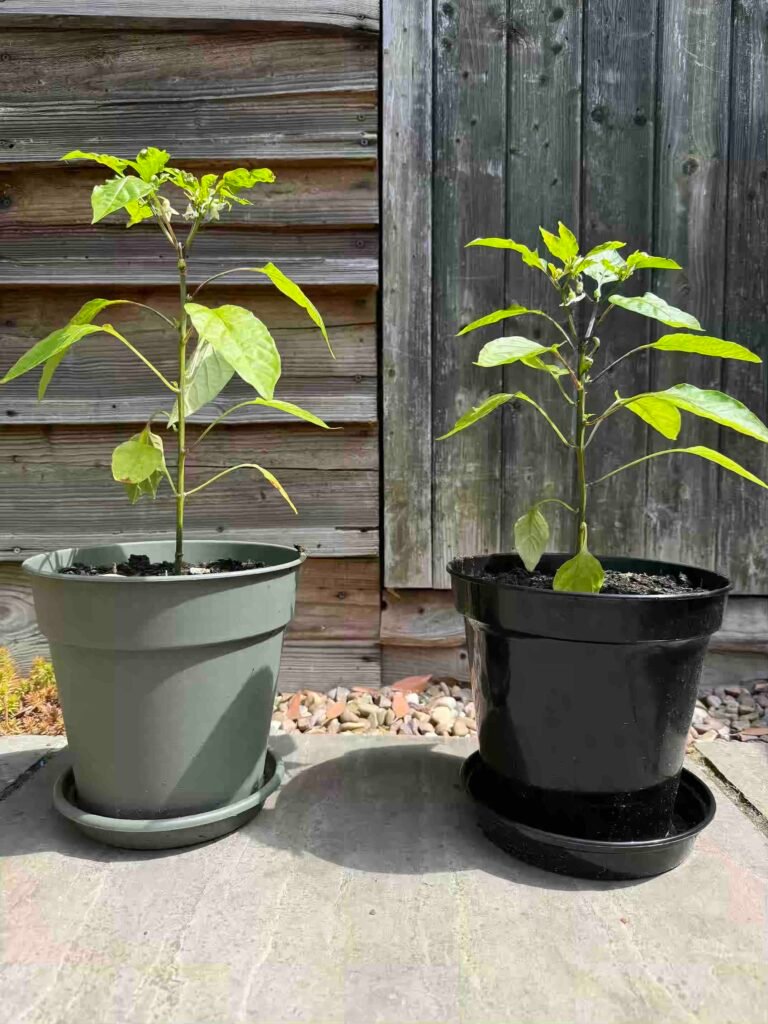
In our own garden observations, treated pots showed fuller germination and sturdier young plants. In some cases, we also saw less leaf damage. However, BioGarden is not a pesticide. Instead, it supports healthier growing conditions around the plant. So, while it may help plants grow more strongly, it does not replace proper pest control.
For fruiting crops, our pepper biofertiliser article is also worth reading because it shows how BactoTech bacterial biofertilisers improved vitamin C and carotenoids in peppers while core traits stayed steady.
Simple guide: where BioGarden may fit best
| Garden situation | Common problem | How BioGarden may help |
|---|
| Seed trays and young seedlings | Uneven starts and weak growth | Supports soil life around new roots |
| Raised beds | Tired soil and patchy growth | Helps improve soil balance and nutrient access |
| Greenhouse crops | Fast growth puts pressure on roots | Supports roots and plant strength |
| Pots and containers | Small soil volume dries out fast | Helps keep root-zone activity steadier |
| Fruiting crops | Plants need support all season | Fits a simple monthly routine |
How to use BioGarden in pots, beds, and greenhouses
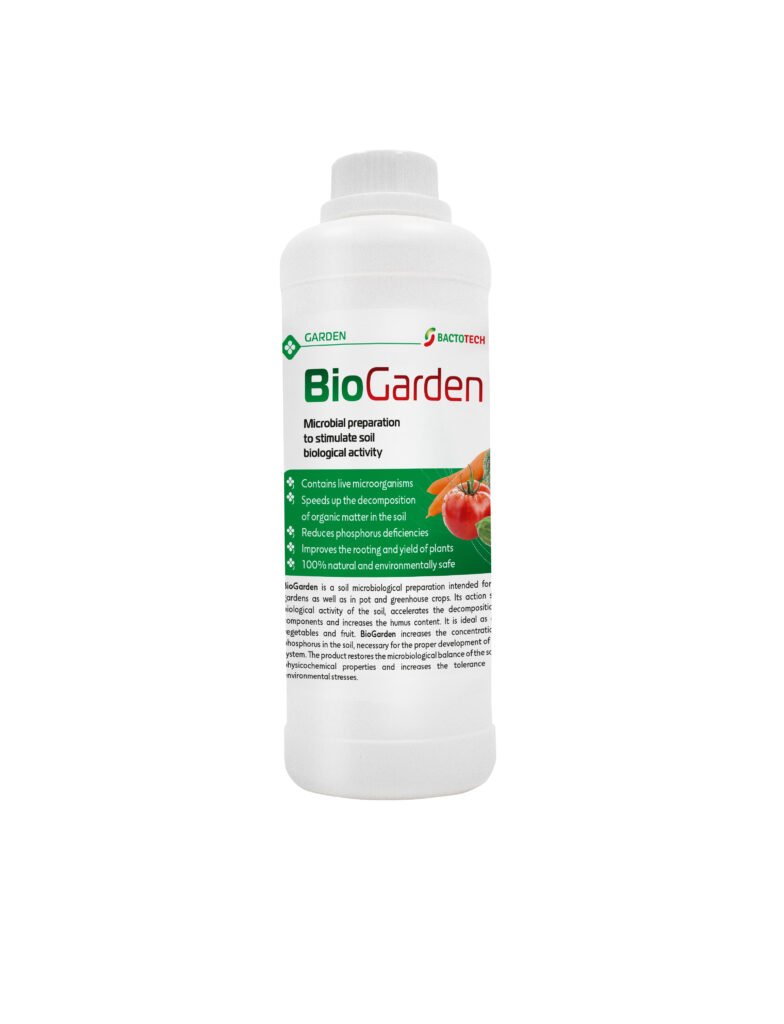
BioGarden keeps things simple. Mix 10 ml in 10 litres of water. Use that over about 10 m². Apply it when you sow seeds or plant out seedlings. Then repeat once a month. Keep going until harvest or the end of fruiting. For fruit bushes, trees, and strawberries, use a double dose. For small pots, just scale the mix down. The key is to start early and stay consistent.
If you also make your own compost, RHS has a clear home composting guide that explains how to turn garden and kitchen waste into useful organic matter.
Is this better than chemical fertiliser?
That depends on your goal. If you only want a fast green-up, then chemical fertiliser may seem easier. However, many gardeners want more than that. They want healthier soil, stronger roots, and fewer harsh inputs over time. That is where BioGarden fits better. Instead of feeding the plant in a harsh, direct way, it supports the soil first. As a result, the soil can support the crop in a steadier and more natural way. So, this is not really about chasing a miracle. Rather, it is about building a better base for the whole season.
RHS also explains how gardeners can manage pests and diseases without relying on chemical controls, which fits well with a more natural growing approach.
Natural Fertiliser For Vegetables FAQs
What is the best natural fertiliser for vegetables?
There is no single best answer for every garden. Compost, mulch, and organic matter all help. BioGarden adds another layer by supporting soil life and root health.
Can I grow vegetables without chemical fertilisers?
Yes. Many gardeners grow vegetables that way. The key is to support the soil, water well, add organic matter, and use natural inputs consistently.
Can I use BioGarden in pots and raised beds?
Yes. BioGarden fits pots, raised beds, and greenhouse growing very well. It works especially well where roots need steady support.
How often should I use BioGarden?
Use it when you sow or plant. Then use it once a month through the season.
Will it help tomatoes and peppers?
It can help support the root zone those crops depend on. That makes it a good fit for hungry fruiting plants.
Can it help seedlings get off to a better start?
Yes, it may help create better conditions around young roots. That can lead to more even starts and sturdier seedlings.
Is BioGarden safe for a more natural garden?
Yes. It suits gardeners who want a natural way to support growth and soil health. As always, use it as directed.
Conclusion
Natural fertiliser for vegetables does not need to feel complicated. You do not need a shelf full of products, and you do not need harsh chemical feeds either. Instead, sometimes the best place to start is the soil. That is exactly where BioGarden helps. It supports roots, improves soil balance, and helps plants access nutrients more naturally. As a result, it gives gardeners one simple routine that supports stronger growth from below. So, if you want healthier vegetables and fewer chemicals, BioGarden gives you a practical and natural place to begin.
Want to grow healthier vegetables with fewer chemicals?
Start with BioGarden and give your pots, raised beds, or greenhouse a simple monthly soil-health routine.
Editorial note
This article gives general garden guidance only. Results will vary with crop type, soil, weather, watering, compost, and the rest of your routine. Always follow the label directions.