
Reduce farm input costs by finding where money is being lost first, not by cutting everything blindly. On many farms, the biggest leaks come from wasted nutrient potential, messy seedbeds, uneven establishment, and extra passes that add diesel, labour, and time. In many arable systems, those losses are not always obvious at first. Nitrogen may be used inefficiently. Phosphorus may be in the soil, but still hard for crops to access. Straw can slow seedbeds down and tie nutrients up. Uneven establishment can then reduce crop performance before the season has really got going.
That is why the best way to reduce farm input costs is usually to improve efficiency before cutting rates. In practical terms, that means looking at nutrient use, rooting, residue breakdown, establishment, and field operations together rather than as separate problems. This guide brings those cost pressures into one place. It shows where farms often lose money, what to check first, how biology can fit into a cost-saving plan, and which deeper BactoTech guides to read next if you want to fix each problem properly.
Quick Answer
The fastest way to reduce farm input costs is not to cut inputs at random. It is to find where the farm is losing efficiency first. In many arable systems, the biggest cost leaks come from poor nitrogen use, locked-up phosphorus, slow residue breakdown, patchy establishment, and too many corrective passes. Therefore, the best plan is to diagnose the waste, fix the bottleneck, and use biology where it helps nutrients work harder and fields run more efficiently.
Key Facts
Main goal: Reduce farm input costs without hurting crop performance.
Biggest cost leaks: Poor nutrient efficiency, slow residue breakdown, uneven establishment, and unnecessary passes.
Where to look first: Nitrogen use, phosphorus availability, rooting, seedbed quality, and diesel-heavy operations.
Why costs stay high: Money is often lost through inefficiency, not just through high input prices.
Where biology fits: Biology can help nutrients work harder, residues break down faster, and seedbeds perform more smoothly.
What to measure: Fertiliser spend, diesel use, passes per hectare, crop evenness, rooting, and treated versus untreated areas.
Why this page matters: It acts as a practical hub, linking the main farm-cost problems to the right fixes.
How to diagnose farm input waste properly
Before cutting rates, check where the farm is losing efficiency. In many fields, the biggest cost is not the price of the input on its own. It is the part of the system that stops that input working properly. Therefore, the best savings often come from fixing the bottleneck first.
Diagnosis table: where is the farm losing money?
| What you see | Likely cost leak | What to check first | Why it costs money |
|---|---|---|---|
| High fertiliser spend but crop response feels weak | Poor nutrient efficiency | Nitrogen timing, rooting, crop evenness, soil condition | You pay for nutrients the crop is not using well |
| Soil tests look reasonable but the crop still starts slowly | Phosphorus is there but not fully available | Soil pH, root depth, compaction, early vigour | Money is tied up in P that is not working hard enough |
| Trashy seedbeds and slow drilling after harvest | Slow residue breakdown | Straw spread, residue load, moisture, seedbed condition | Extra passes, extra diesel, and more time before drilling |
| Patchy emergence across the field | Uneven establishment | Seed depth, seed-to-soil contact, slugs, compaction | Uneven crops rarely use inputs evenly or efficiently |
| Crop looks pale in heavy residue areas | Early nitrogen drag from straw breakdown | Straw levels, rooting, field variation | Nutrients are being tied up while residue breaks down |
| Better crop in loosened areas than tight ground | Root restriction | Dig roots, check smearing, pans, and depth limits | Poor roots make every fertiliser pound work less efficiently |
| Too many corrective passes before drilling | Poor seedbed efficiency | Residue condition, structure, moisture, timing | Diesel, labour, machinery wear, and lost time all increase |
| Rising diesel cost per hectare | Field operations are doing too much of the work | Passes per hectare, reworks, residue pressure | Costs rise fast when the system needs repeated correction |
| One area of the field always underperforms | Hidden field variation | Compare good and poor zones side by side | Inputs are being spent evenly, but results are not |
| You keep adding input, but the crop still feels stop-start | Treating symptoms instead of the bottleneck | Rooting, nutrient access, residue, establishment | More spend does not always fix the real limit |
Cut fertiliser waste first
Cut fertiliser waste first by checking whether the crop is really short of nutrient, or just using it poorly. In many fields, the main loss comes from weak rooting, poor phosphorus access, uneven crop growth, or low nutrient efficiency. Therefore, the best savings often come from making nutrients work harder before cutting rates further.
If nitrogen spend is the main pressure point, it is worth reading our guide on reduce nitrogen fertiliser use, which explains how better nitrogen efficiency can lower waste without asking the crop to carry all the risk. If the field contains phosphorus but the crop still starts slowly, our article on phosphorus lock-up in soil explains how to make more of your soil P work again. For the wider fertiliser planning picture, our fertiliser shortage 2026 post looks at why input pressure is unlikely to disappear and why efficiency matters even more now.
Make soil phosphorus work harder
Make soil phosphorus work harder by focusing on access, not just supply. In many fields, the crop is not short of total P. It is short of available P near the root zone. Therefore, improving phosphorus availability can be one of the easiest ways to cut waste without hurting performance.
If this is the main cost leak on your farm, read our full guide on phosphorus lock-up in soil, where we explain the causes, field signs, and how biology can help improve P availability around the root zone.
Reduce residue-driven costs
Reduce residue-driven costs by tackling heavy straw and trash before they slow the next crop down. Slow residue breakdown can increase diesel use, add extra passes, and put early establishment under pressure. Therefore, cleaner seedbeds often lead to lower costs before the crop has even started properly.
Where residues are the hidden cost problem, our guide on straw tying up nitrogen explains how heavy straw can create early nitrogen drag and slower crop starts. If the bigger issue is trashy seedbeds, slower drilling, and too many reworks, our post on soil inoculants for faster straw breakdown goes deeper into how biology can support cleaner conditions before drilling.
Fix patchy establishment before it gets expensive
Fix patchy establishment early, because uneven crops make every later input work less efficiently. In many fields, the hidden cost starts with poor seed placement, residue pressure, compaction, or slug damage. Therefore, a more even crop is often one of the simplest ways to protect margin.
If the crop never starts evenly, later inputs rarely pay back as well as they should. That is why our guide on patchy emergence in crops is such an important companion read. It also helps to read soil compaction in fields, because restricted roots often sit underneath poor establishment and make every input less efficient.
Reduce extra passes and diesel
Reduce extra passes and diesel by fixing the field problems that create them. Heavy residue, poor structure, and messy seedbeds often force more correction than the farm should need. Therefore, cleaner seedbeds and smoother establishment can lower diesel use before the crop is fully underway.
If extra passes are rising because the seedbed stays messy, go back to our guide on soil inoculants for faster straw breakdown. If the problem is structural rather than surface-level, our soil compaction in fields article is the better place to start.

Turn cost saving into proof
If you want to reduce farm input costs without risking yield, measure the weak points in the system rather than guess. Broad cost-cutting can look sensible at first. However, the stronger approach is to find where money is being wasted, then prove whether the fix changed the result. That is the same logic behind the stronger competitor pages in this space: better decisions come from better tracking, not just lower spend.
Start with the costs that move fastest on farm. Check fertiliser spend per hectare, diesel per hectare, and the number of passes needed before drilling. Then compare those numbers with crop evenness, rooting, and field performance. If costs stay high where rooting is weak, residue is heavy, or establishment is patchy, that gives you a much clearer answer than looking at invoices alone.
Next, compare good and poor areas of the field side by side. Measure emergence, plant size, root depth, residue pressure, and crop vigour. If one part of the field is using the same inputs but giving a weaker return, that is often where the real cost leak sits. In many cases, the problem is not simply input price. It is uneven efficiency.
It also helps to compare treated and untreated strips where possible. That is especially useful when you are trying to judge whether a biological programme is improving nutrient access, residue cycling, or field efficiency. Over time, those comparisons can show whether the farm is genuinely becoming leaner, or whether spend is only being shifted around.
| What to measure | Why it matters |
|---|
| Fertiliser spend per hectare | Shows whether nutrient efficiency is improving |
| Diesel per hectare | Shows whether field operations are becoming leaner |
| Passes per hectare | Helps reveal whether seedbed and residue pressure are easing |
| Emergence counts | Shows whether establishment is becoming more even |
| Root depth and root quality | Helps explain whether the crop can access nutrients properly |
| Crop vigour in good and poor zones | Shows whether inputs are working evenly across the field |
| Residue cover or trash level | Helps track whether breakdown is improving |
| Treated vs untreated strips | Gives a clearer test of whether the programme is paying back |
The best cost-saving plan is not the one that sounds cheapest. It is the one you can prove is wasting less and delivering more.
FAQs about how to reduce farm input costs
How can I reduce farm input costs without risking yield?
The best way to reduce farm input costs is to cut waste before cutting performance. In many arable systems, the biggest savings come from improving nutrient efficiency, fixing patchy establishment, reducing extra passes, and making better use of what is already in the soil.
What are the biggest hidden cost leaks on farm?
Common hidden cost leaks include poor nitrogen efficiency, locked-up phosphorus, slow residue breakdown, uneven establishment, and repeated corrective passes. These problems often make every later input work less efficiently, even when the input itself is well timed.
Should I cut fertiliser rates first to save money?
Not always. In many fields, the bigger problem is not total fertiliser rate, but poor crop access or poor nutrient use. Therefore, it often makes more sense to diagnose rooting, pH, crop evenness, and field variation before cutting rates further.
How does poor establishment increase farm input costs?
Patchy establishment makes crops use nutrients, water, and later inputs less evenly. As a result, performance becomes less consistent across the field, and the return on fertiliser, sprays, and time usually falls.
Can residue management really reduce farm costs?
Yes. Heavy residues can slow drilling, tie up early nitrogen, create slug shelter, and force extra passes. Therefore, cleaner residue management can reduce diesel use, save time, and improve seedbed conditions before the next crop is established.
Why does phosphorus availability matter for input costs?
A field may contain phosphorus, yet the crop may still struggle to access it. When that happens, growers can keep spending on phosphate while the real issue is poor phosphorus availability, pH, or root access.
Can biology help reduce farm input costs?
It can help in the right place. Biology is most useful when it improves nutrient efficiency, supports residue breakdown, or helps the crop access more of what is already in the soil. However, it works best as part of a wider plan rather than as a stand-alone fix.
How do I know where the farm is really losing money?
Start by comparing costs with field performance. Look at fertiliser spend, diesel use, passes per hectare, emergence, rooting, and crop vigour in good and poor zones. In many cases, the real leak is not the price itself, but the part of the system stopping that spend from paying back well.
What should I measure first if I want to cut costs properly?
A good starting point is fertiliser spend per hectare, diesel per hectare, passes per hectare, emergence counts, root depth, crop evenness, and treated versus untreated areas where possible. Those measures usually show whether the system is becoming leaner or simply shifting cost around.
Can fewer passes really make a big difference?
Yes. Fewer passes can reduce diesel, labour, machinery wear, and time pressure. More importantly, they usually show that the seedbed and residue system are working more smoothly in the first place.
Does reducing input costs mean farming more cheaply?
Not really. The goal is not to farm cheaply. The goal is to spend more efficiently. In practice, that means getting better return from nutrients, seedbeds, and field operations rather than simply buying less.
What is the safest way to start reducing farm input costs?
Start with diagnosis. Check where the crop is losing efficiency first, then fix the bottleneck before cutting more. That approach is usually safer than broad reductions because it protects margin without asking the crop to carry the risk alone.
Related guides
If you want to reduce farm input costs properly, it helps to go deeper into the specific problems that quietly drain margin.
- Then there is patchy emergence in crops, because uneven establishment is one of the biggest hidden reasons later inputs work less evenly across the field.
- Finally, our soil compaction in fields guide matters here too, because restricted roots make every unit of nutrient and every pass across the field less efficient.
Fertiliser efficiency
Residue and seedbed costs
Establishment and rooting
Operations and waste
- Managing slurry and manure
- Slurry tank foaming and crust
- Slurry store full
- Slurry odour complaints and NVZ inspections
The products behind this programme
- BactoRol Nitrogen fits where the farm is spending heavily on nitrogen, but crop response and nitrogen-use efficiency still feel disappointing. In practical terms, it belongs in the “make N work harder” part of the programme, especially where the aim is to reduce waste rather than simply cut rates.

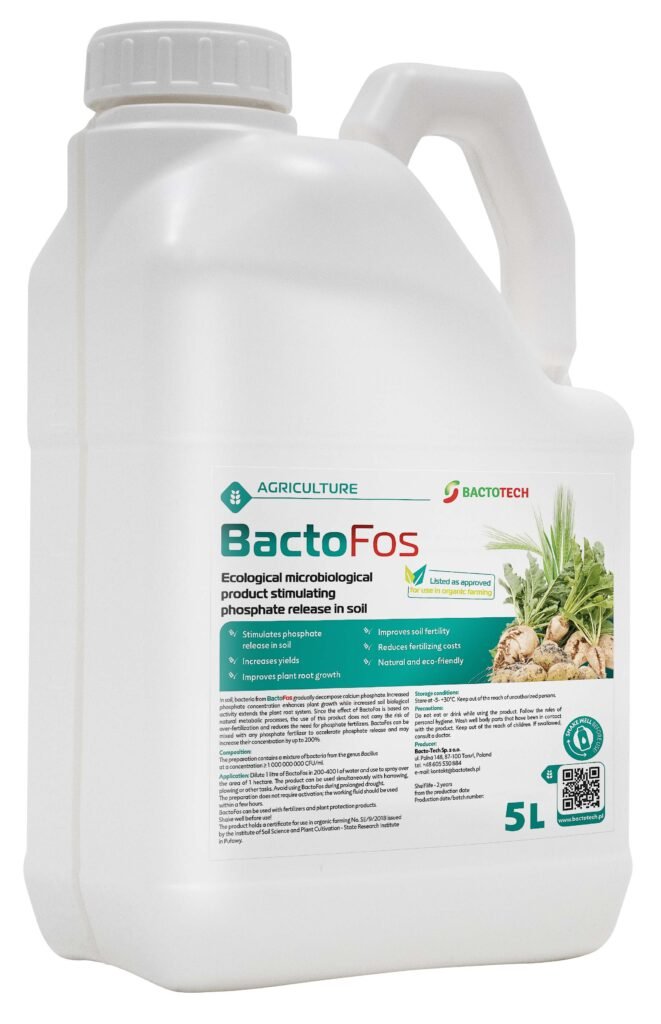
- BactoFos fits where phosphorus spend stays high, yet the crop still looks short of accessible P. That makes it the better fit where the problem is not total phosphorus in the field, but poor phosphorus availability around the root zone.
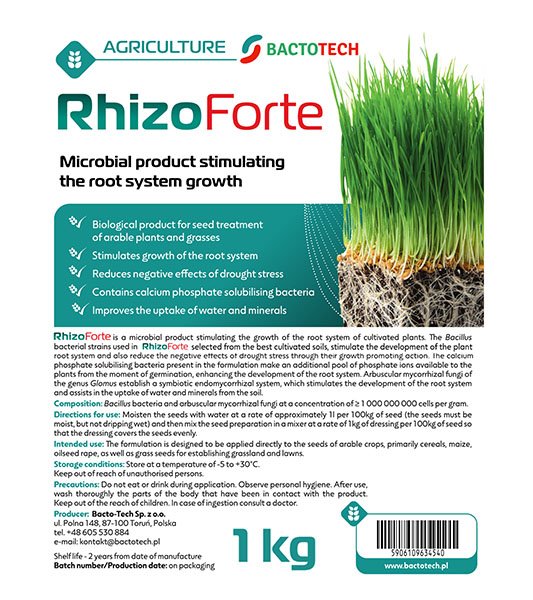
- Rhizo Forte fits where root reach is part of the cost problem. If the crop is not exploring enough soil volume, even a reasonable nutrient plan can underperform. Therefore, Rhizo Forte supports the wider aim of helping the crop reach more phosphorus and water.
- BactoRol Plus fits where residue is quietly adding cost through trashy seedbeds, early nitrogen drag, and extra passes before drilling. That is why it belongs in the residue-management part of the plan rather than being framed as a stand-alone add-on.

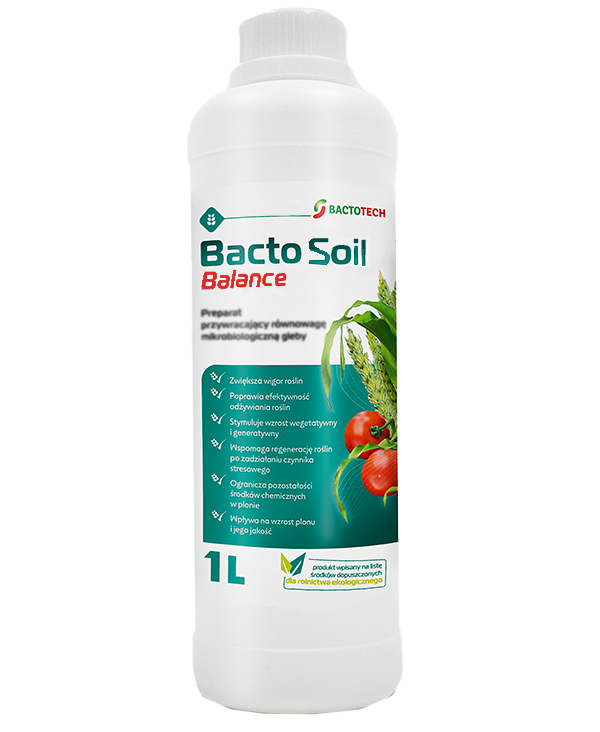
- BactoSoil Balance fits where the wider issue is weak soil biology, poor aggregation, or inconsistent residue turnover across the field. In other words, it supports the background system that helps other cost-saving gains hold together.
Together, the message stays simple: first find the leak, then match the biology to the bottleneck. That approach is more useful than pushing one product as the answer to every cost problem.
Trying to reduce farm input costs without risking yield? Tell us where the money feels stuck first — fertiliser, residue, diesel, patchy crops, or weak roots. We can help you work out where the real bottleneck sits and which biological route is most likely to pay back on your farm.
Editorial note
This guide is for general information only. Always follow product labels, safety data, and farm-specific agronomic advice. Results can vary with soil type, weather, residue load, drilling conditions, and the biology already present in the field. In addition, broader nutrient planning and soil-health actions still matter, because the strongest savings usually come from improving efficiency across the whole system rather than cutting a single input in isolation. UK guidance also frames reduced waste, better soil health, and greater resilience as part of lowering farm input costs over time.
Last updated: March 2026.