Fertiliser shortage 2026 is not just a market headline. For UK farmers, it is a planning problem that can affect cash flow, delivery timing, crop nutrition, and spring workload. Industry warnings have already pointed to possible supply pressure, muted buying, and the risk that late ordering could leave growers exposed if availability tightens further.
That is why the best response is not panic. It is planning. In practical terms, that means securing the fertiliser you cannot easily replace, then reducing exposure where the system is already wasting nutrients, diesel, or crop potential. AHDB’s recent market outlook has also shown that nitrogen fertiliser prices moved up in 2025 compared with 2024, while remaining below the extreme highs seen in 2022.
This matters even more where farms already struggle with weak nitrogen efficiency, locked-up phosphorus, slow residue breakdown, patchy establishment, or too many corrective passes. In those situations, shortage pressure hurts more because every missed unit and every delayed load carries more risk. This guide explains what has changed for 2026, where farms are most exposed, what to prioritise first, and how to reduce fertiliser risk without cutting blindly. It is built as a practical action plan for UK growers, not just a shortage warning.
Quick Answer
Fertiliser shortage risk for 2026 is serious enough that UK farmers should plan early. Recent market reporting and industry warnings have highlighted supply disruption, delivery risk, and the value of ordering core tonnes sooner rather than later. The safest approach is to lock in what the farm cannot do without, then reduce exposure by improving nutrient efficiency, phosphorus access, residue management, and crop resilience.
Fertiliser pressure is making efficiency more important than ever. For the wider practical picture on where farms lose money first, and how to reduce waste without risking yield, read our guide on REDUCE FARM INPUT COSTS.
The Agricultural Industries Confederation (AIC) has warned farmers to order early because long supply lines, tariffs and logistics could squeeze availability next spring. Therefore, the smartest move is to lock in core tonnes now and, at the same time, use biologicals to cut reliance on bagged N and P.
Key Facts
Main issue: Fertiliser shortage 2026 could increase supply risk, delivery delays, and cost pressure for UK farms.
What has changed: Industry and market reporting have already flagged tighter conditions, supply disruption, and the need to order early for spring use.
Why it matters: Late decisions can expose farms to missed timings, higher prices, and weaker crop planning.
Best first move: Secure core tonnes first, then cut waste before cutting rates.
Where farms are most exposed: Poor nutrient efficiency, locked-up phosphorus, slow residue breakdown, and patchy establishment all increase shortage risk.
Where biology fits: Biology can help reduce dependence on fertiliser by improving nutrient access, residue cycling, and crop resilience. This works best as part of a wider nutrient plan, not as a stand-alone fix.
Why proof matters: A shortage plan should be measured in timings, tonnes secured, field response, and cost per hectare, not only in theory.
What has changed for 2026
Fertiliser shortage 2026 matters because the risk is no longer theoretical. Industry warnings and market reporting have already pointed to tighter supply, slower buying, and the danger of leaving orders too late. In practical terms, that means some farms could face delivery pressure just when spring demand peaks.
There is also a cash-flow angle. Some growers have delayed buying because margins remain tight. However, delayed buying can increase exposure if prices rise again or supply narrows further. That is why early planning matters more than usual.
Price pressure also remains part of the story. AHDB’s recent outlook showed that nitrogen fertiliser prices rose in 2025 compared with 2024, even though they stayed below the extreme levels seen in 2022. So, while this is not a repeat of the worst spike, it is still a higher-risk buying environment than many farms would like.
For UK growers, the message is simple. Do not treat 2026 as a normal buying year. Treat it as a year that may reward earlier decisions, tighter prioritisation, and a stronger plan to reduce dependence on every tonne.
Diagnosis table: fertiliser shortage 2026 – where is your farm most exposed?
Before changing the buying plan, check where the farm is most vulnerable. Not every business faces the same shortage risk. Some farms can absorb delays more easily. Others rely on tight timing, high nutrient demand, or smooth spring logistics. That is why the first step is to spot the weak points early.
| What you are seeing | Likely shortage risk | What to check first | Why it matters |
|---|
| Supplier warning about delayed delivery | Spring supply may tighten at the wrong time | Delivery window, storage, and order status | Late fertiliser can disrupt the whole crop plan. |
| Buying delayed because cash flow is tight | Higher exposure to price and supply swings | Core tonnes needed, buying timetable, cash-flow pressure | Waiting too long can leave the farm exposed if supply narrows. |
| Heavy reliance on bagged N and P | More exposure if product is short or late | Which tonnes are essential and which can be reduced through better efficiency | A farm with no backup plan carries more risk. |
| Weak nitrogen efficiency already | Every missing tonne hurts more | Rooting, crop evenness, N response, and field variation | Poor NUE turns supply pressure into a bigger crop risk. |
| High soil P but weak crop starts | The farm may spend more because soil P is not working well | Soil pH, root depth, and phosphorus availability | In a shortage year, wasted phosphorus potential matters more. |
| Slow residue breakdown after harvest | More pressure on early N and seedbed prep | Straw spread, residue load, and drilling conditions | Residue drag can increase fertiliser need and field costs. |
| Patchy crops or weak roots | Reduced fertiliser plans become riskier | Establishment, compaction, and root reach | The crop cannot use limited nutrients well if the root system is weak. |
| Too many corrective passes in spring | Shortage pressure will hit operations as well as nutrition | Passes per hectare, diesel use, and seedbed quality | Late fertiliser and weak seedbeds can push costs up together. |
How to use this table – Fertiliser Shortage 2026
Start with the lines that match your farm most closely. Then sort them into two groups:
the fertiliser you must secure early, and the inefficiencies you can reduce before spring pressure builds. That is usually the safest way to respond to a shortage year.
Why plan early (and what’s changed)
- Early orders matter: AIC says suppliers need clear demand signals now; late buying risks missing tight delivery windows. Work with FIAS-accredited suppliers for assured quality and traceability.
- Trade headwinds: The EU has imposed new tariffs on Russian/Belarus fertilisers from 1 July 2025, with steep escalators into 2026–2028; UK access can be indirectly affected via EU markets. Consequently, timing and price risk both rise.
Step 1: lock the core tonnes first
Start with the fertiliser the farm cannot easily do without. In a shortage year, that comes first. Secure the tonnes that protect the main crop plan before spring pressure builds. Late buying adds two risks. It can delay delivery, and it can leave the farm exposed if prices rise again. That is why early prioritisation matters.Do not treat every field the same. Some blocks need firmer protection. Others may give more room to reduce need through better efficiency.
Lock first
- Core nitrogen for the fields with the least margin for error.
- Key phosphorus products where crop access is already tight.
- Any fertiliser that is critical for timing-sensitive crops or spring work.
Simple rule
Secure what the crop plan depends on first. Then cut waste before cutting tonnes.
Step 2: reduce fertiliser waste before cutting blindly
Do not start by cutting rates across the whole farm. Start by finding where fertiliser is already being wasted. In many fields, the biggest loss is not the price of the product. It is weak efficiency. Nitrogen may leak, phosphorus may stay locked up, and poor roots may stop the crop using what is already there.
That is why diagnosis matters first. Check crop evenness, root depth, soil structure, and field variation. If one part of the field performs well and another does not, the real problem may be access, not total input. This is also where biology can help. It can support nutrient access, root performance, and better use of what is already in the system. However, it works best when it fixes a real bottleneck, not when it is used as a guess.
Focus on these leaks first
- Poor nitrogen use efficiency
- Phosphorus that is present but not available
- Weak rooting or compacted ground
- Residue pressure that ties up early nutrients
- Patchy crops that use inputs unevenly
Simple rule
In a shortage year, the cheapest tonne is often the one the crop already has access to, but is not using well.

Step 3: protect phosphorus access and root reach
Phosphorus shortage on paper is only part of the problem. In many fields, the bigger issue is poor access to the phosphorus already in the soil. That matters even more in a fertiliser shortage year. If the crop cannot reach or use soil P well, every delayed or reduced input becomes more risky. Start with the basics. Check soil pH, root depth, compaction, and early crop vigour. If roots are shallow or restricted, the crop will struggle to use both soil phosphorus and applied phosphate efficiently.
This is where biology can help. Phosphate-solubilising biology can support phosphorus availability near the root zone. Mycorrhizal support can help the crop explore more soil. Together, that can improve access to phosphorus and water where the field already contains untapped potential.
Focus on these risks
- High soil P but weak crop starts
- Poor root reach in tight or compacted ground
- Cold, slow seedbeds
- Patchy vigour across the field
- Poor response to applied phosphate
Simple rule
Before buying more phosphorus, ask whether the crop is using the phosphorus already in the soil properly.
Step 4: reduce residue drag and seedbed risk
Heavy residue can make a shortage year worse. Straw and trash do more than sit on the surface. They can slow drilling, tie up early nitrogen, shelter slugs, and force extra passes. That creates two problems at once. The crop starts under more pressure, and the farm uses more diesel, labour, and time to fix it. Start by checking straw spread, residue load, and seedbed condition. If one area stays trashy while another drills cleanly, that is a sign that residue is already adding cost and risk.
This is where biology can help. Faster residue breakdown can reduce early nitrogen drag and help create cleaner seedbeds. That can lower pressure before the next crop even starts properly.
Focus on these risks
- Heavy straw after harvest
- Slow residue breakdown
- Extra passes before drilling
- Early nitrogen drag in trashy areas
- Poor seed-to-soil contact
Simple rule
In a shortage year, cleaner seedbeds reduce pressure on both fertiliser and field operations.
Step 5: keep the plan RB209-defensible
A shortage year does not remove the need for good nutrient planning. If anything, it makes it more important. Any change to fertiliser use still needs to make sense agronomically and stand up on paper. That is why RB209 still matters. Use it as the baseline for crop need, soil supply, and sensible decision-making. Then adjust around that plan with field evidence, not guesswork.
This is especially important if you reduce rates, delay purchases, or swap part of the plan towards biological support. You still need a clear reason for each move. That reason might be better nutrient efficiency, better rooting, improved phosphorus access, or lower residue drag. However, it should still fit a sound nutrient strategy.
Keep the records simple. Note what you secured, what you changed, which fields carry more risk, and what evidence supports each choice. That makes the plan easier to manage and easier to defend later.
Focus on these points
- Base the plan on crop need, not panic.
- Use field evidence to support any reduction.
- Keep notes on rates, timings, and field risk.
- Do not let a shortage turn into a weak nutrient plan.
Simple rule
In a shortage year (like fertiliser shortage 2026), cut waste hard. If you want the bigger question behind that plan, this is worth reading too: Can Farmers Afford Not to Trial Biological Tools This Season?
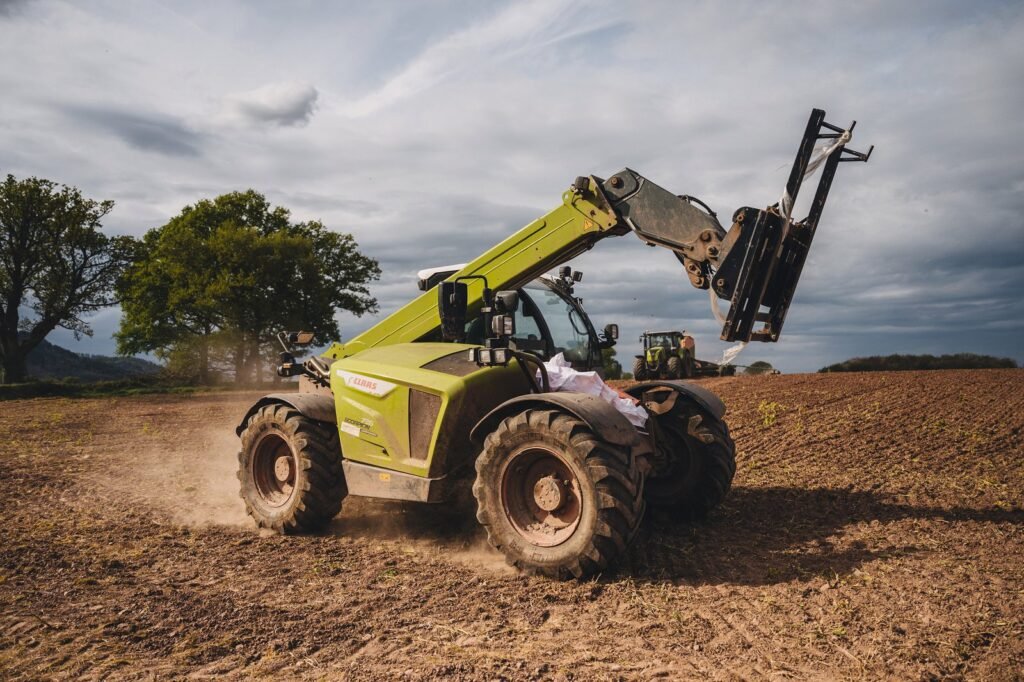
What not to do in a fertiliser shortage
- Do not wait too long to buy the tonnes the farm cannot do without. In a tight year, late buying increases the risk of delay and leaves less room to react if prices rise again.
- Do not cut every field in the same way. Some blocks can carry more risk than others. Fields with weak roots, poor structure, patchy crops, or heavy residue usually need more care, not broad cuts.
- Do not assume biology can rescue a badly stressed system on its own. Biology can support nutrient access and crop resilience. However, it works best when the main bottlenecks are understood and managed properly.
- Do not ignore pH, rooting, or soil condition. If those problems stay in place, the crop will struggle to use both soil nutrients and applied fertiliser well. In a shortage year, that makes every tonne work less efficiently.
- Do not let shortage pressure replace nutrient planning. Use RB209 as the base, keep records, and adjust with field evidence rather than panic.
Simple rule
Do not respond to a shortage by cutting blindly. Respond by protecting the essential tonnes and removing the waste first.
Measure it: turn shortage planning into proof
A fertiliser shortage plan only helps if you can prove it worked. Do not rely on memory at the end of the season. Track a few simple numbers from the start. Begin with the basics. Record what you ordered, what arrived, and when. Then note where you changed the plan and why. That gives you a clear record of how the shortage affected the farm.
Next, track field response. Compare the higher-risk fields with the more stable ones. Look at crop evenness, root depth, early vigour, and any signs that reduced supply created extra pressure. It also helps to track cost and workload. If better efficiency reduces passes, diesel, or rescue decisions, that matters just as much as fertiliser tonnes.
| What to measure | Why it matters |
|---|---|
| Tonnes secured vs tonnes planned | Shows how exposed the farm was |
| Delivery timing | Helps explain any spring pressure |
| Nitrogen and phosphate rates by field | Shows where the plan changed |
| Crop evenness | Helps show whether reduced supply increased risk |
| Root depth and root quality | Shows whether the crop could use nutrients well |
| Early crop vigour | Helps spot weak areas fast |
| Passes per hectare | Shows whether shortage pressure increased field work |
| Diesel per hectare | Helps measure the cost of extra correction |
| Final yield and quality where relevant | Shows whether the plan protected output |
Simple rule
If you track the changes, you can improve the plan next season. If you do not track them, the fertiliser shortage 2026 becomes guesswork.
FAQs about fertiliser shortage 2026
Is fertiliser shortage 2026 a real risk for UK farms?
Yes. Recent market reporting and industry warnings have pointed to tighter supply, delivery pressure, and the risk of leaving spring orders too late. That does not guarantee every farm will face the same problem. However, it is serious enough to justify earlier planning.
Should I panic-buy all my fertiliser now?
Of course no. Panic is rarely a good plan. The safer move is to secure the core tonnes the farm cannot do without, then reduce exposure by fixing waste and prioritising the highest-risk fields first.
What should I lock in first?
Start with the products and timings that protect the main crop plan. Core nitrogen, key phosphorus products, and any fertiliser needed for timing-sensitive work should come first.
Should every field be treated the same in a shortage year?
No. Some fields carry more risk than others. Fields with weak roots, poor structure, patchy crops, or heavy residue usually need more protection than the more even blocks.
Can biology replace fertiliser in a shortage year?
Not fully. Biology is best used to reduce waste and improve efficiency. It can help nutrient access, residue cycling, and crop resilience. However, it works best inside a sound nutrient plan, not as a stand-alone rescue.
How can I reduce fertiliser risk without cutting blindly?
Start with diagnosis. Check nitrogen efficiency, phosphorus access, rooting, residue pressure, and crop evenness. Then remove the biggest leaks before making broad rate cuts.
Why does phosphorus matter in a fertiliser shortage?
Because a field may contain phosphorus, yet the crop may still struggle to access it. In a shortage year, poor phosphorus availability matters more because it increases the need for bought-in product.
Why does residue management matter in a fertiliser shortage?
Heavy residue can tie up early nitrogen, slow drilling, and increase extra passes. That raises both fertiliser pressure and operating cost at the same time.
Should I still use RB209 in a shortage year?
Yes. A shortage year does not replace good nutrient planning. RB209 should still act as the baseline, with any changes supported by field evidence and clear records.
What should I measure to know whether my shortage plan worked?
Track tonnes secured, delivery timing, field rates, crop evenness, roots, vigour, passes per hectare, diesel per hectare, and final yield or quality where relevant. That gives you a clearer answer than memory alone.
What is the safest overall approach for 2026?
Secure the essential tonnes early, prioritise the fields with the least margin for error, and reduce waste before cutting rates. That is usually safer than waiting late or spreading the risk evenly across the whole farm.
Conclusion: fertiliser shortage 2026 needs a practical response
Fertiliser shortage 2026 is not only a buying problem. It is also a planning problem. The farms that cope best will usually be the ones that secure the essential tonnes early, then reduce waste before spring pressure builds.
That is why the best response is not panic. It is prioritisation. Lock in the fertiliser the crop plan depends on first. Then look hard at the places where nutrients, time, and diesel are already being lost.
In the end, the goal is simple:
- protect crop timing,
- protect margin,
- and reduce dependence on every bought-in tonne where the system allows it.
That is the real message of this guide. Do not cut blindly. Plan early, fix the biggest leaks, and build a shortage response the farm can defend.
Related guides
If fertiliser shortage 2026 is forcing you to rethink the whole system, it helps to read our guide on reduce farm input costs, which pulls the main margin leaks into one place. For the wider market context, our posts on UK fertiliser prices and fertiliser price spike 2026 explain why input pressure is unlikely to disappear quickly. Then, for the practical fixes, go deeper into reduce nitrogen fertiliser use, phosphorus lock-up in soil, straw tying up nitrogen, and soil inoculants for faster straw breakdown. Those posts matter because shortage pressure always hurts more when nutrients are already being wasted.
It also helps to read patchy emergence in crops and soil compaction in fields. In a shortage year, weak roots and uneven crops make every tonne work less efficiently. That is why shortage planning and crop establishment need to be looked at together, not as separate problems.
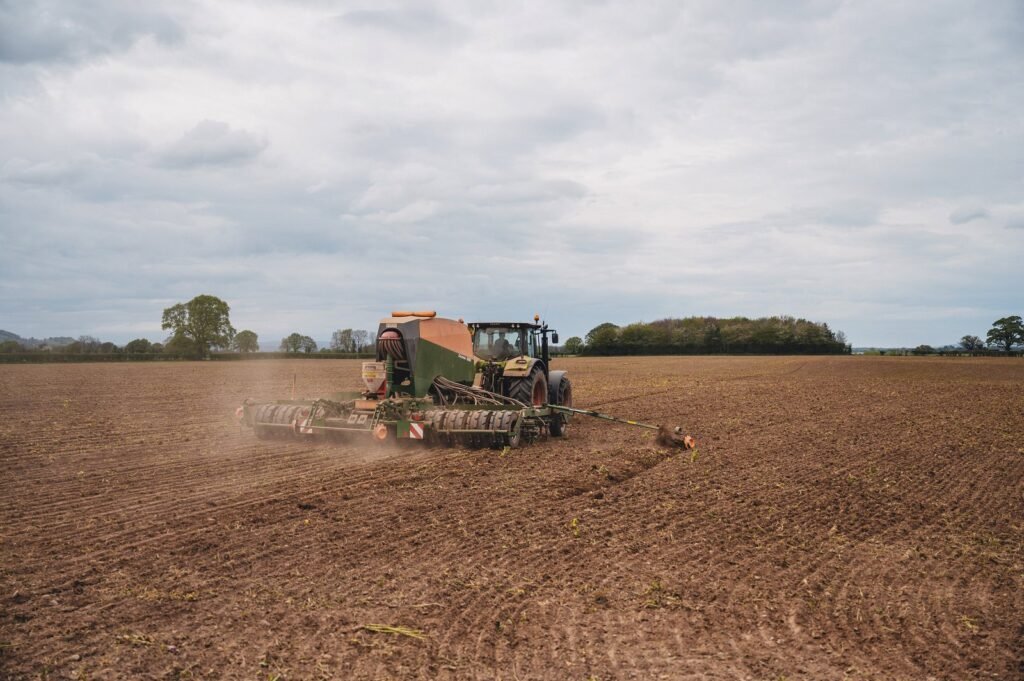
The products behind this shortage plan
This shortage plan works best when each product matches a real bottleneck on farm.
- BactoRol Nitrogen fits where the main issue is nitrogen efficiency. In practical terms, it belongs where the farm needs to make nitrogen work harder, not simply buy more.
- BactoFos fits where soil phosphorus is present, but crop access is weak. That makes it useful where poor P availability increases dependence on bought-in fertiliser.
- BactoRol Plus fits where heavy residue is adding early nitrogen drag, slowing seedbeds, and increasing extra passes before drilling.
- BactoSoil Balance fits where the wider issue is weak soil biology, poor aggregation, or uneven nutrient cycling across the field.
- BactoStym fits where cold or dry stress makes crop performance less reliable and turns fertiliser spend into a weaker return.
Together, the message stays simple: first find the main leak, then match the biology to the pressure point. That is a much better shortage strategy than treating every field the same.
Practical programmes (field-ready, crop by crop)
Wheat/Barley
- At drilling: Seed Vital (seed treatment) for fast, even emergence.
- Residues: BactoRol Plus (pre-drill or early) to speed straw breakdown and avoid extra N for immobilisation.
- Tillering: BactoSoil Balance to strengthen soil biology and aggregation.
- GS 30–32: BactoStym to lift NUE/PUE and buffer stress.
- P strategy (Index ≥2): Add BactoFos + Rhizo Forte (Glomus) and trial a P trim on tramlines.
- N strategy: Use BactoRol Nitrogen (Azotobacter + B. subtilis) and trial –10 to –30 kg N/ha (keep controls and measure).
OSR/Maize
- Seed Vital → BactoSoil Balance early → BactoStym at stress windows.
- Where P Index ≥2, pair BactoFos + Rhizo Forte to moderate starter P.
Beans/Peas (legumes)
- FabaStym at sowing. On well-nodulated crops, you usually avoid top-dressed N beyond any small starter.
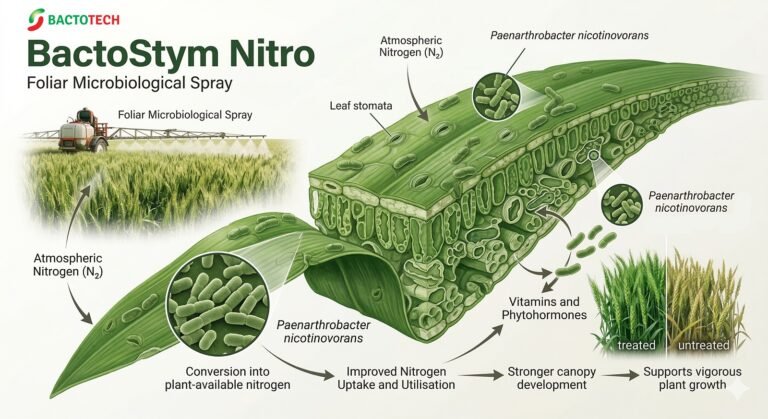
Note: Our Paenarthrobacter nicotinovorans foliar is designed as an addition alongside fertiliser, not a direct replacement.
Planning for fertiliser shortage 2026?
Start with the fields that carry the least margin for error. We can help you work out which tonnes need securing first, where the farm is most exposed, and where biology may help reduce dependence without cutting blindly.
Editorial note
This guide gives general information only. Always follow product labels, safety data, and farm-specific agronomic advice. Fertiliser availability, prices, and crop response can all change with season, soil type, weather, and field condition. RB209 should still underpin nutrient planning, and any shortage response should be based on field evidence rather than panic. Recent market and industry reporting supports the need for earlier planning and tighter prioritisation in 2026, while RB209 remains the baseline for defensible nutrient decisions.